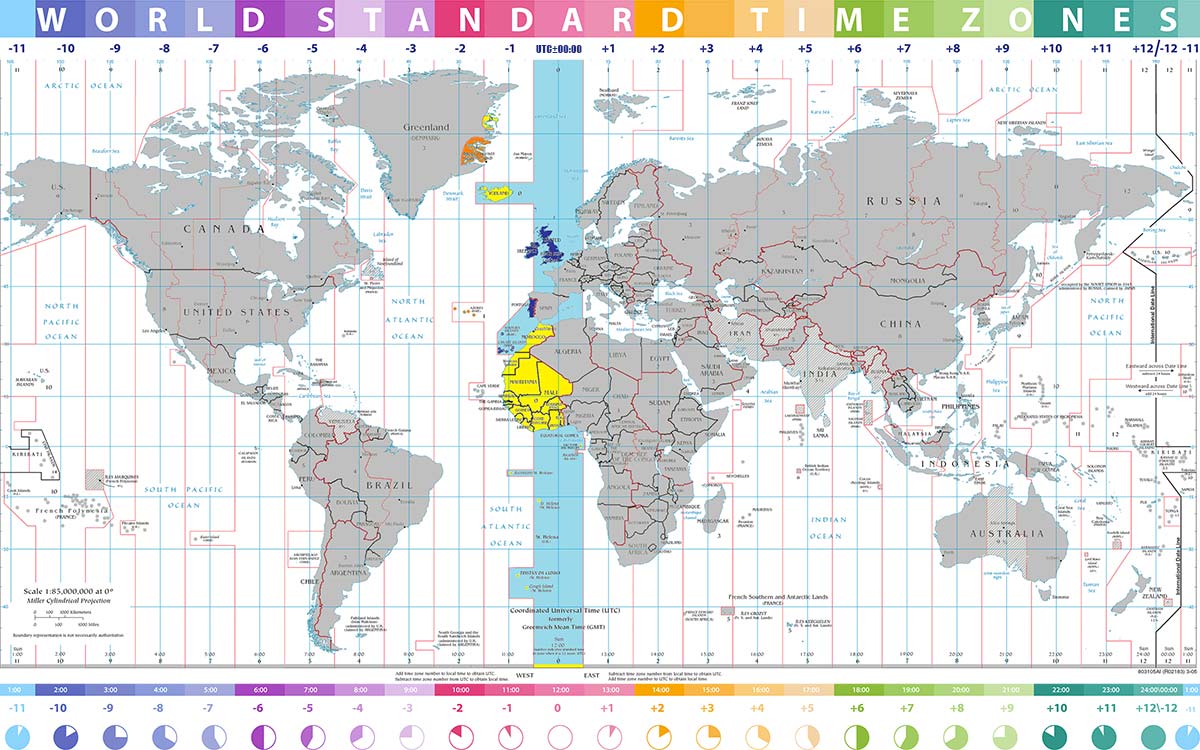
Here’s the surprisingly boring explanation. Both England and Tenerife use Greenwich Mean Time (GMT) during the winter. That’s the same prime meridian that runs through the Royal Observatory in Greenwich, London.
But wait, you say—Tenerife is way south of England! Doesn’t geography matter? Well, time zones are political and economic decisions, not strict lines on a map. Tenerife has chosen to march in lockstep with the UK for most of the year.
It’s like having a friend who lives on a different floor but still shows up for dinner at the same time. Convenient, right?
The Summer Time Shenanigans
Now, here’s where it gets a tiny bit spicy. Both England and Tenerife observe Daylight Saving Time (DST), but they don’t do it perfectly in sync. England springs forward on the last Sunday of March, while Tenerife does the same… but they’re on Central European Summer Time (CEST), which is GMT+1.
So, for a glorious week or two in late March, there is a one-hour difference. But then the UK catches up, and you’re back to clock harmony. It’s like a brief, awkward silence at a party before everyone starts talking again.
During the entire summer, you’re back to the same time. So if you’re booking a sunset boat trip in July, you can plan it exactly as you would in Southampton—just with much better weather and fewer seagulls stealing your chips.
 A brief history of time(zones) or why do we keep changing the clocks

