Remember the 1995 film Jefferson in Paris with Thandie Newton? She played a mixed-race character connected to the French court. Charlotte’s story feels like a real-world cousin to that—a hidden thread in the tapestry of European royalty.
Even the Beyoncé of it all applies. In her "Black is King" visual album, she redefines royalty. Charlotte’s possible African heritage resonates with that same energy: you don’t need a crown to be regal, but if you have one, wear it boldly.
Pop culture often outpaces historians. Just look at how Hamilton made Alexander Hamilton a household name with a diverse cast. Charlotte’s story is our version of that—a historical might-have-been that feels essential now.
Fun Little Facts for Your Next Dinner Party
Charlotte had 15 children, 13 of whom survived infancy. That’s a lot of royal diapers. She also introduced the Christmas tree to England—a German tradition we all love today.
Her husband, King George III, went mad (porphyria, likely). But Charlotte was a calm anchor in the storm of his episodes. She even helped fund the Royal Maternity Charity for poor women.
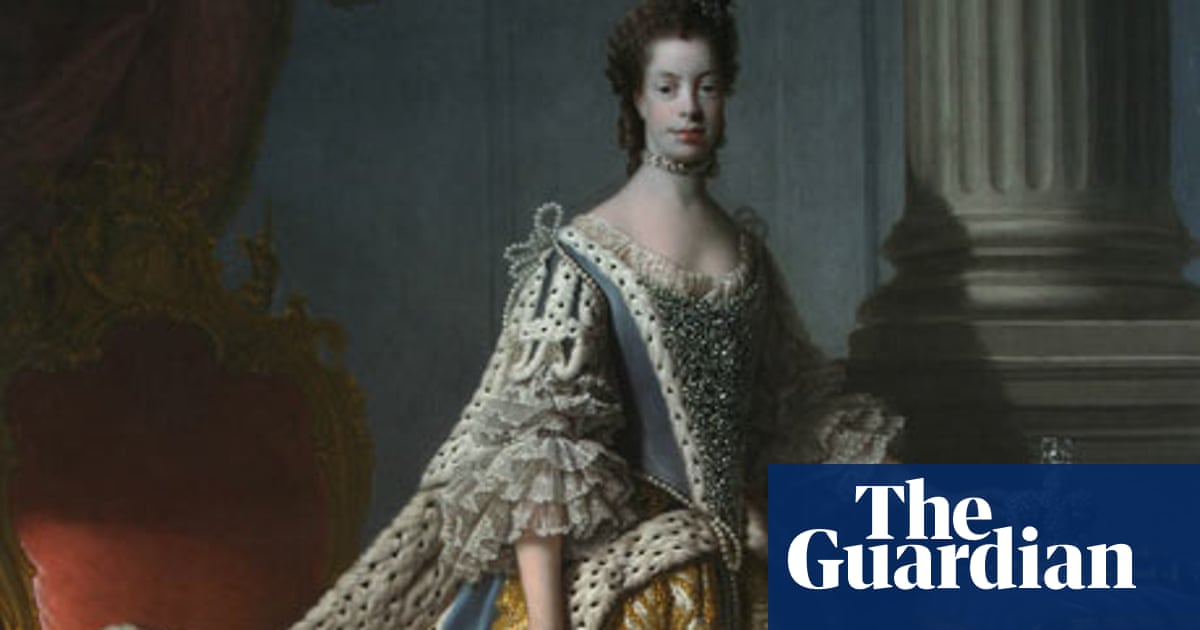 Was this Britain's first black queen? | Race | The Guardian
And here’s a juicy detail: she was described as "not handsome" by her own mother-in-law. Ouch. But that didn’t stop her from being a fashion icon, popularizing huge hair and intricate jewelry.