The single biggest factor isn’t age—it’s decision-making under pressure. Ask yourself: if a stranger knocks on the door, will they remember not to open it? If they cut their finger, will they grab a bandage instead of a paper towel and scream? If the power goes out, will they know where the flashlights are?
Do a “dry run.” Pretend to leave, hide in the garage, and watch how they handle a fake crisis. (Creepy? Yes. Effective? Absolutely.) If they start making themselves a snack without stress, you’re probably fine. If they start crying because they can’t find the remote, maybe wait another year.
The Ironic Twist: You’re the One Not Ready
Here’s the part nobody tells you: you are often less ready than they are. You’ll be the one checking your phone every ten seconds, hyperventilating about carbon monoxide poisoning, and giving them a list of rules that sounds like a military briefing. That’s normal—parental paranoia is a feature, not a bug.
But remember Leo, the nine-year-old from the story? He’s eleven now and stays home for a full afternoon while his mom works. He still calls me if he smells something burning, but he knows how to use the microwave without a meltdown. He grew into it. Most kids do.
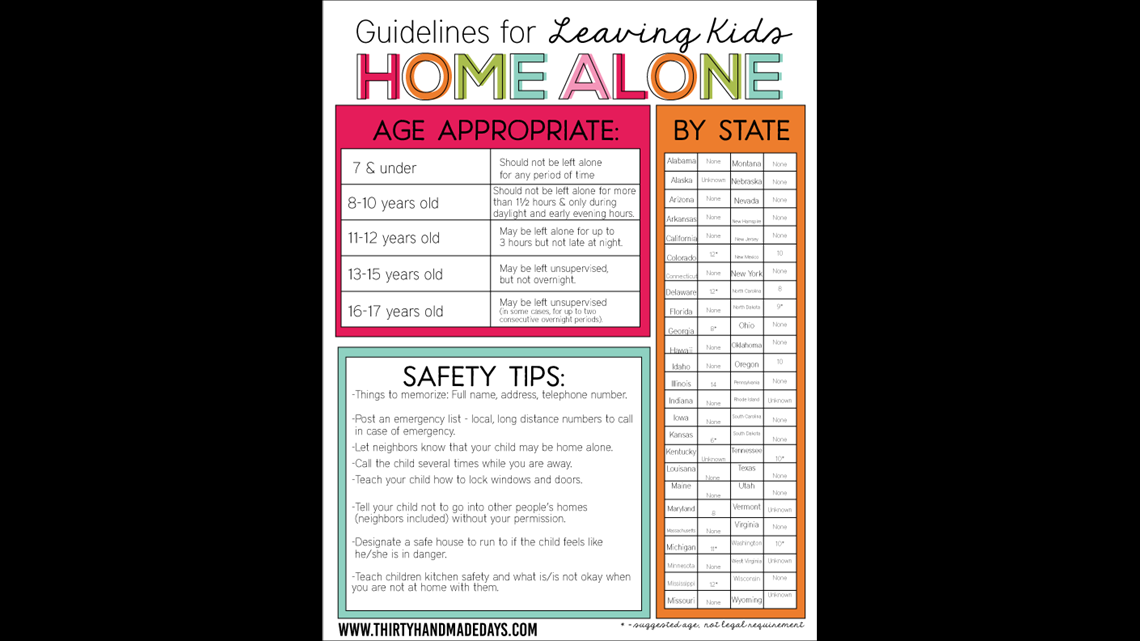 Chart helps parents figure out when to leave kids home alone | fox61.com

