
You don’t need a telescope or a degree in astrophysics. Just grab your phone and check a space weather app, like “My Aurora Forecast” or the NOAA website. They’ll tell you the probability in plain English—no rocket science required.
Here’s a pro tip: the aurora often peaks around midnight, but it can pop up anytime from dusk to dawn. It’s like a firework show with no scheduled start time. Patience is your best friend.
And if you miss it tonight? That’s okay. The sun has a roughly 11-year cycle of activity, and we’re currently heading toward a solar maximum around 2026–2026. Translated: more auroras, more often, and lower latitudes. Tonight is just a preview.
Why It’s So Cool (Besides the Obvious)
Think about this: those lights are carrying a message from the sun. A literal piece of our star, traveling 93 million miles, slams into our atmosphere, and we get a light show. It’s humbling. It’s like the universe saying, “Hey, you’re part of something huge.”
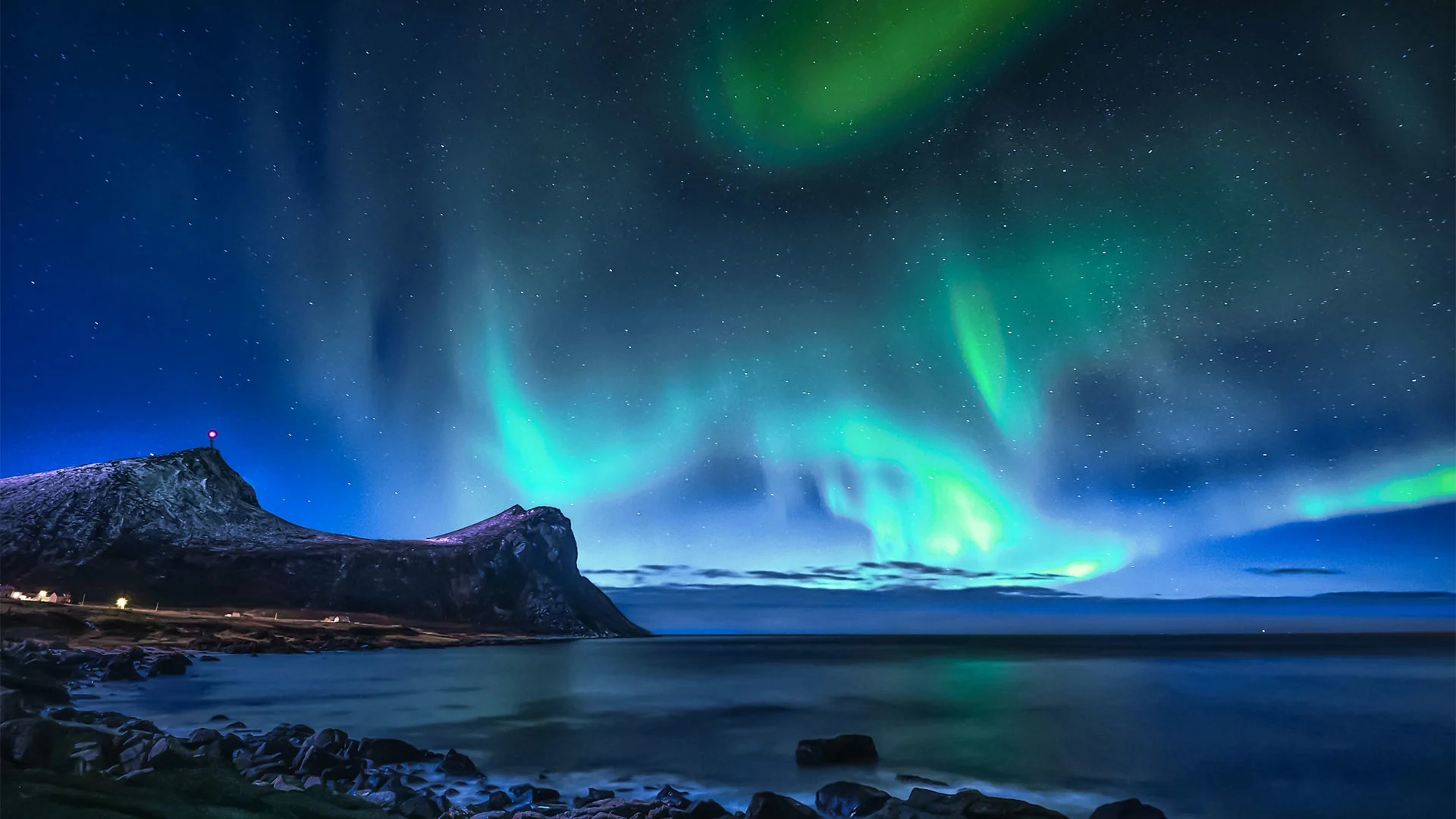 Aurora borealis watch: How to see northern lights in 12 states tonight
Plus, it’s a total hack for making boring winter nights magical. You don’t need a festival, a ticket, or a celebrity sighting. Just look up, and nature delivers a free IMAX show that’s been running for billions of years.

