
Tip one: Use the “Reduced View” filter. Most virtual plans have a toggle for “partial obstruction.” Always check it. If your seat is marked as “restricted side view,” don’t buy it unless you’re okay with watching the drummer’s back for two hours.
Tip two: Check the stage orientation. Artists don’t always face directly forward. Some use a 360-degree stage (like Beyoncé’s Renaissance tour). Others play at one end (like Taylor Swift’s Eras Tour). The virtual plan will usually show the stage location as a glowing rectangle. Never buy a seat without aligning yourself to the stage first.
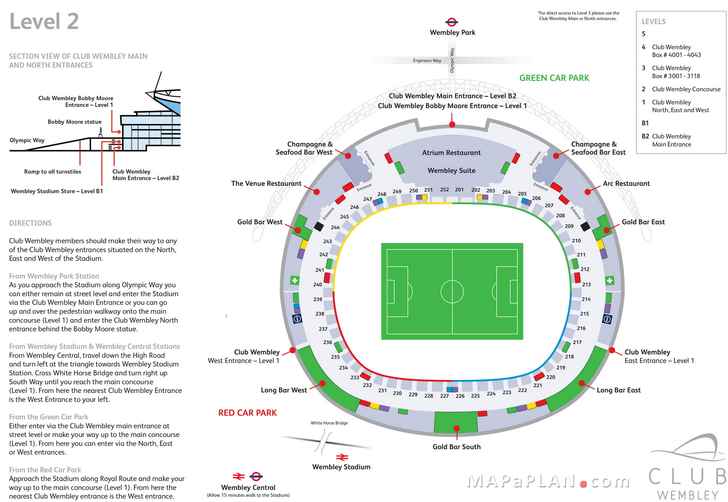 Wembley Stadium Interactive
Tip three: Don’t ignore the screens. Wembley has massive video screens, but not all seats can see them equally. If you’re in the upper level (Level 5), the screens are your best friend. Check the virtual view to ensure you’re at an angle, not looking at the screen edge-on.
Why This Matters for Your Daily Life
We live in a world obsessed with clarity and control. Whether you’re ordering groceries online or choosing a vacation rental, you want to see exactly what you’re getting. The Wembley virtual seating plan is a small but perfect metaphor for this: it lets you preview your experience before you invest.
Think of it like choosing your seat on a long-haul flight. You wouldn’t sit in a middle seat near the restroom if you could pick an aisle seat with extra legroom. So why do the same for a concert you’ve been dreaming about for months? You don’t have to guess anymore.
Final reflection: The best part about using these virtual tools? It can actually make the event feel more real. When you finally walk into the stadium and see the pitch or stage from your chosen seat, it feels like you’ve already been there. The anxiety is gone. You’re just there to enjoy the show.
And that’s the whole point, isn't it? To trade stress for a little bit of certainty. So next time you’re clicking through a seat selection page, take five extra minutes. Zoom in. Read a fan review. Look at the view from that specific seat number. Your future self—the one singing along in the crowd—will thank you.

