
Now, let’s talk about the star of the show: the Jack-o'-Lantern. You might think it’s a cute pumpkin with a face. But the original British version was a turnip. Yes, a turnip. Imagine carving a face into a lumpy, rock-hard root vegetable. Pure nightmare fuel.
The tradition comes from an Irish folktale about a man named Stingy Jack, who tricked the devil and was doomed to wander the earth with only a hollowed-out turnip holding a coal to light his way. So, basically, history’s first influencer with a bad lamp.
When Irish immigrants brought this story to the UK and the US, they discovered pumpkins were way easier to carve than turnips. Thank heavens. Now our front steps look like a veggie graveyard, but at least your wrists don’t cramp up.
Mumming and Souling: The First Trick-or-Treaters
Before kids in skeleton onesies demanded Haribo, there was a medieval practice called “souling.” The poor would go door-to-door offering to pray for the dead in exchange for “soul cakes” (basically, spiced biscuits). It’s like a spiritual version of, “I’ll do your homework for a chocolate bar.”
Then there was “mumming,” where people performed silly plays in costume, usually in exchange for food or drink. Think of it as the original open-mic night, but with more ale and fewer awkward guitar solos.
Over time, these traditions merged into what we now call “guising” in Scotland and Northern Ireland—kids dressing up and performing a trick (a joke, a song) to earn a treat. It wasn’t about threatening anyone—yet. That came later, with teenage boys and eggs.
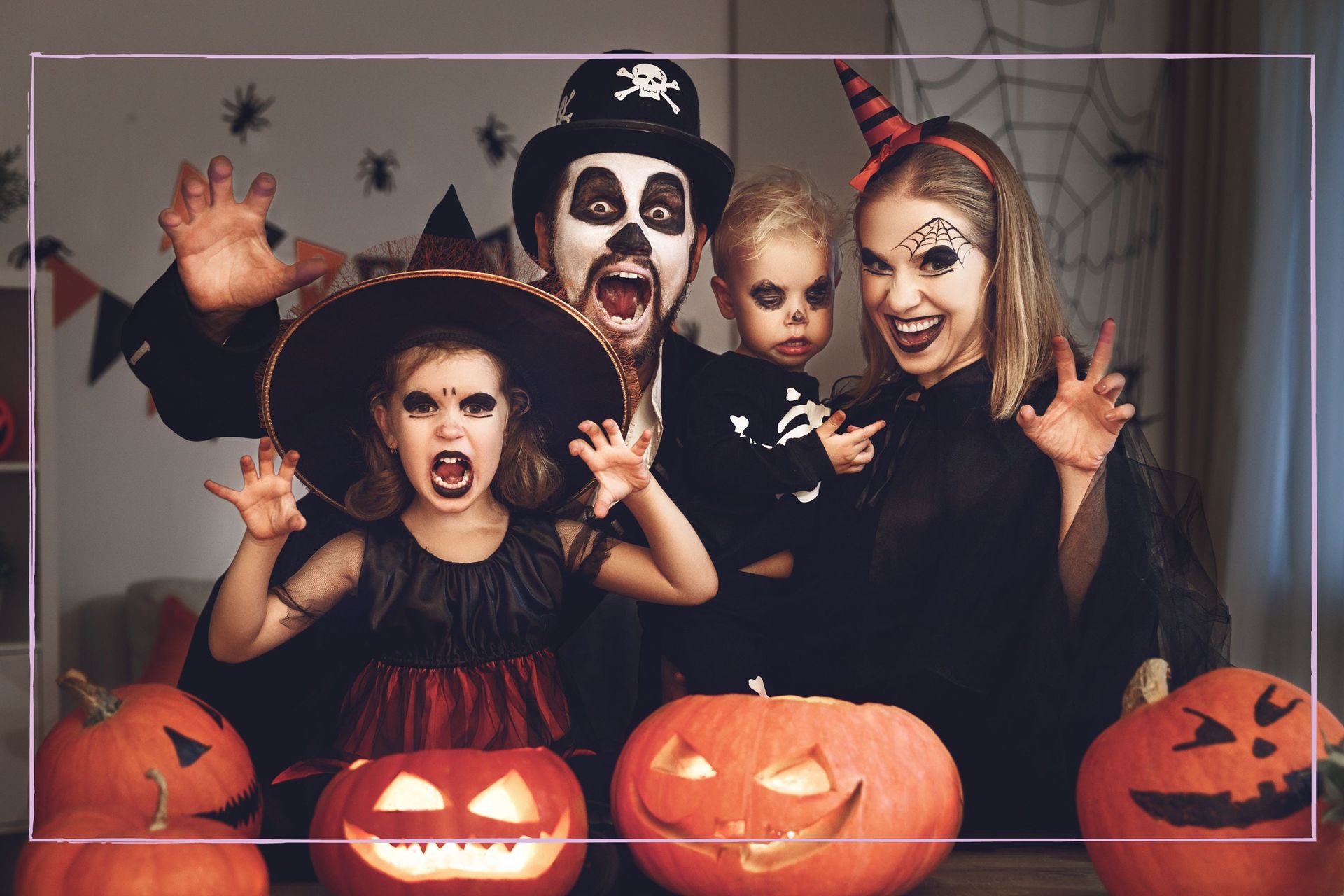 Why do we celebrate Halloween in the UK? Origins and meanings | GoodtoKnow

