First, the fundamental cheat code. The shortest day of the year—the Winter Solstice—happens on December 21, 2026. After that, days technically get longer. But do the nights get lighter immediately? Nope.
It’s a trick of the light (literally). The sunrise keeps getting later for a few weeks, even as the sunset edges later. It’s like the sun is playing a slow, painful game of “not yet.”
You won’t notice a difference in the evening until mid-to-late January 2026. That’s when the sunset starts visibly sliding past 5:00 PM for most of the Northern Hemisphere. (If you’re in the Southern Hemisphere, you’re enjoying summer solstice right now—stop gloating.)
When “Lighter Nights” Actually Become a Thing
Let’s get specific. In the US and UK, the first real sign happens around January 17th to 20th, 2026. That’s when you’ll leave work and realize—hey, it’s not pitch black. It’s just dingy.
But the breakthrough moment? That’s when clocks spring forward. Daylight Saving Time kicks in on Sunday, March 8, 2026 (US) and March 29, 2026 (Europe). That’s the magic switch that suddenly throws a 7:00 PM sunset into your life.
By late March 2026, you’ll be sitting on your porch at 7:30 PM without a jacket. Your winter coat will look at you with betrayal. You won’t care.
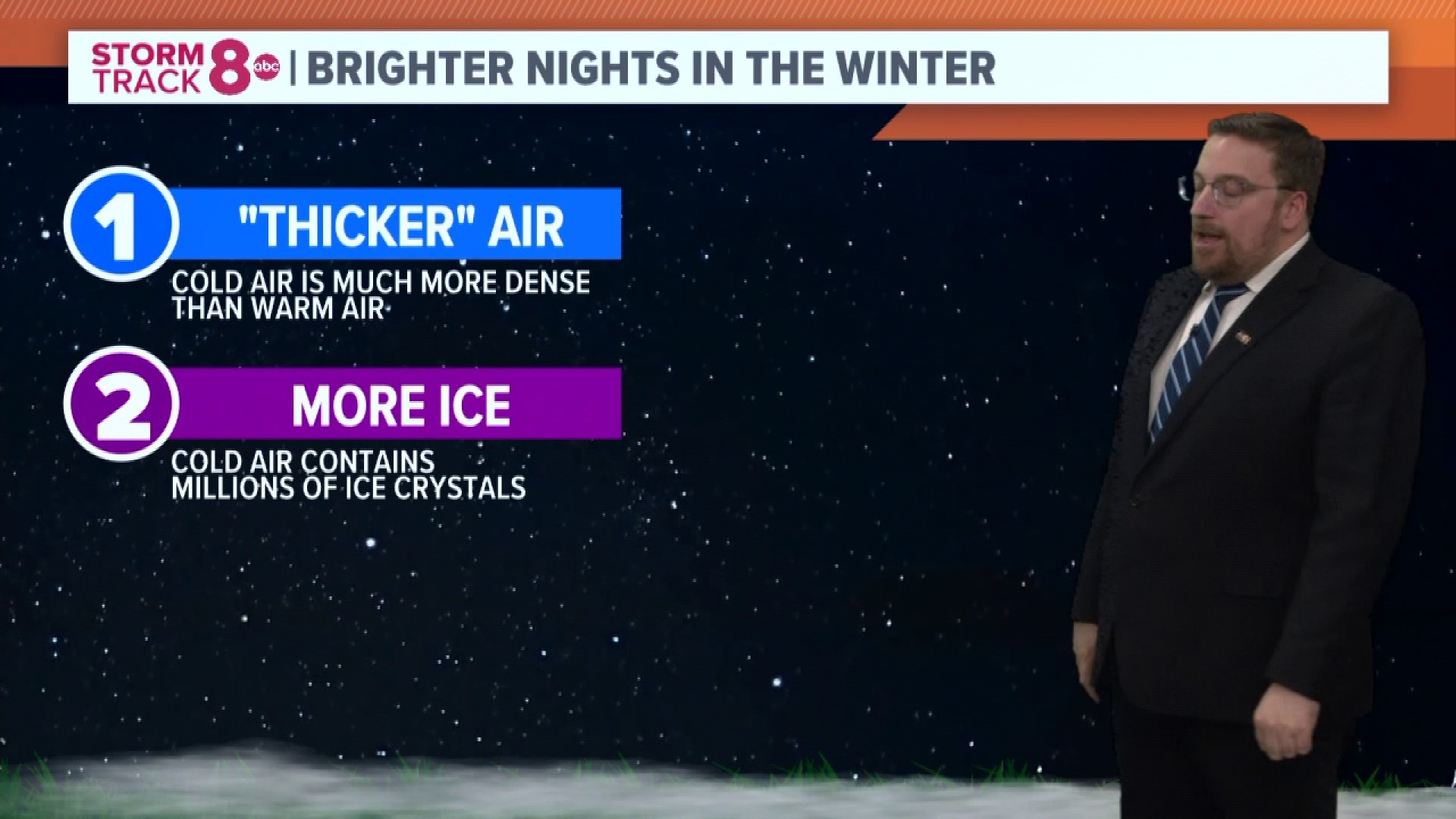 Yes, winter nights are usually brighter | wqad.com