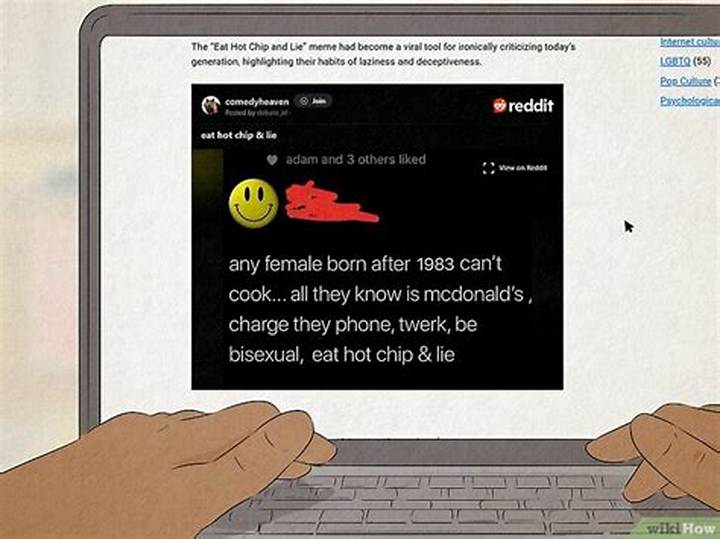
Spicy snacks can look harmless because they’re “just food,” but they can still create real problems—especially when people ignore their own limits to satisfy a challenge. Chili heat doesn’t just sting; it can trigger intense coughing, stomach pain, or reflux in some people.
For many participants, the biggest risk is not the chip itself. It’s what comes next: eating too fast, pushing through symptoms, or repeating the dare without letting the body recover. Heat can also lead to poor decisions, like drinking the wrong liquids (for some people) or refusing to stop even when they’re clearly uncomfortable.
Common safety considerations before you play
Before anyone eats spicy chips for a video, it helps to treat it like any other food challenge: start small, know your limits, and don’t force participation. If you’re with friends, make sure the person has a safe way to opt out.
- Consider medical factors: People with reflux, ulcers, or certain digestive issues may be more likely to get significant discomfort.
- Watch for asthma triggers: Strong spicy fumes or coughing can worsen symptoms for some people.
- Avoid sharing if there are allergies: Spicy blends can include ingredients that matter for allergens.
- Don’t escalate: A challenge should not require “more and more” to be funny.
It’s also worth remembering that “hot chip” can vary widely in intensity. One brand might be manageable; another could be brutally spicy. That inconsistency is part of why a one-size-fits-all challenge can backfire.

