That layer of browned goodness is your free flavor ticket. After you finish browning all the beef, you’re supposed to “deglaze” the pot. That means pour in some broth, wine, or even water, and scrape up those bits with a wooden spoon.
It dissolves into a rich, savory liquid that’s better than any store-bought stock. This is where stew gets its soul. Without it, you’re just having beef-flavored soup. Sad.
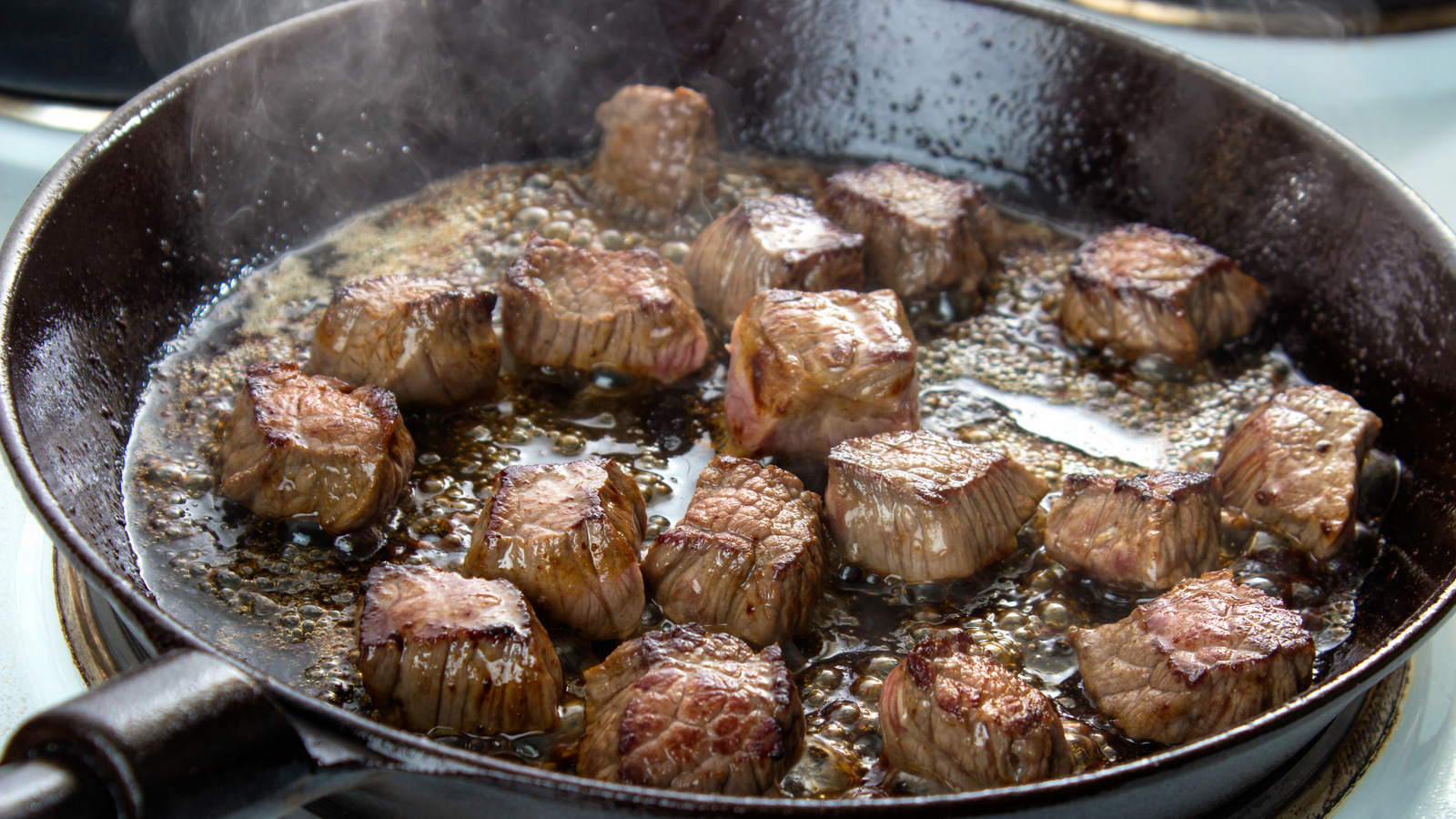 The Easiest Way To Brown Stew Meat Is Roasting It In The Oven
Now, you can add your veggies and the browned beef back in. See how the crust holds up? That crust will slowly break down during the long simmer, thickening your stew and making it taste like you slaved all day.
A few pro tips you didn’t ask for, but I’m giving you anyway.
Use chuck roast for stew. It’s tough and full of connective tissue, which breaks down into gelatin during cooking. That makes the broth velvety. Don’t bother with sirloin or tenderloin. Those dry out and get mealy. Waste of money.
Cut the beef into uniform chunks—about 1.5 inches. Too small, and they dry out. Too big, and they take forever to cook. Goldilocks sizing.
And for the love of all things stewy, taste your fond. Before you add liquid, scrape up a little browned bit and eat it. Just a tiny one. It should taste deeply beefy, not burned. If it’s bitter, you cooked too hot. Start over. No judgment.
Finally, don’t rush the browning. It takes patience. You’re building layers of flavor, one sizzle at a time. It’s the difference between a stew that’s “fine” and one that makes your friends ask for the recipe.
So next time you’re staring at a pile of raw beef, remember: brown it. Give it that crust. Let it sing. Your taste buds—and your future self—will throw you a little party. Probably in the form of a second bowl.