Where Does Ham Come From
Let’s be honest for a second. Most of us don’t think much about where our food really comes from. We just grab a package of ham from the deli counter or the grocery store frid...
Let’s be honest for a second. Most of us don’t think much about where our food really comes from. We just grab a package of ham from the deli counter or the grocery store fridge, slap it on a sandwich, and go about our day. But have you ever actually stopped to wonder, “Where does this pink, salty, delicious meat actually come from?” It’s a fair question, and the answer is both simpler and more interesting than you might think.
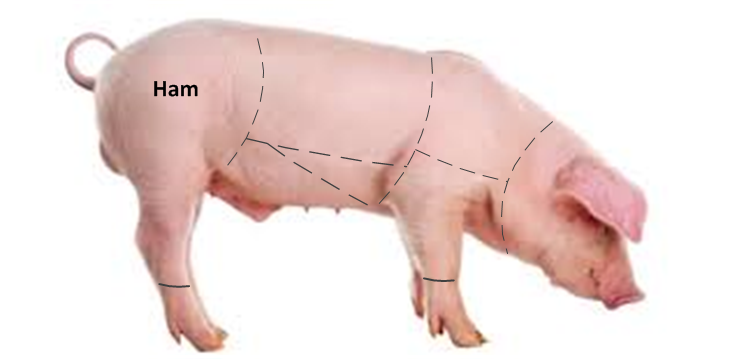
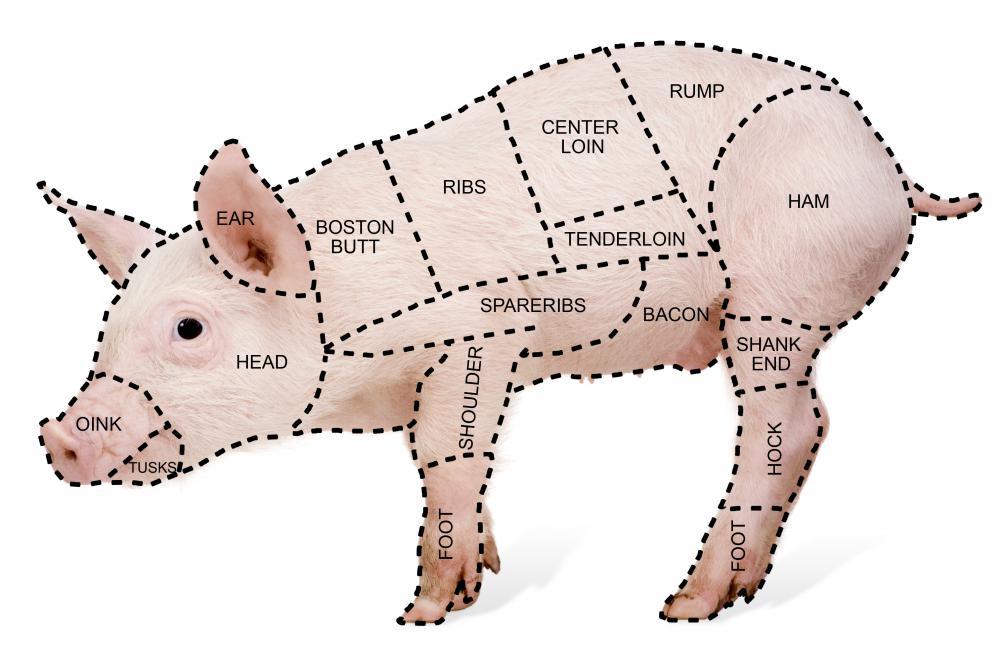
The short answer is that ham comes from the back leg of a pig. It’s not just any cut of pork. Think of the pig’s hind leg as the equivalent of a human athlete’s thigh. That muscle does a lot of walking and running, which makes it lean but also incredibly flavorful. When you eat ham, you are essentially enjoying a cured and often smoked version of that powerful, hard-working muscle.
Now, here's the fun part: not everything labeled “ham” is created equal. Have you noticed how some ham slices are perfectly round and uniform? That’s often what’s called “formed ham.” It’s made from pieces of meat that are ground up, pressed together, and then cooked in a mold. It’s convenient and it tastes fine, but it’s a far cry from the real deal.
On the other hand, you have a whole muscle ham, which is exactly what it sounds like. It’s one solid piece of meat from that pig’s leg. If you ever go to a holiday dinner and see a giant, bone-in ham sitting on the table, that’s the real, iconic ham. It’s rustic, it’s beautiful, and it’s a direct connection to the animal it came from.
Let’s talk about the curing process for a second, because this is where the magic happens. Fresh pork leg isn’t ham. To become ham, that meat needs to be transformed. For most hams you buy, the curing involves salt, sugar, and often nitrates or nitrites. This isn’t a scary chemical thing; it’s an ancient tradition of preserving meat so it doesn’t spoil and tastes amazing.
Think of it like pickling a cucumber to make a dill pickle. The cucumber starts as one thing, but after a soak in brine, it becomes something totally different and more complex. Ham is the same idea. The salt draws out moisture, concentrates the flavor, and creates that signature pink color and savory taste we all crave. Without curing, that leg of pork would just be a boring roast.
 Ham And Protein: A Nutritional Overview | MedShun
You have probably also heard of country ham. This is the Southern superstar of the ham world. It’s dry-cured, heavily salted, and then aged for months, sometimes even a year. Eating country ham is a different experience. It’s incredibly intense, salty, and almost nutty. You don’t eat thick slices of it like you would a deli ham; you shave it paper-thin and let it melt in your mouth.
Then there’s the world of smoked ham. After curing, many hams are hung in a smokehouse. The smoke, usually from hickory or applewood, wraps around the meat and adds a layer of warmth and complexity that’s hard to beat. That smoky aroma you love on your holiday ham? That’s the result of hours of patient, low-heat smoking. It’s part science, part art.
So, why should you care about all of this? Because understanding where your ham comes from makes breakfast taste better. Suddenly, that ham sandwich isn’t just a boring lunch; it’s a delicious piece of culinary history. It’s a connection to farmers, to butchers, and to traditions that go back centuries.
Knowing the difference also helps you make smarter choices at the store. Next time you’re staring at a wall of ham packages, you can look for terms like “natural juices” or “water added.” You can decide if you want a pressed, uniform slice for your kid’s lunchbox, or a thick, carved slice of whole-muscle ham for a fancy weekend sandwich. You become the master of your own ham destiny.
 Unraveling the Mystery - Which Animal Does Ham Come From?
Let’s get personal for a moment. Remember that one holiday where your Aunt Susan brought a ham that was so dry it could double as a doorstop? That probably wasn’t her fault; it was the ham. A good ham, especially a bone-in one, is naturally moist because that leg muscle holds onto its juices. A cheap, heavily processed ham often has extra water pumped in, which just steams out during cooking and leaves you with a sad, salty hockey puck.
So next time you unwrap a package of ham, take a second to appreciate it. You are looking at a piece of meat that was once part of a living animal, carefully cured and prepared by skilled hands. It’s a testament to the idea that with a little salt, a little smoke, and a lot of time, a simple pig’s leg can become something truly special. Ham isn’t just meat; it’s a story. And now you know the main chapters.
The best part is that there’s a ham for every occasion. Need a quick protein for a weekday omelet? Grab a thinly sliced deli ham. Hosting a barbecue? Get a spiral-cut ham that screams “special occasion.” Want to impress someone who thinks they’ve tried everything? Find a real country ham, slice it super thin, and serve it on a warm biscuit. They will be shocked by the depth of flavor.
Ultimately, the journey of ham from farm to table is a reminder that good food doesn’t happen by accident. It’s the result of careful farming, skilled butchery, and patient curing. So the next time you bite into a salty, savory piece of ham, go ahead and smile. You now know exactly where that joy comes from, and it’s a pretty wonderful story. Enjoy every slice.

