
You’d think these plants are predators, right? Ruthless carnivores? They’re actually terrible at catching things. A single trap captures only about three to five bugs in its entire lifetime before it dies off. The plant relies on photosynthesis for 90% of its energy—the fly is just a protein supplement, like a vitamin shot for plants.
So the famous “man-eating plant” pop culture fears? Yeah, not happening. A Venus flytrap can’t even eat a spider without struggling. The biggest prey it can handle is, like, a particularly ambitious beetle. If you put your finger in there, it feels like a gentle pinch. I’ve tried it—don’t tell anyone.
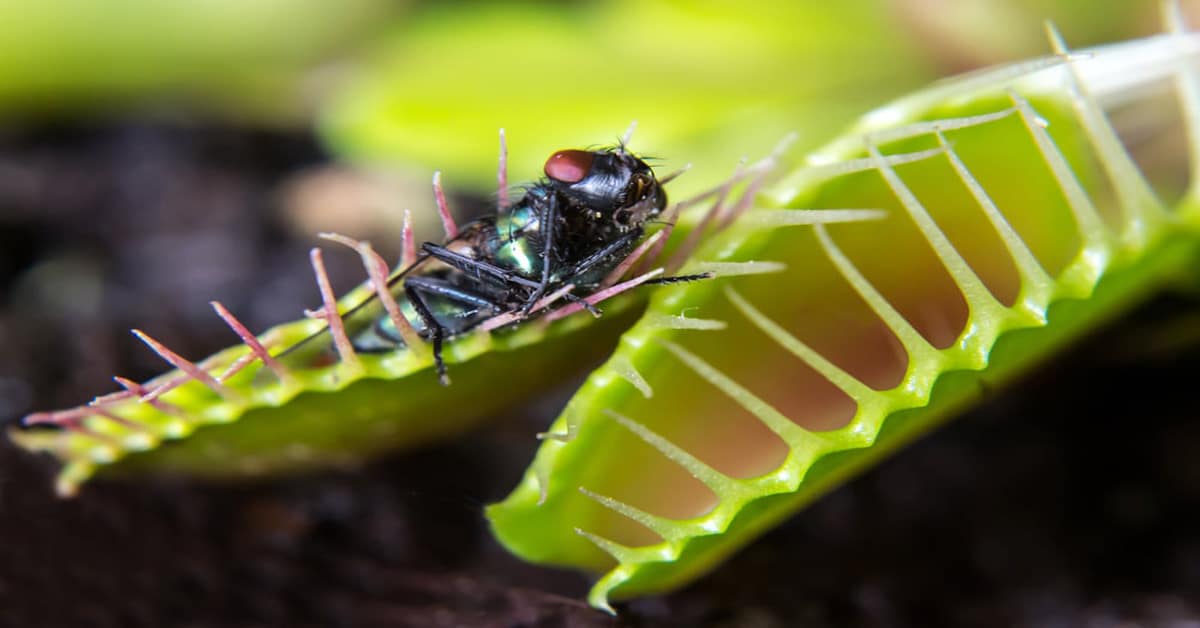 Venus Flytrap Eating A Snake
Why This Matters (Even If You’re Not a Botanist)
Here’s the weird connection: watching that flytrap eat made me think about how we all have these weird, unexpected survival strategies. The flytrap lives in a bog where other plants starve, so it evolved a clever—if slightly gross—workaround. It’s not a monster; it’s a problem-solver in a pot.
And honestly, isn’t that kind of inspiring? Instead of complaining about poor soil, the flytrap said, “I’ll just eat flies.” It’s audacious, a little passive-aggressive, and totally effective. Plus, it’s a great conversation starter at parties—until people think you’re weird for having a carnivorous plant collection.
So next time you see a fly on your window, remember: somewhere, a Venus flytrap is hoping that fly gets lost. And if it does, the trap will welcome it with open leaves, a split-second judgment, and a slow, digestive hug. It’s nature’s tiny drama, unfolding in a pot on your porch.
And hey, if you ever get a chance to feed one yourself—do it. Just don’t use your finger. Trust me on that one.

