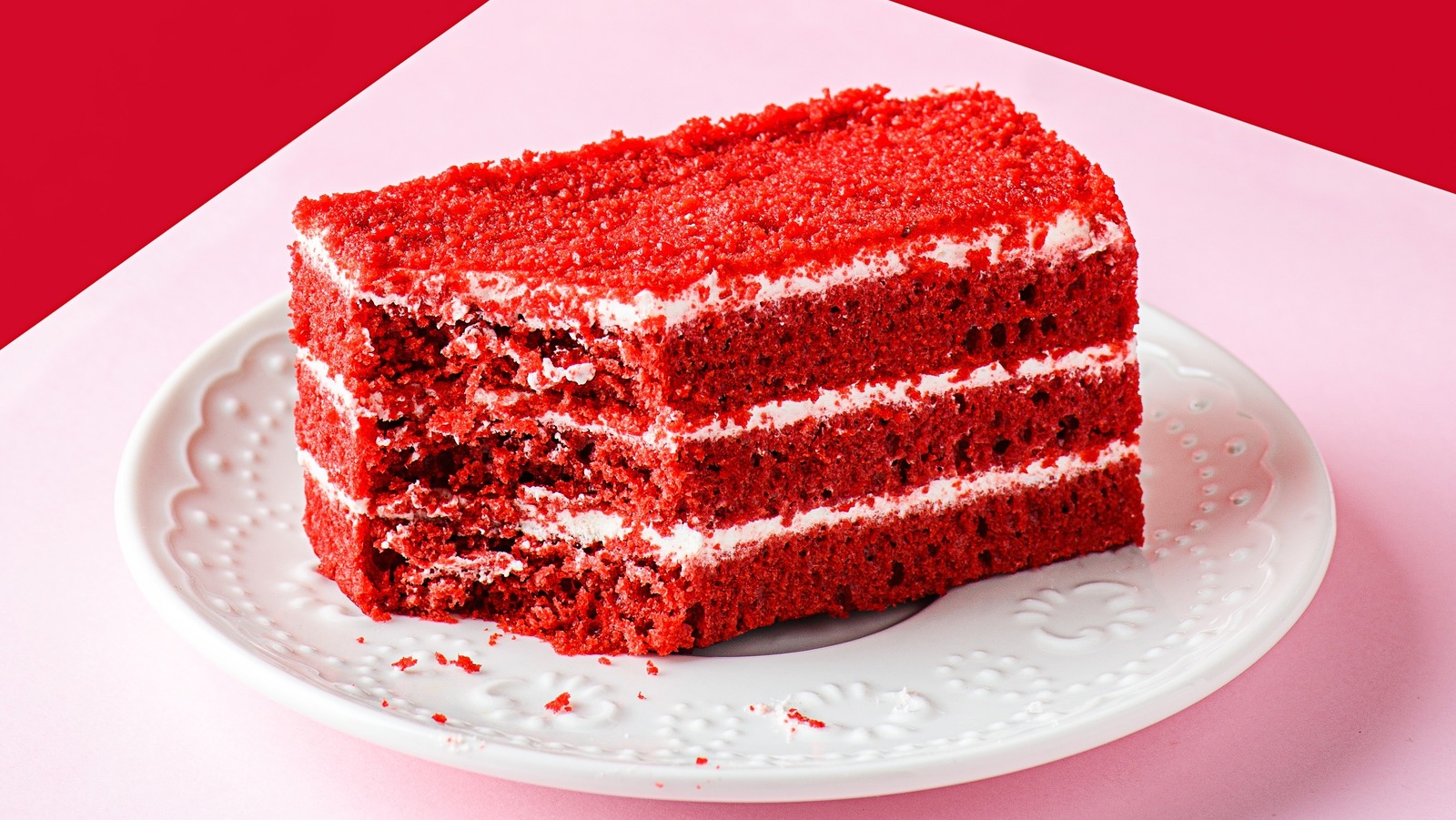
Historically, red velvet’s color came from a natural chemical reaction. Unprocessed cocoa contains anthocyanins—pH-sensitive pigments that turn reddish when mixed with acidic ingredients like buttermilk and vinegar. Before modern food dyes, bakers relied on this rusty, brick-red hue as a happy accident of chemistry.
Today, most recipes use a hefty dose of red food coloring to achieve that iconic crimson. But here’s a fun fact: many southern bakers still swear by beet powder as a natural alternative, which adds a subtle earthy sweetness. It’s a lovely nod to the cake’s rustic roots.
What It Tastes Like, Bite by Bite
Imagine the lightest, most tender vanilla cake, but with a hint of cocoa and a gentle tang from buttermilk. Now, slather that with a thick, creamy frosting made from cream cheese and butter—luxurious, slightly savory, and not too sweet. That’s the red velvet experience: tart, sweet, rich, and airy all at once.
Some people detect a faint praline or caramel note, especially in well-made versions. That comes from the buttermilk and cocoa interacting during baking, creating a complex, almost roasted flavor. It’s why red velvet pairs so beautifully with coffee—it can handle a little bitterness.
Many claim red velvet is just “mild chocolate,” but that undersells its personality. Think of it as the chameleon of cakes: it’s not chocolate, not vanilla, but a third thing entirely—a flavor that lives in the space between expectations.
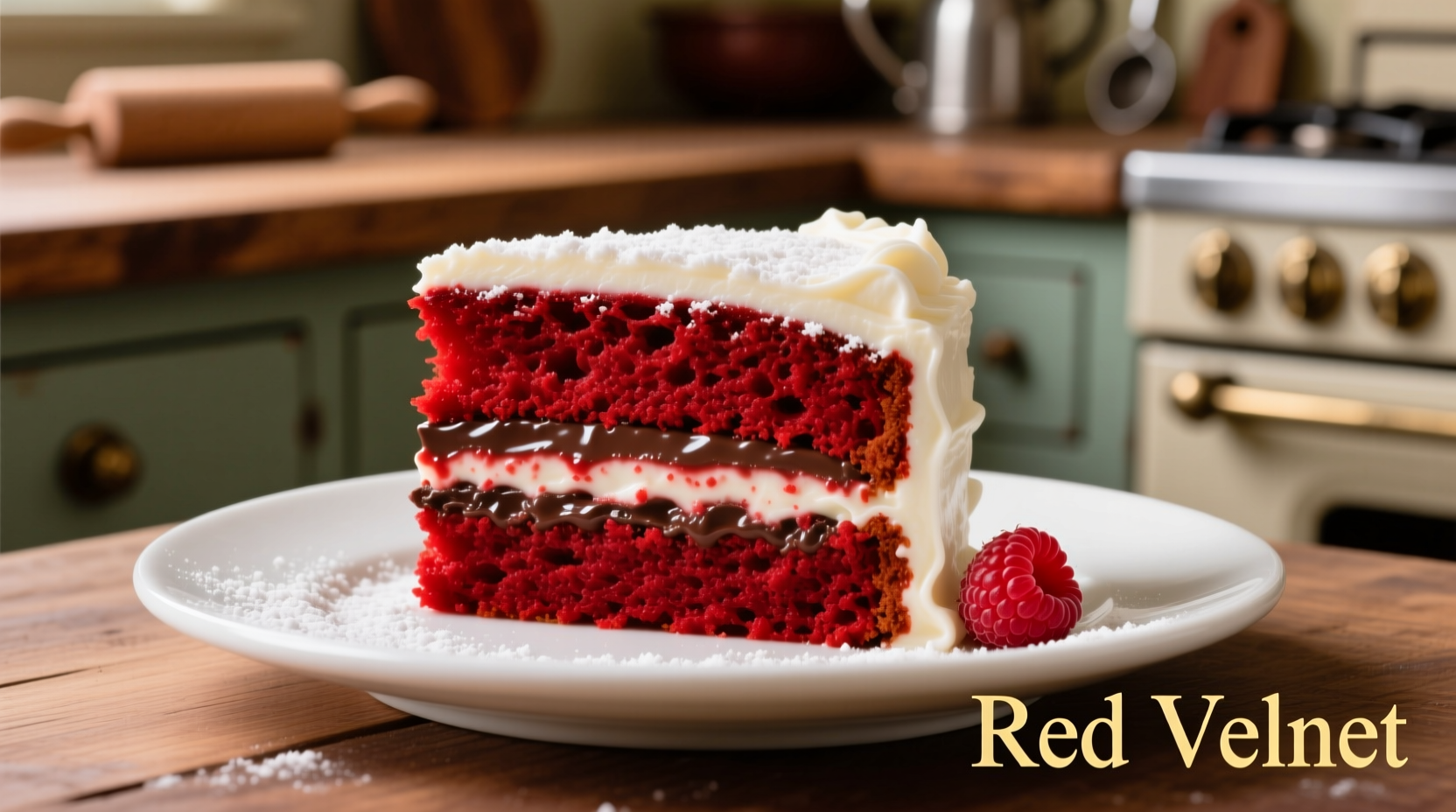 What Does Red Velvet Taste Like? Flavor Explained

