
Double Fried Chicken Recipe
There’s something almost sacred about the first crunch of double-fried chicken. It’s the sound of patience rewarded, of science meets soul food. Forget the single-dip crowd; t...
There’s something almost sacred about the first crunch of double-fried chicken. It’s the sound of patience rewarded, of science meets soul food. Forget the single-dip crowd; this technique is for those who believe a second bath in hot oil isn’t just a method—it’s a commitment to perfection.
The magic is simple, really. The first fry cooks the meat gently, while the second, higher-temp fry crisps that skin into a glass-brittle shell. You’re essentially creating a two-act drama in your skillet: the tender buildup and the explosive finale.
This isn’t some chef’s secret. In fact, it’s the backbone of Korean fried chicken, that addictive, glazed wonder that took the world by storm. They call it “twigim” style, and it’s why their chicken stays crispy for hours, even under sticky gochujang sauce.
Start with the brine. Don’t skip it. A simple mix of buttermilk, salt, and a splash of hot sauce overnight (or at least four hours) ensures the meat stays juicy through the double fry. Think of it as the chicken’s spa day before the marathon.
For the dredge, skip the flour-only routine. A blend of all-purpose flour with a quarter-cup of cornstarch gives you that paper-thin, shattering crust. Add a pinch of baking powder for extra lift, and season generously with garlic powder, white pepper, and smoked paprika.
Now, the first fry. Heat your oil—peanut or canola works best—to 325°F. Gently lower the coated chicken pieces and cook for about 6-7 minutes. They should be pale gold and barely cooked through, like a sun-touched blonde.
Pull them out and let them rest on a wire rack for at least ten minutes. This is crucial: the steam inside redistributes, while the crust sets. Grab a cold beer while you wait. It’s almost a form of meditation.
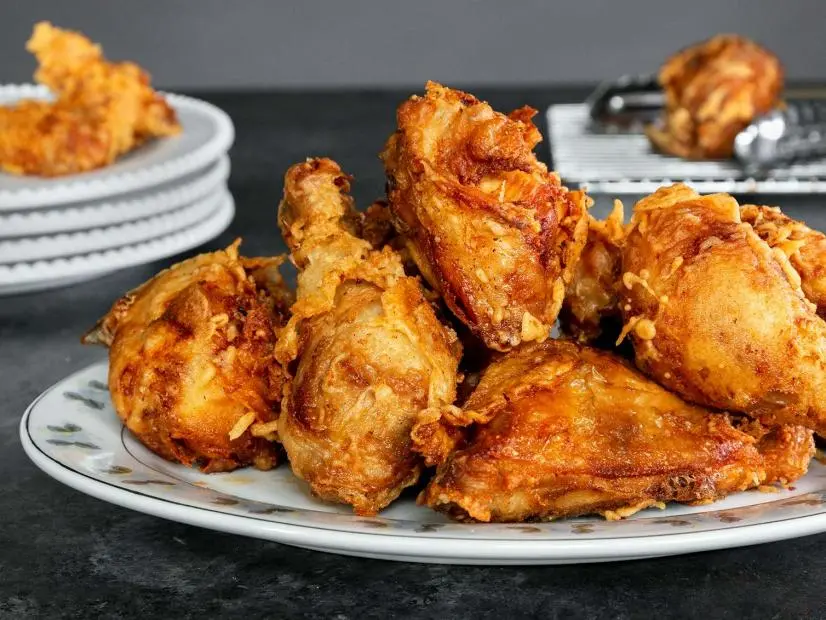 Twice-Fried Chicken Recipe | Michael Solomonov | Food Network
The second fry is where the alchemy happens. Crank the oil to 375°F. Drop the cooled chicken back in for another 3-4 minutes. Watch the sizzle turn into a roar, and the color deepen to a burnished mahogany. That’s the sound of victory.
Fun fact: the Maillard reaction—the browning that creates all that flavor—intensifies exponentially with temperature and moisture. Double-frying exploits this by removing more water from the skin on each dip, leaving pure, unadulterated crunch behind.
Season immediately. As soon as the chicken hits the rack after the second fry, toss it in a bowl with flaky salt. The hot surface grabs the crystals like magnets. A dusting of cayenne or gochugaru (Korean chili flakes) adds a gentle hum.
Want to gild the lily? Glaze it. Mix soy sauce, honey, minced garlic, and a splash of vinegar in a pan. Simmer until sticky, then toss the hot chicken in it. That sweet-savory coat over the double-crisp crust? Pure Seoul street-food energy.
Pair it with something cold and acidic—quick-pickled radishes or a cabbage slaw dressed in lime. The contrast cuts through the richness and keeps you coming back for “just one more piece.” Spoiler: you’ll lose count.
 Double Fried Crispy Chicken Wings Recipe - Recipe Flow
Cultural footnote: in the American South, double-frying is a legacy technique used by masters like Prince’s Hot Chicken in Nashville. They fry once for heat, then again for the spice paste. It’s proof that good ideas cross borders and become legends.
Here’s a practical tip you didn’t ask for: use a clip-on thermometer for your oil. Guessing temperatures leads to soggy skin or burned exterior—the cardinal sins of chicken cooking. Precision is your friend, not your enemy.
If you’re cooking for a crowd, keep the fried chicken warm in a 200°F oven on a wire rack set over a baking sheet. The airflow prevents steam from softening that hard-won crust. Your guests will think you hired a private chef.
A final piece of advice: don’t double-fry more than six pieces at a time. Crowding the pot drops the oil temperature too fast, turning your second-fry into a sad simmer. Work in batches, like a Zen master at a frying station.
Reflection. Life, like double-fried chicken, rarely gets better on the first try. The second pass—a rethink, a reheat, a second chance—is where the real character forms. That extra effort, that willingness to wait and try again, transforms the ordinary into the unforgettable. So next time you’re feeling impatient, remember the chicken. It’s worth the double dip.

