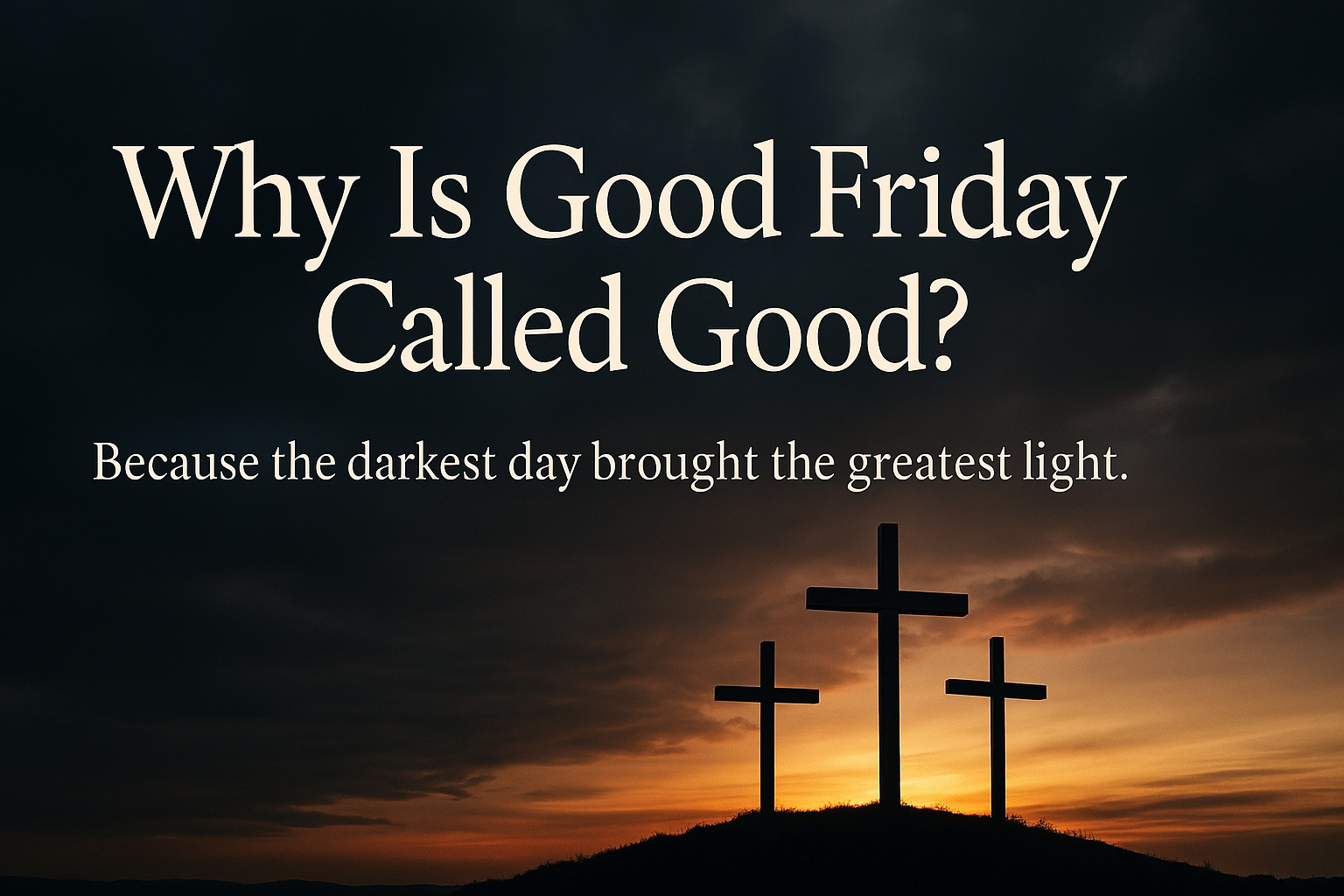
For me, learning this didn’t make the day “fun.” It made it important. I’ve had my own “Good Fridays”—days of quiet loss, disappointment, or failure that felt utterly pointless at 3 PM.
But here’s what the name taught me: sometimes, the “good” isn’t in the moment. The good is in the aftermath. The good is the space that pain creates for something new to grow. You can’t rush to Sunday. You have to sit in the irony of a day that seems bad but is called good.
So, next time someone says “Good Friday,” don’t think of a cheerful bank holiday. Think of a strange, beautiful paradox. It’s a day that reminds us that the most profound good often comes wrapped in the most terrible packaging. It’s a day where the word “good” isn’t a description of your mood—it’s a statement of faith. And honestly? That’s a little bit ironic, a little bit heavy, and maybe, just maybe, very good indeed.

