If you ever end up in a big hospital—and I hope you don’t, but if you do—you might meet a fellow. They’re often the ones running the show on the floor. They’ll explain your treatment plan with total confidence, but they’ll also double-check things with their boss. That’s actually a good thing.
Fellows are like the sweet spot of medical care: smart enough to handle complex stuff, but humble enough to ask for help. They have the energy of a resident (which is a lot, fueled by pizza) and the wisdom of an attending (which is a lot, fueled by experience).
Also, they’re usually the ones who will sit down and talk to you like a human being. Residents are too tired, attendings are too busy, but fellows? They’ve got that in-between patience. Plus, they love to teach—so you might get a mini anatomy lesson. Lucky you!
The Paycheck & The Punishment
Here’s the kicker: fellows don’t make that much money. Like, programmer-in-a-startup-on-ramen-noodles money. They earn a bit more than residents (maybe $60,000–$80,000 a year), but they’ve been in school for over a decade. It’s a weird system where they’re doing extremely important work for not-entirely-fair pay.
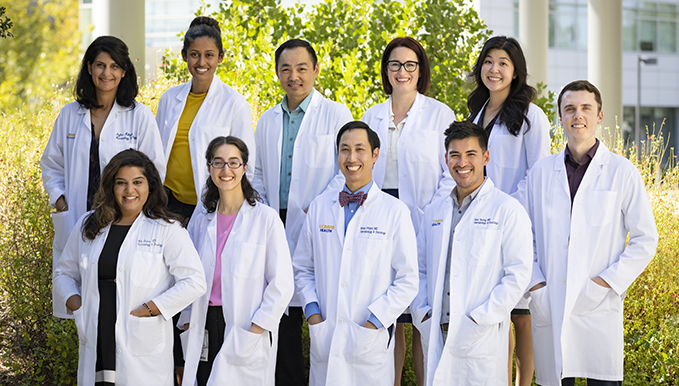 Fellowship Program | Hematology and Oncology | UC Davis Health
They also work crazy hours—up to 80 hours a week, sometimes more. So if you see a fellow who looks like they’ve seen a ghost, just hand them a coffee. They are the unsung heroes of the hospital, running on pure dedication and the occasional granola bar.
But here’s the secret: almost all of them say it’s worth it. They get to focus on what they love—whether that’s tiny baby hearts (pediatric cardiology) or weird rashes (dermatology). Following your passion, even when tired, is a powerful thing.