
Before the 20th century, blue whales ruled the seas without a care. But then came industrial whaling—and boom, humans got greedy. By the 1960s, whalers had killed roughly 360,000 blue whales, pushing them to the brink of extinction.
Can you believe it? People literally hunted the largest animal ever for lamp oil and corsets. Today, only about 10,000 to 25,000 remain—a drop in the ocean compared to their original population. That’s why they’re still listed as endangered species, even after a global whaling ban in 1966.
But wait—did you think that’s the whole story? Nope! The real threats are still lurking, and they’re sneakier than a whale-sized secret.
Modern-Day Drama: Ships, Noise, and Climate Change
Imagine trying to have a conversation at a rock concert—that’s what life is like for blue whales today. Ship strikes are a huge problem: container vessels accidentally run into them because these whales hang out near busy shipping lanes. Ouch.
Then there’s noise pollution. Blue whales communicate with low-frequency songs that can travel hundreds of miles. But with all our boat engines and sonar, their love calls get drowned out. Talk about a romantic buzzkill!
And don’t get me started on climate change. It’s messing with their main food source—tiny shrimp-like creatures called krill. Warmer waters mean less krill, which means hungry whales. Not cool, planet. Not cool.
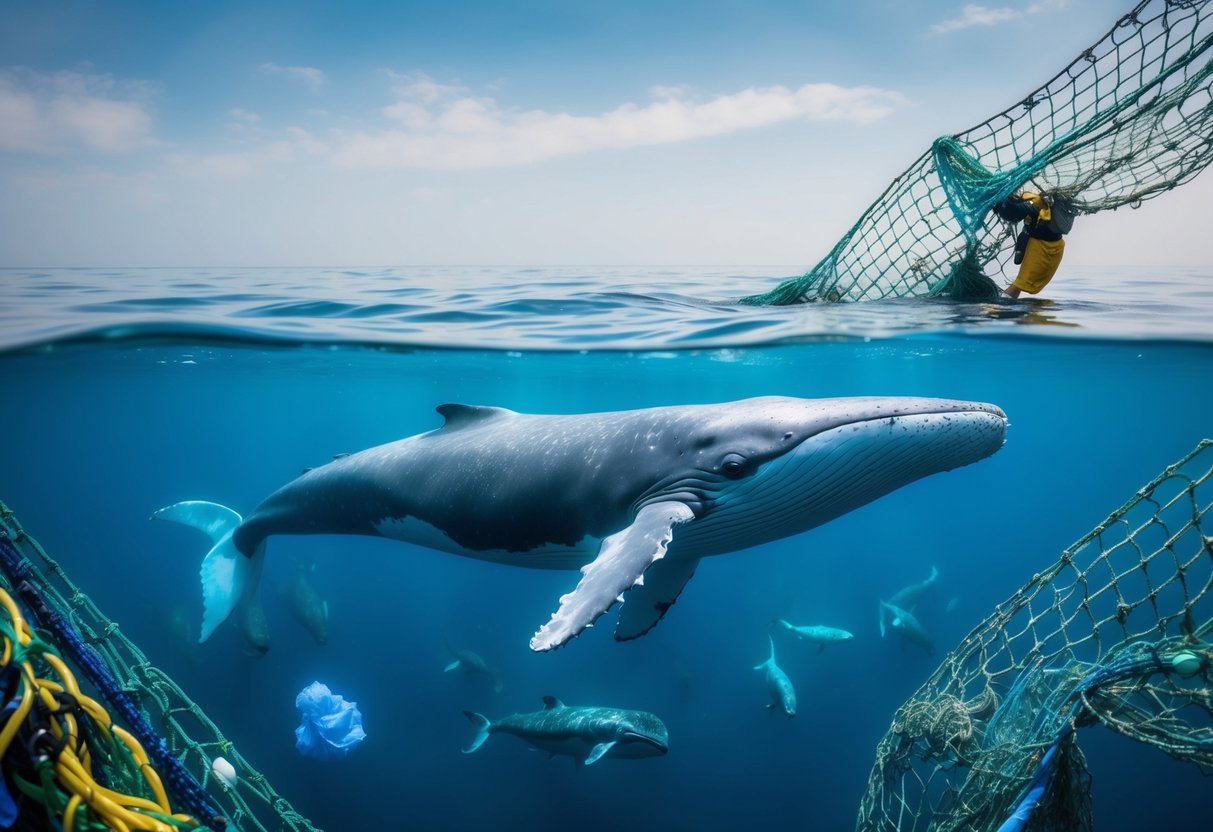 Why Are the Blue Whales Rare Now? Understanding Their Decline and
Why This Makes Life More Fun (Yes, Really!)
Okay, so this might sound heavy, but here’s the secret: learning about endangered species makes you a detective of the natural world. You start noticing patterns. For instance, did you know that blue whales can eat 40 million krill in a single day? That’s like you or me eating 40 million candy bars—but way healthier.
And here’s the fun part: every time you learn something new, you become part of the solution. You might start asking, “Hey, do my grocery bags end up in the ocean?” or “Wait, that ship route could be rerouted to avoid whales?” Suddenly, you’re not just reading—you’re an eco-detective with a purpose.
Plus, blue whales are the ultimate underdog story. They survived ice ages, asteroid impacts, and human greed. They’re basically the karate kids of the ocean—huge, gentle, and secretly scrappy.
What You Can Do Right Now (No Boat Required)
Before you sigh and scroll away, hold on! You don’t need a marine biology degree to help. Start with one small action. For example, choose sustainable seafood options (less demand for krill fishing means more food for whales).
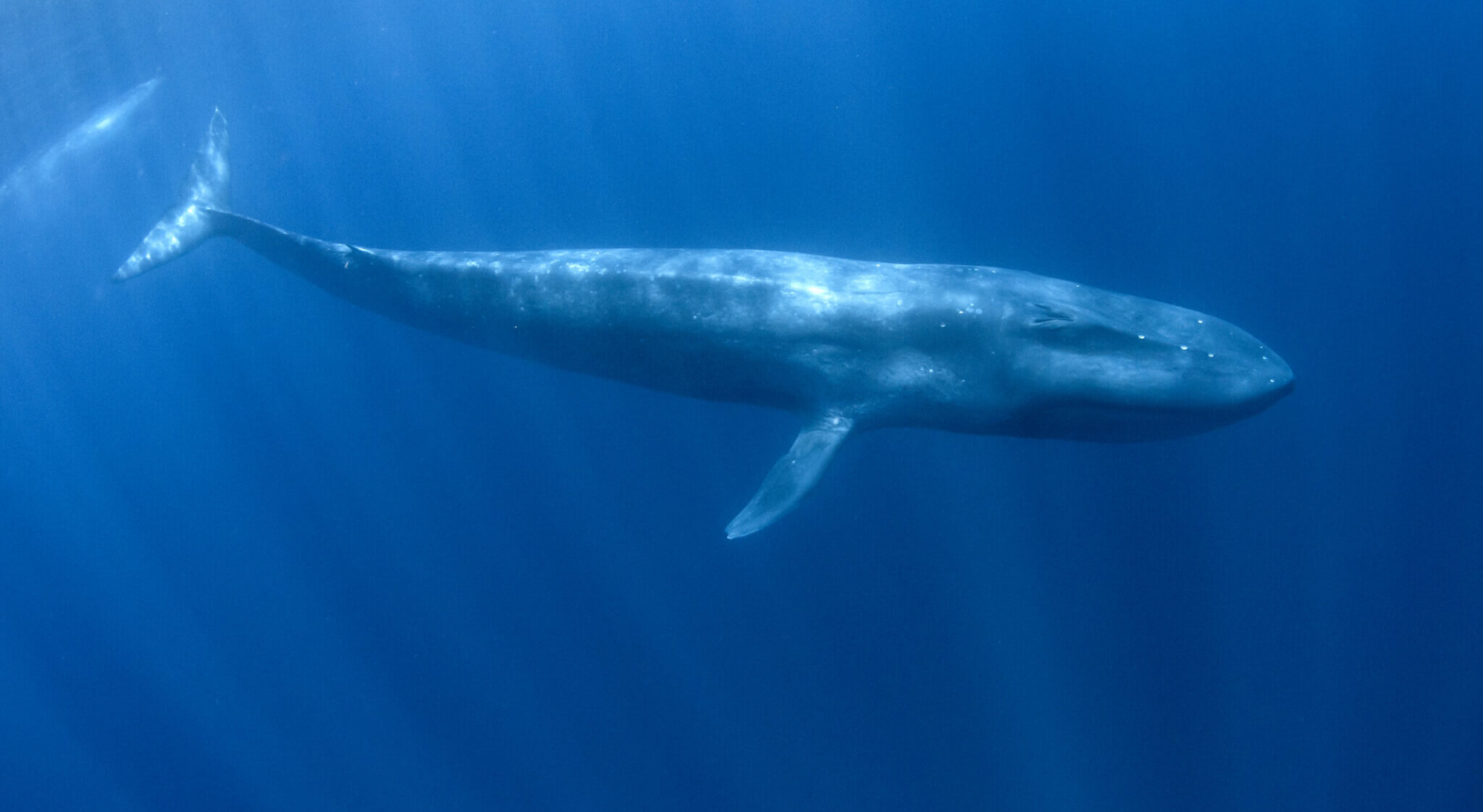 Endangered whale habitat at risk as government greenlights new offshore
Or, share this article with a friend. Seriously, talking about it is powerful. When we chat about blue whales, we make them real to people who’ve never seen one. That’s how movements start—one fun fact at a time.
And if you really want to geek out, look up “whale poop.” I know, I know—gross, right? But blue whale poop is liquid gold for ocean ecosystems. It fertilizes phytoplankton, which produces half the oxygen you breathe. No joke: you’re breathing because a whale took a dump. That’s the kind of fact that makes life feel interconnected and magical.

