
Cherries have a long history of being more than just fruit. In ancient Rome, they were considered a luxury food for emperors. The Roman general Lucullus is famously credited with bringing cherries from Turkey to Europe.
In Japanese culture, the cherry blossom (sakura) represents the transience of life. It’s a beautiful, sobering metaphor for how fleeting beauty and joy really are. Meanwhile, in American slang, “cherry” means “virgin” or “new,” linking the fruit to innocence and freshness.
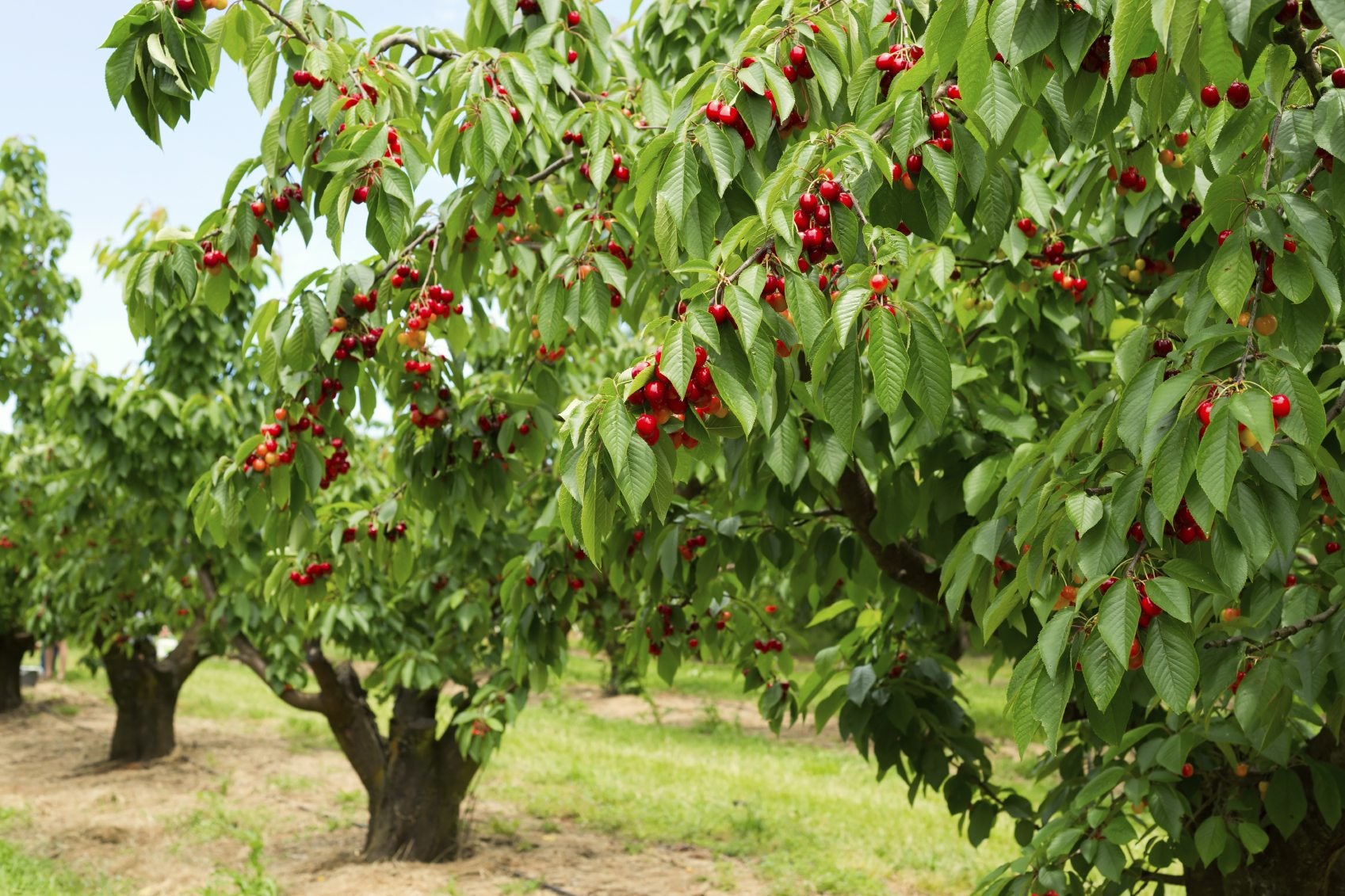 Cherry Tree Types - What Are Some Common Varieties Of Cherry Trees
George Washington’s cherry tree myth—the “I cannot tell a lie” story—is totally fabricated, but it stuck. It shows we attach moral lessons to cherries. They’re the very emblem of honesty, apparently.
Practical Tips for Your Kitchen
Storing cherries is simple: don’t wash them until you’re ready to eat. Moisture triggers mold. Keep them dry and refrigerated in a breathable bag, and they’ll last a week.
If you buy a big batch, pit them before freezing. Trust me, doing it when they’re cold and firm is much easier than after thawing. You’ll thank yourself in December when you toss them into a smoothie.
Chef’s tip: Roast pitted cherries with a splash of balsamic vinegar and a pinch of salt. It takes 15 minutes and transforms them into a savory-sweet sauce for pork, salads, or even ice cream. It’s a total crowd-pleaser.

