
Okay, let’s be real. Simmering won't thicken everything. If your sauce is mostly water with no starch or protein (like a simple broth or a watery stock), simmering will just make it more concentrated, not thicker. It’s like trying to make a river thicker by letting it dry up—you just get a smaller river.
That’s when you need a team player. A little flour whisked in, a cornstarch slurry (cornstarch mixed with cold water), or even a pat of butter stirred in at the end can save the day. Think of these as your sauce’s best friends, not cheating.
But here’s a secret: even watery sauces can thicken if you let them simmer long enough with a roux (butter and flour cooked together) or a slurry. Slow and steady wins the race.
How to Know It’s Working (The Spoon Test)
Stop guessing and start looking. Dip a metal spoon into your simmering sauce, then pull it out. Run your finger down the back of the spoon. If the sauce parts and leaves a clean trail? Perfect. It’s ready to coat your food. If the trail fills in immediately, give it another ten minutes of gentle bubbling.
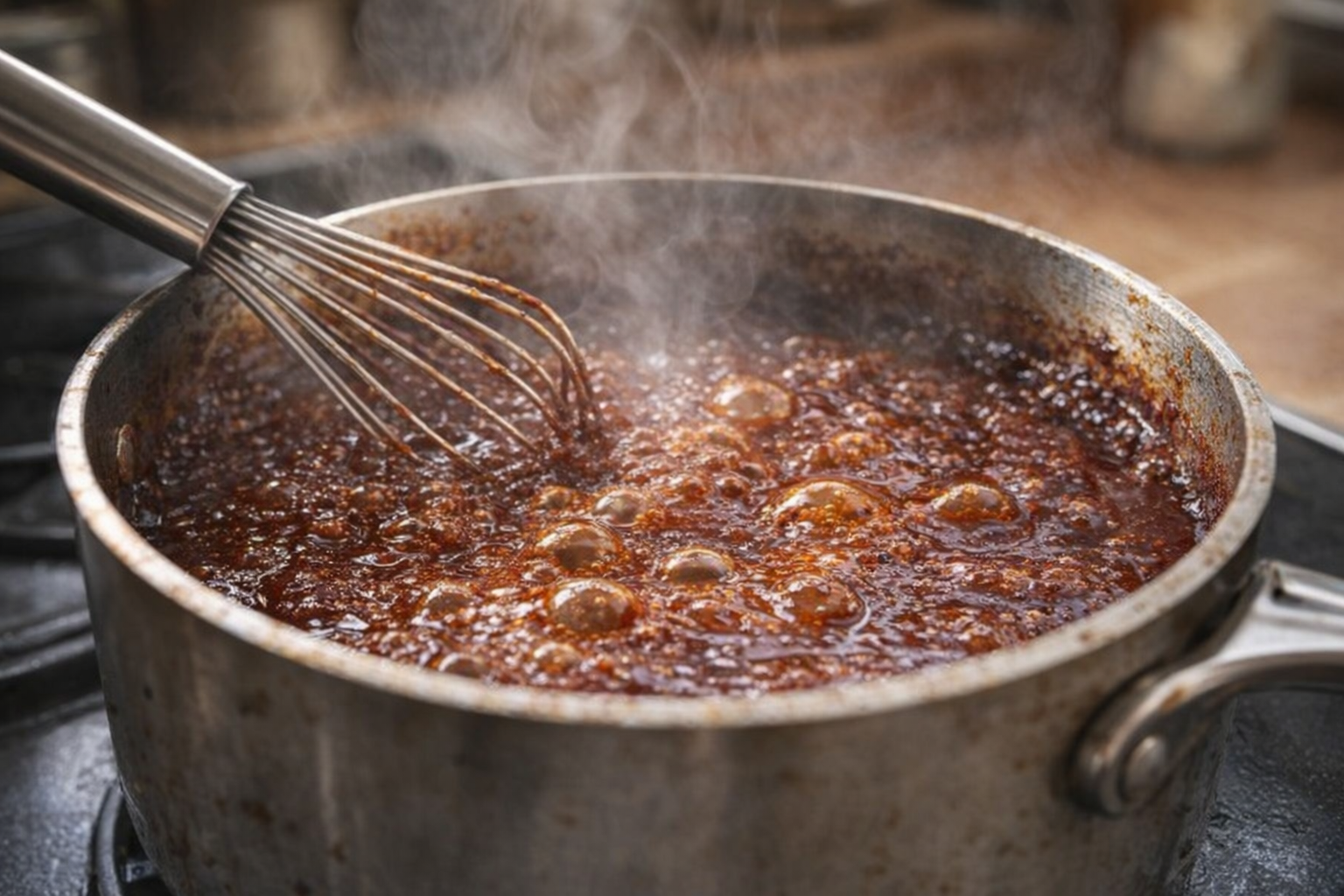
Another trick: watch the edges of the pot. When the sauce no longer looks like a lake but more like a thick lava flow when you stir it, you’re almost there. The bubbles should be small and lazy, not explosive.
And please, please don’t crank the heat to high. I did that once with a cream sauce. I ended up with burnt specks and a sauce that separated into greasy lumps. My dog ate the dinner. I ate regret.
 How to Craft the Perfect Homemade BBQ Sauce: A Comprehensive Guide

