
Extract, on the other hand, is the chill cousin. It’s made by soaking plant material (like vanilla beans or lemon zest) in alcohol, then letting it sit until the flavor surrenders. You get a liquid that’s flavor-forward and not trying to assault your olfactory system.
Think of extract as the friendly neighbor who brings you cookies. Essential oil is the guy who shows up at 3 AM with a fog machine and a laser show. Both are powerful, but only one belongs in your brownie batter.
Why You Can’t Swap Them (Unless You Hate Your Taste Buds)
Here’s the deal: essential oils are often not food-grade. They’re designed for aromatherapy, cleaning, or setting your ex’s sweater on fire (don’t, that’s a joke). A tiny sip of peppermint essential oil can cause heartburn, stomach cramps, or a panic attack in your liver. Surprising fact: Some essential oils are so potent that applying them undiluted to skin can cause chemical burns. Your cookie batter? It will cry.
Extracts, meanwhile, are made to be eaten. That alcohol base cooks off in the oven, leaving pure flavor. Vanilla extract is basically the Beyoncé of baking—it makes everything better. But essential oil? It’s the backup dancer who accidentally trips over the cake stand.
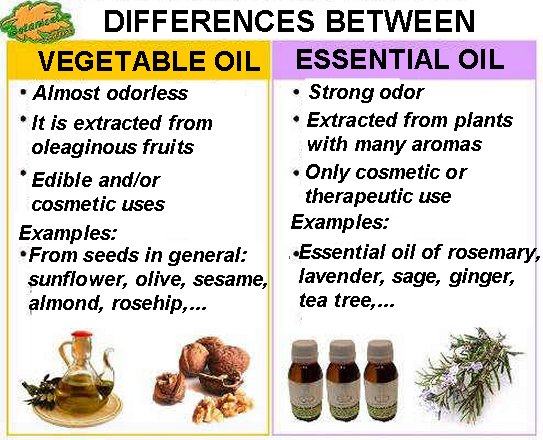 Essential Oil Vs Normal Oil: Difference And Comparison – HHDES