Different Kinds Of Chorizo
So there I was, standing in a tiny Madrid mercado, sweating from the July heat and squinting at a hanging curtain of sausages. A tiny abuela, clutching a basket of tomatoes, c...
So there I was, standing in a tiny Madrid mercado, sweating from the July heat and squinting at a hanging curtain of sausages. A tiny abuela, clutching a basket of tomatoes, caught me staring and shoved a slice of dark, oily chorizo into my hand. “Prueba esto, guapo,” she said, which I’m pretty sure meant “Taste this, handsome,” but honestly, my ego was secondary to the explosion of smoked paprika that hit my tongue. That single, greasy bite was a revelation—and the moment I realized chorizo isn’t a single thing; it’s a whole universe of spicy, fermented, and cured dramas.
Let’s kill the biggest myth right now: Spanish chorizo is not the same as Mexican chorizo. They share a name and a deep love for pork, but that’s like saying a croissant and a tortilla are the same because they’re both made of dough. Spanish chorizo is cured, which means you can eat it raw like a fancy salami, while Mexican chorizo is almost always fresh and must be cooked. Trust me, you do not want to confuse the two at a party—unless you enjoy giving your guests a potential tummy rumble.
First, let’s talk about the granddaddy: Spanish Chorizo. This stuff is the Ferrari of cured meats—it’s been around for centuries, and it’s all about the pimentón (that’s smoked paprika to you and me). The two big stars here are Chorizo Ibérico, made from those legendary black-footed pigs, and Chorizo de León, which has a coarser texture and a funky, fermented tang. If you see one hanging from a ceiling in a Spanish bar, just point and nod—you’re about to make a very good decision.
But wait, there’s more variety inside Spain itself! Ever heard of Chorizo de Pamplona? It’s basically a fine-ground, smooth paste smoked to perfection, often scored so it looks like a giant hot dog that went to finishing school. Then you’ve got the spicy hellraisers from Extremadura, where they add guindilla peppers to kick you in the teeth. Pro tip: pair any Spanish chorizo with a block of Manchego cheese and a glass of Rioja, and you’ve basically achieved inner peace.
Now, let’s hop the Atlantic to Mexico, where chorizo gets a complete makeover. Mexican chorizo is raw, crumbly, and dyed a vivid, almost alarming red from loads of dried chiles and vinegar. You never, ever eat this stuff raw—you crumble it into a screaming hot skillet and watch it render into a glorious, oily mess that’ll make your kitchen smell like a taquería. And here’s a secret: Mexican chorizo is often fattier and less cured, so it’s perfect for stuffing into tacos or scrambling with eggs for a breakfast that fixes your soul.
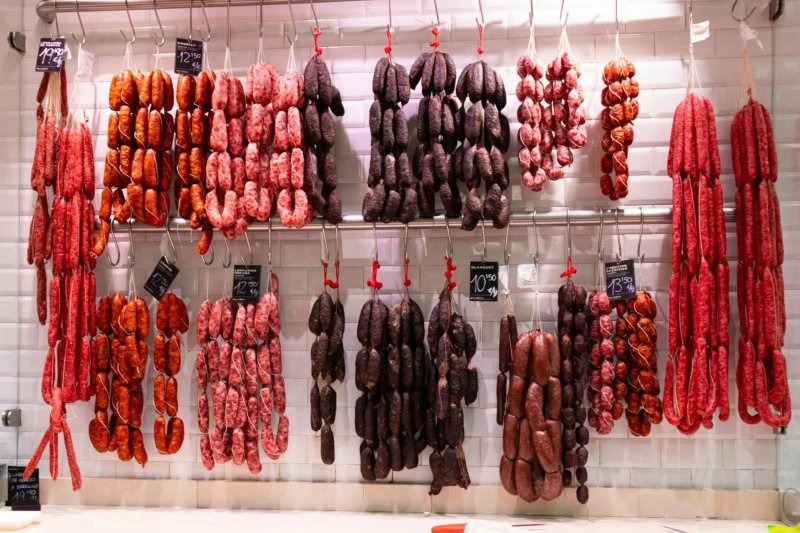 Save the Date! Sausage Fest Coming to Beijing May 17-19 | the Beijinger
But don’t think the chorizo family tree stops at Spain and Mexico. Oh no, my friend, this is a global conspiracy. In Portugal, they make Chouriço, which is almost identical to Spanish chorizo but tends to be smokier and way more garlicky—it’s the rude cousin who talks too loud at dinner. Head to Argentina and you’ll find Chorizo Criollo, a fresh sausage meant for the grill, often snuggled into a crusty roll called a choripán. If you ever see a street vendor flipping those, stop everything you’re doing.
And then there’s the weirdo of the family: Chorizo Verde from Mexico. It’s green. Literally green. They add tomatillos, cilantro, and jalapeños to the pork, turning it into a herbaceous, tangy monster that stains your teeth. I once made the mistake of serving it to a Spanish friend, who looked at me like I had offered him a guacamole-flavored tire. But honestly? It’s delicious on a torta with avocado and pickled onions. Don’t knock it till you’ve tried it.
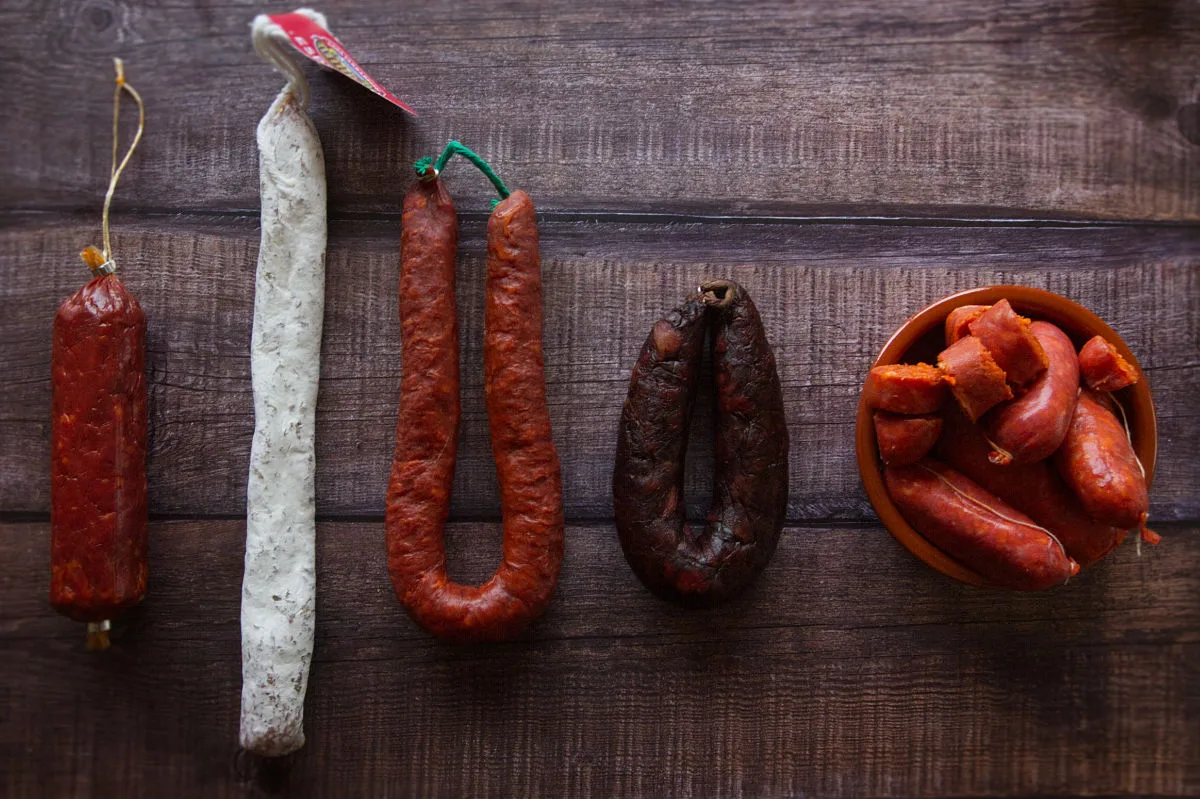 Chorizo Welcome 2026 With A Bang! 🎆 Fry It Or Grill It! Chorizo De
Let’s not forget Chorizo de Bilbao, a Filipino variety shipped over during colonial times. It’s sweeter, smaller, and marinated in annatto seeds and pineapples—basically, the poker chip of breakfast meats. Filipinos fry these little red torpedoes until they’re caramelized, then serve them with garlic rice and a fried egg. It’s the kind of breakfast that makes you want to write a thank-you note to your ancestors.
So, how do you pick the right one without a microscope? Easy. For a charcuterie board: Spanish all the way, preferably Ibérico if your wallet allows. For tacos or breakfast: Mexican fresh chorizo, and don’t be shy with the grease. For a barbecue: grab the Argentinian kind and promise yourself a second bun. And if you feel adventurous? Try that Chorizo Verde and report back. I’m taking bets on how many people you’ll confuse.
I’ll leave you with this: chorizo is less a sausage and more a passport. Every culture that touches it adds its own fingerprint—smoke, chile, garlic, or even pineapple. That abuela in Madrid didn’t just hand me a slice of meat; she handed me a ticket to taste the world through a little red tube.