
If you’re gluten-free, this protein percentage game changes entirely. Gluten-free flour blends rely on starches like tapioca, potato, and rice, along with binders like xanthan gum. The "protein percentage" on a GF bag mostly comes from almond or chickpea flour, not gluten potential.
Almond flour has about 21% protein, but it’s not the same kind. It adds density and moisture, not stretch. So if you see a GF recipe calling for "high-protein flour," they mean for structure, not elasticity. Context is everything.
Fun little fact: the highest protein wheat flour commercially available is often vital wheat gluten, which is nearly 75-80% pure protein. Add a tablespoon to whole wheat dough to boost its lift. It’s like protein powder for your bread.
Reading the Bag Like a Pro
Most supermarket brands don’t print the protein percentage on the front. Flip the bag. Look at the nutrition label. Check the grams of protein per 30g serving. That number, multiplied by 3.33, gives you the approximate percentage. Yes, you need math, but it’s easy math.
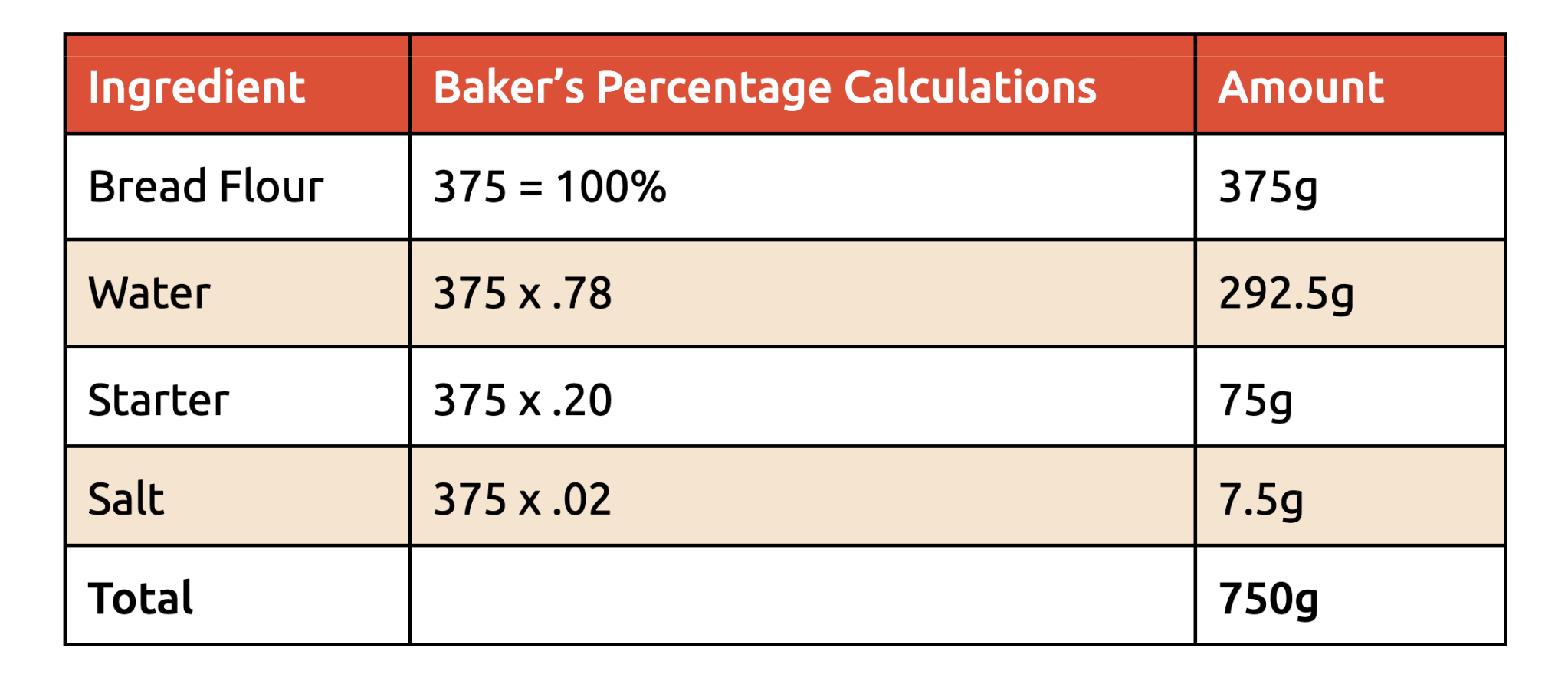 Baker's Percentages & Ratios
For example, if a serving has 3 grams of protein, that’s about 10%. If it has 4 grams, it’s about 13%. You are now a flour detective. Use this power wisely.
Never trust a bag labeled just "unbleached." Unbleached refers to aging, not protein. Two different unbleached all-purpose flours from different brands can have entirely different protein levels. King Arthur’s all-purpose is 11.7%, while Gold Medal is roughly 10.5%. That half-percent matters in tender cakes.

