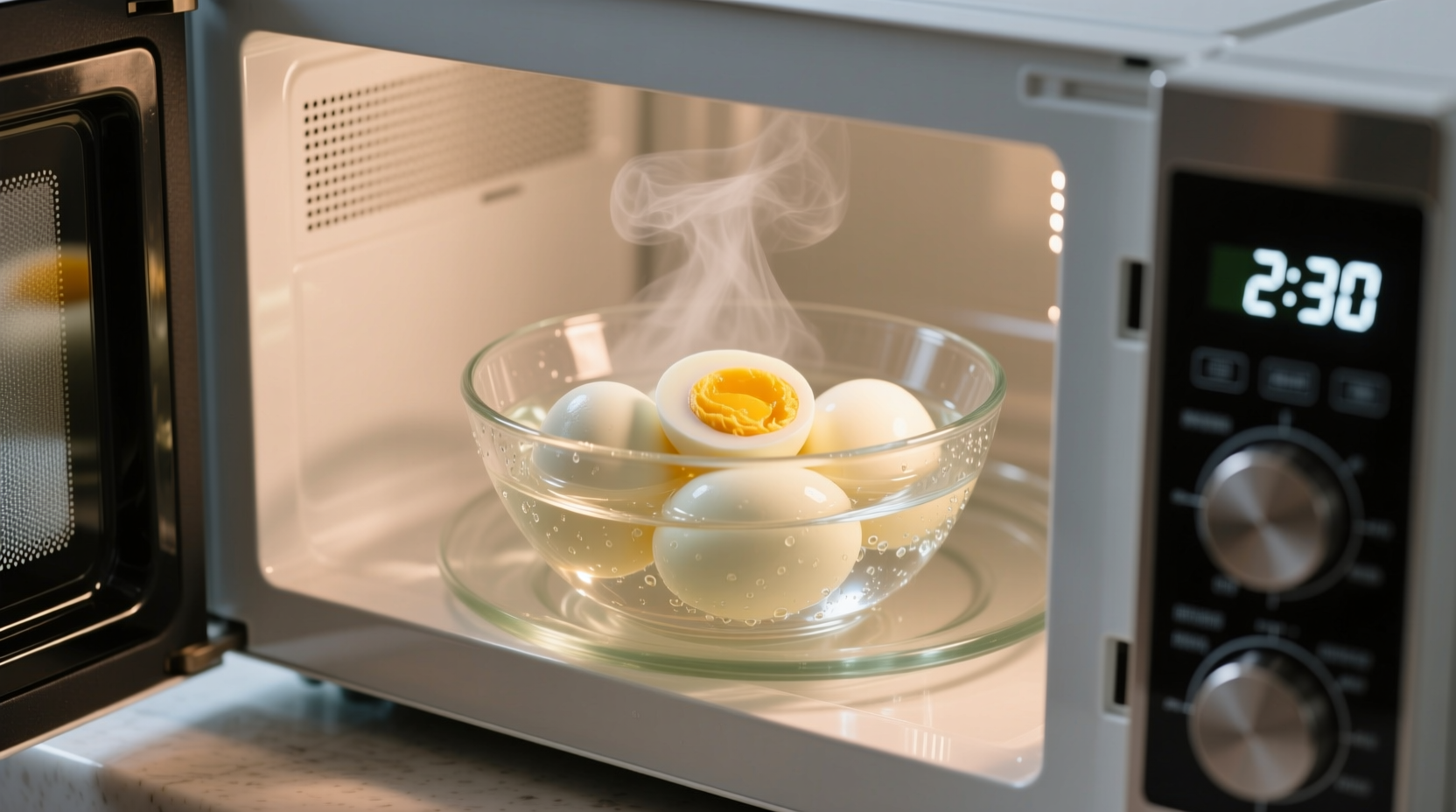
You’ve seen the memes. You’ve heard the kitchen horror stories. A perfectly good egg goes in, and a mess of yellow goo coats the entire inside of your microwave.
Why does this happen? It’s all about steam and speed. The yolk and white heat up fast. The shell traps that superheated liquid like a pressure cooker.
Then, boom. You look inside and your lunch has become wall art. It’s a miniature volcano, and you are the unlucky tourist.
The Science of a Tiny Bomb
Here’s the quirky part: it’s not the shell’s fault. You can microwave a cracked egg in a cup just fine. The real villain is the yolk.
The yolk is packed with fat and protein. It heats up faster than the white. This creates a massive temperature difference.
When you poke that yolk with a fork—or worse, bite into it—the pressure releases instantly. That’s not a bite. That’s science exploding into your mouth.