Check the label: Pure vanilla extract lists “vanilla bean extractives” and alcohol. That’s it. It’s like a single-ingredient, artisanal, high-end perfume for your brownies.
Vanilla flavor (often labeled “imitation vanilla” or “vanilla essence”) lists things like water, propylene glycol, corn syrup, and artificial vanillin. Basically, it’s the vanilla equivalent of fast food—convenient, cheap, but missing that soul.
There’s also “vanilla flavored extract” which is a sneaky blend—some real extract, some artificial. It’s like your friend who says they’re “mostly vegan” but eats pepperoni pizza on Fridays. We see you.
Taste Test: Can You Actually Tell the Difference?
If you blindfold yourself and take a tiny sip, yes. Real extract hits you with a floral, fruity, almost rum-like complexity. Vanilla flavor tastes… flat. Like a one-note song played on a kazoo.
But here’s the kicker: In baked goods, the difference gets smaller. Heat kills some of those delicate bean flavors, especially if you’re baking cookies at 350°F. That’s why many professional bakers use pure extract for frostings, custards, and no-bake treats, but will use imitation for sturdy cookies.
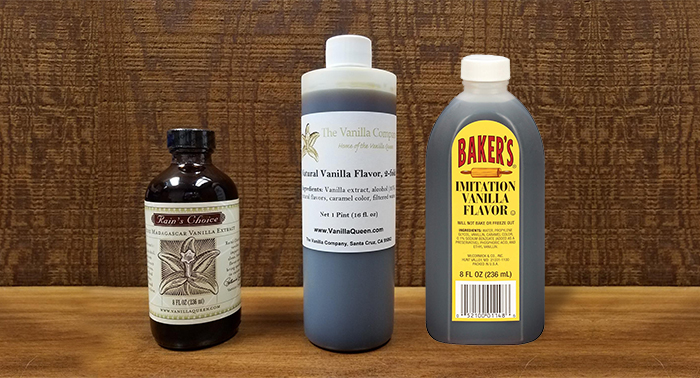 Difference Between Pure Vanilla Extract, Vanilla Flavor, Natural
Your average cookie thief won’t notice. But your taste buds might whisper, “Something’s missing.” And that something is the complexity only a real bean can give.