
Imitation crab didn’t just appear in your sushi roll by accident. It was born from resourcefulness—Japan’s post-WWII need to stretch protein. By the 1970s, Japanese companies perfected the technology, and by the ’80s, it hit American shores as a cost-savvy alternative. Today, it’s a global staple, from street-food stalls in Bangkok to upscale grocery chains in Paris.
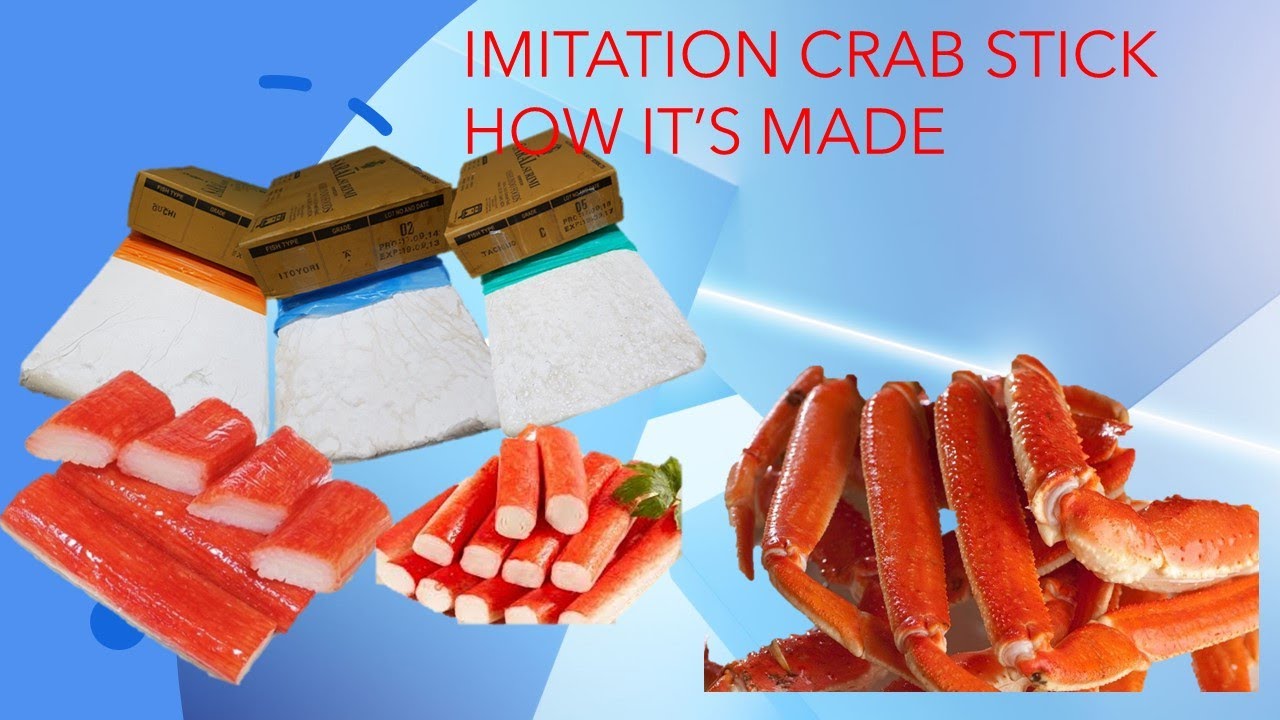 IMITATION SCRAB STICK - HOW IT'S MADE - YouTube
And yes, some purists scoff. But consider this: real crab also comes from farming and fishing, and imitation crab uses far less marine resource per pound. If you care about sustainability, it’s a surprisingly ethical choice.
The Lowdown on Flavor
The flavor of imitation crab is deliberately mild—it’s meant to absorb sauces and seasonings like a blank canvas. That’s why it works so well in creamy dips, spicy ramen, or alongside tangy pickles. The texture, meanwhile, is densely layered, thanks to those cooked-and-folded sheets.
If you want to fool a dinner guest, serve it in a classic crab cake recipe with plenty of breadcrumbs and mustard. The binding agents and pan-fry will blur the line between real and faux. They might not even notice.
One more fact: The best-tasting imitation crab usually contains a bit of real crab extract. Check the ingredient list for “crab flavor” or “natural crab extract”—that’s your green light.