
What Are Franks Made Of
So, picture this. Last week, I'm at a backyard barbecue, and my friend Dave—you know the type, the guy who claims to be a "grill master" but can barely flip a burger—holds up...
So, picture this. Last week, I'm at a backyard barbecue, and my friend Dave—you know the type, the guy who claims to be a "grill master" but can barely flip a burger—holds up a frankfurter and squints at it like it's a rare artifact. "What are these even made of?" he asks, dead serious. I choked on my soda. Really, Dave? But then I realized, he had a point. Most of us just shove these things in our faces without a second thought. So, let's dig in—not just into the bun, but into the actual mystery of what makes a hot dog tick.
First off, let's kill the urban legend right now. No, hot dogs aren't made of "lips and assholes" or whatever horror story your grandpa told you. That's mostly urban myth, though, fair warning—it's not exactly prime rib, either. The meat comes from what the industry calls "trimmings." Think of the bits left over after a butcher cuts steaks, roasts, and chops. You really don't want a visual of that, trust me. But it's all USDA-inspected, so at least it's legal.
Now, here's where it gets cheeky (pun intended). A standard frankfurter is a mechanically separated product. They take those trimmings—pork, beef, or chicken, usually—and put them through a machine that forces the meat through a sieve. It looks like a pink paste. Appetizing, right? But that paste is the canvas. To that, they add water, salt, sugar, and spices like paprika, garlic powder, and a ton of sodium nitrite—for color and to keep you from dying of botulism. Because nothing says "fun food" like a side of preservative science.
But wait—there's more weird stuff in the mix. Ever heard of corn syrup solids? Yeah, hot dogs have sugar, because apparently everything in America needs to be sweet. And dextrose. And sometimes ascorbic acid (which is just Vitamin C, but sounds scarier as a chem name). The real kicker? Meat binder, like cornstarch or potato starch. This is what gives a hot dog that snap when you bite it. Without it, you're basically eating a sponge of sadness.
Now, let's talk the elephant in the room: chicken and turkey. Most cheap hot dogs you grab at a gas station are predominantly poultry. Why? Because it's cheap. But don't think you're being "healthier." That white meat is mechanically separated and loaded with skin, bone dust (yes, bone dust—it's ground fine enough to pass as food), and fat to make it taste like something. But you wanted the truth, Dave. Here it is.
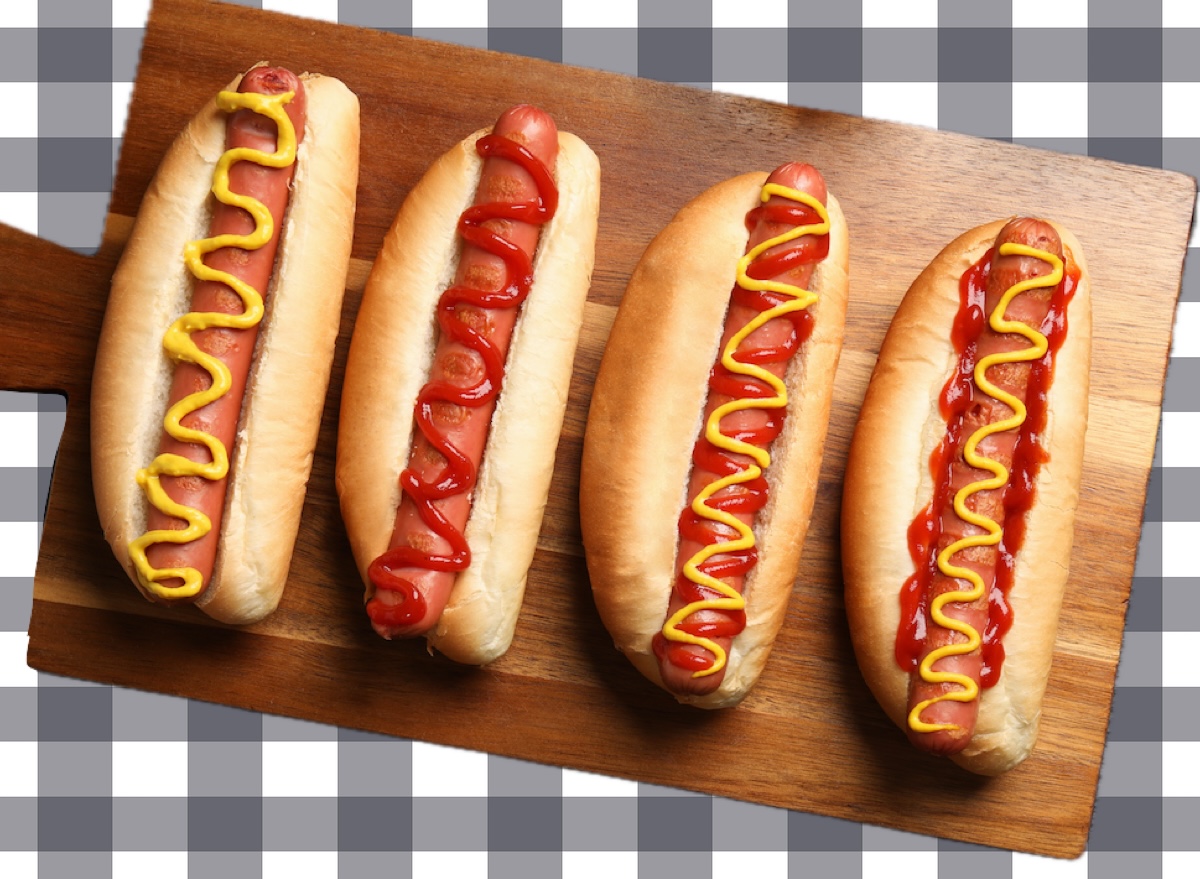 11 Best Beef Franks Made With 100% Beef
What about the good stuff—the fancy, "all-beef" franks? Those are exactly what they say: 100% beef trimmings. Usually a mix of skeletal muscle and fat, but no fillers like corn syrup. You're paying for purity of guilt. But here's the irony: even the high-end ones have water content of up to 30%. You're paying for water and fat at Gold’s Gym prices. Still better than the gummy poultry tubes, though.
Let's talk casing vs. skinless. You know that pop when you bite a good bratwurst? That's the natural casing—made from animal intestines (usually sheep or hog). Skinless franks, on the other hand, are made by stuffing the meat paste into a cellulose tube that gets peeled off after cooking. So no, you're not eating a condom. But the texture comes from chemical baths and liquid smoke. Fancy, huh?
 Bursting with FLAVOR, from left to right: Classic delicatessen franks
I can't skip the emulsification part, even though it sounds like a lab experiment. They grind the meat and fat into a gooey batter, then pump in ice water and air while mixing it at high speed. This creates a stable foam—like a mousse, but grim. The fat gets trapped in protein molecules, so when you cook it, it doesn't all slosh out. That's why a hot dog is homogeneous pink. It's culinary engineering for the masses.
So, what's the verdict? Are franks real food? Technically, yes. But they're also a masterclass in making the unappetizing edible. They're a love letter to thrift, flavored with nostalgia and a pinch of I'd rather not know. Next time you take a bite, just remember: it's a sausage of compromise. And if you like it, eat it with gusto. Dave certainly did, oblivious to the bone dust. Maybe ignorance is bliss. But now you know. You're welcome.

