
I tried “beating” butter and sugar once while watching a thriller. I was so into the plot that I was basically trying to pummel the bowl into submission. My friend laughed and said, “You’re not beating it; you’re aggressively negotiating.” The trick is that beating is a rhythmic, purposeful motion, not a panic attack. You want a smooth, airy texture, not a kitchen explosion.
When I first made whipped cream, I thought beating meant going full speed with the whisk until my arm fell off. I ended up with butter. Buttery cream is delicious on toast, not on pie. I learned that beating is about control. You start slow to avoid a snowy white mess, then you speed up as the mixture gets thicker. It’s like driving a stick shift in a snowstorm—gentle at first, then you let it rip.
The Three Signs You’re Doing It Right
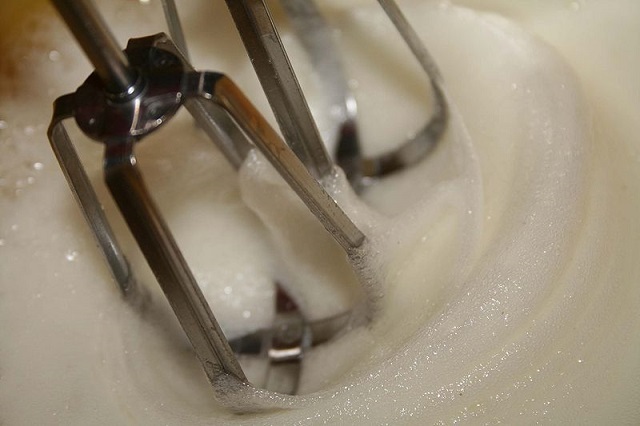
First, the color changes. Ever beat egg whites? They go from clear-ish snot to a fluffy white cloud that could double as a pillow for a tiny doll. That’s the air bubbles doing their magic. Second, the texture shifts from “soupy” to “ribbon stage”—meaning if you lift the whisk, the batter falls back in a thick, lazy ribbon that holds its shape for a second. It’s like a slow-motion replay of a messy waterfall.
Third, you’ll feel it in the arm. Not a painful ache, but the satisfying burn of a mini-workout. As my grandma used to say, “If your wrist isn’t slightly offended, you haven’t beaten it enough.” That’s why God invented electric mixers—because our human arms are basically noodles after 90 seconds.
 Beat Cooking

