
Think of blue whales as the forest rangers of the sea. When they eat, they dive deep, then surface to poop. Their poop is basically fertilizer for tiny marine plants called phytoplankton. Phytoplankton produce more than half the oxygen you breathe—yes, half your next breath came from something that was fed by whale poop.
So, saving blue whales is like keeping the world’s lung cleaner. A world without them would be a little harder to breathe in—literally and figuratively.
Plus, they’re just flat-out cool. A blue whale’s heart is the size of a small car. Its tongue weighs as much as an elephant. Imagine trying to park that thing in a garage—it’s seriously awe-inspiring.
Little actions, huge ripples
You don’t need to become a marine biologist to help. Next time you order seafood, look for sustainable labels—overfishing depletes krill and other whale snacks. And if you’re buying something shipped from overseas, maybe see if a slower, greener shipping option exists.
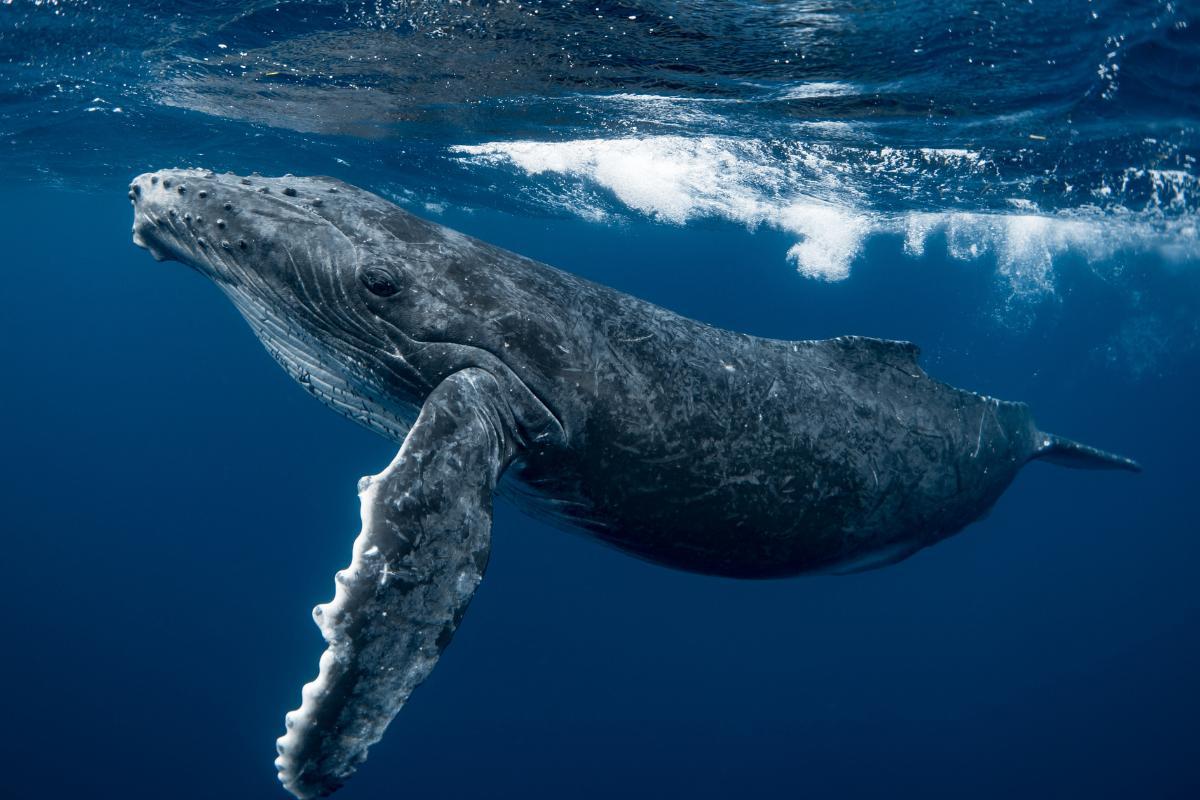 Is the Blue Whale an Endangered Species? - Reasons for Threats
Even reducing your plastic waste matters—especially those little ziplock bags and straws. Whales can mistake plastic for jellyfish and get sick. Nobody wants their last meal to be a sandwich wrapper.
Lastly, talk about these big blue weirdos with your friends. The more we share stories about them, the less likely they’ll fade into memory like a forgotten 90s band. Maybe start a “Save the Blue Guys” group chat.

