
Squid is basically a protein paradox. It turns from tender to tough and back again in a flash. The first zone is super fast—about 30 seconds to 2 minutes of high heat. Think of it like a quick, hot sprint in a pan or grill.
The second zone is the opposite: a long, slow simmer for 30 to 45 minutes. This is the braise or stew method, where the squid relaxes into buttery softness. There is no in-between; it’s either a flash or a marathon.
Why does that happen? Blame the collagen and water inside the squid’s muscles. Short, intense heat cooks the water fast without tightening the collagen too much. Long, gentle heat breaks down that collagen into gelatin, making it melt-in-your-mouth.
Zone One: The Quick Sprint (30 Seconds to 2 Minutes)
Imagine you’re pan-searing scallops, but even faster. For squid rings or tentacles, get your pan screaming hot with oil. Toss them in and cook for just 45 to 90 seconds—flip once. You want a golden sear, not a leather jacket.
For deep frying, the same rule applies: 45 seconds to 1 minute in oil at 350°F (175°C). The moment they turn opaque and curl, they’re done. Overcook ’em by ten seconds, and you’re chewing on a garden hose. Yes, it’s that fast.
Grilling whole squid? Go even quicker—about 45 seconds per side on high heat. The tentacles might pop and crisp up like little fireworks. That’s a good sign.
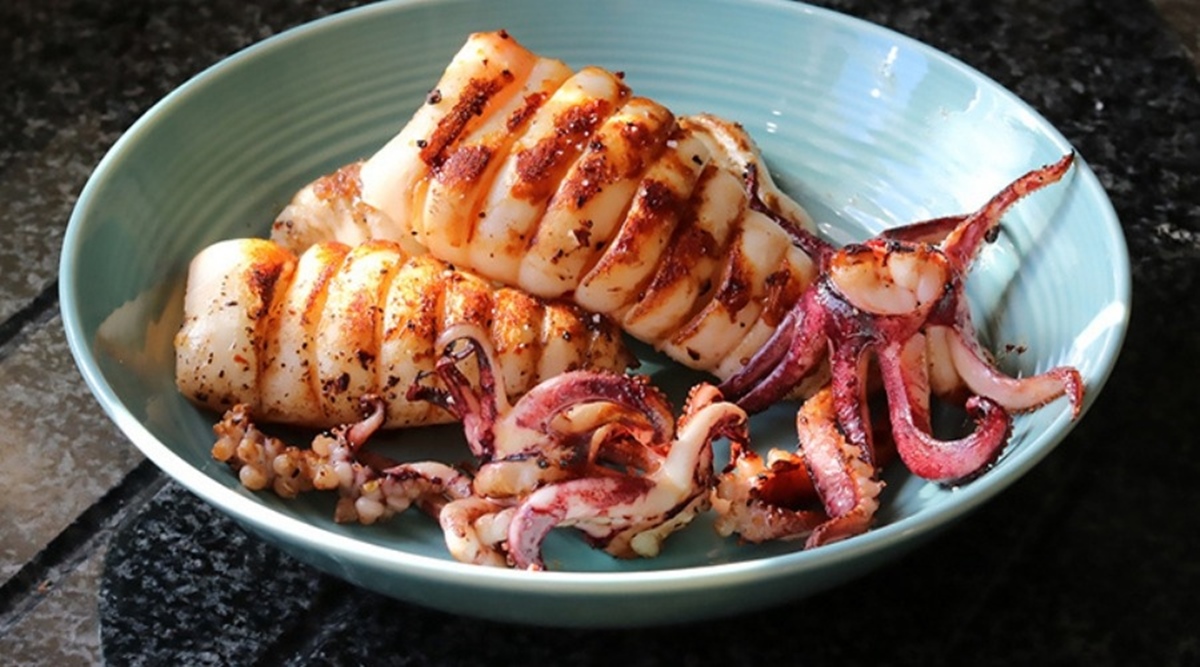 How To Cook A Seafood Boil In The Oven - Recipes.net
Zone Two: The Long Simmer (30 to 45 Minutes)
This is the forgiving zone. If you’re making calamari stew, squid ink pasta, or a Mediterranean tomato braise, you want the long game. Simmer squid in a liquid (broth, wine, or tomatoes) for 30 to 45 minutes.
At first, it gets tough. Don’t panic. Just let it cook low and slow. After about 20 minutes, the collagen starts to dissolve, and by minute 35, it’s buttery. You can even go to 60 minutes without ruining it—unlike the 2-minute sprint where one second destroys it.
Think of it like pork shoulder versus pork chop. Chop needs speed; shoulder needs time. Squid is both those meats in one weird, tentacled package.
But What About the Ink Sac?
If you’re lucky enough to get whole, fresh squid, the ink sac is a treasure. Add it to the long simmer for a briny, earthy sauce. It turns your pasta or rice black and fancy—like a sci-fi dinner. Just don’t pop it before cooking unless you want a kitchen that looks like a crime scene.
And yes, you can eat the tentacles. Chew them confidently—they’re the best part. They stay tender in both the quick sprint and the long braise because they have less collagen and more water. Fun fact: octopus is the same, but squid is the beginner-friendly cousin.
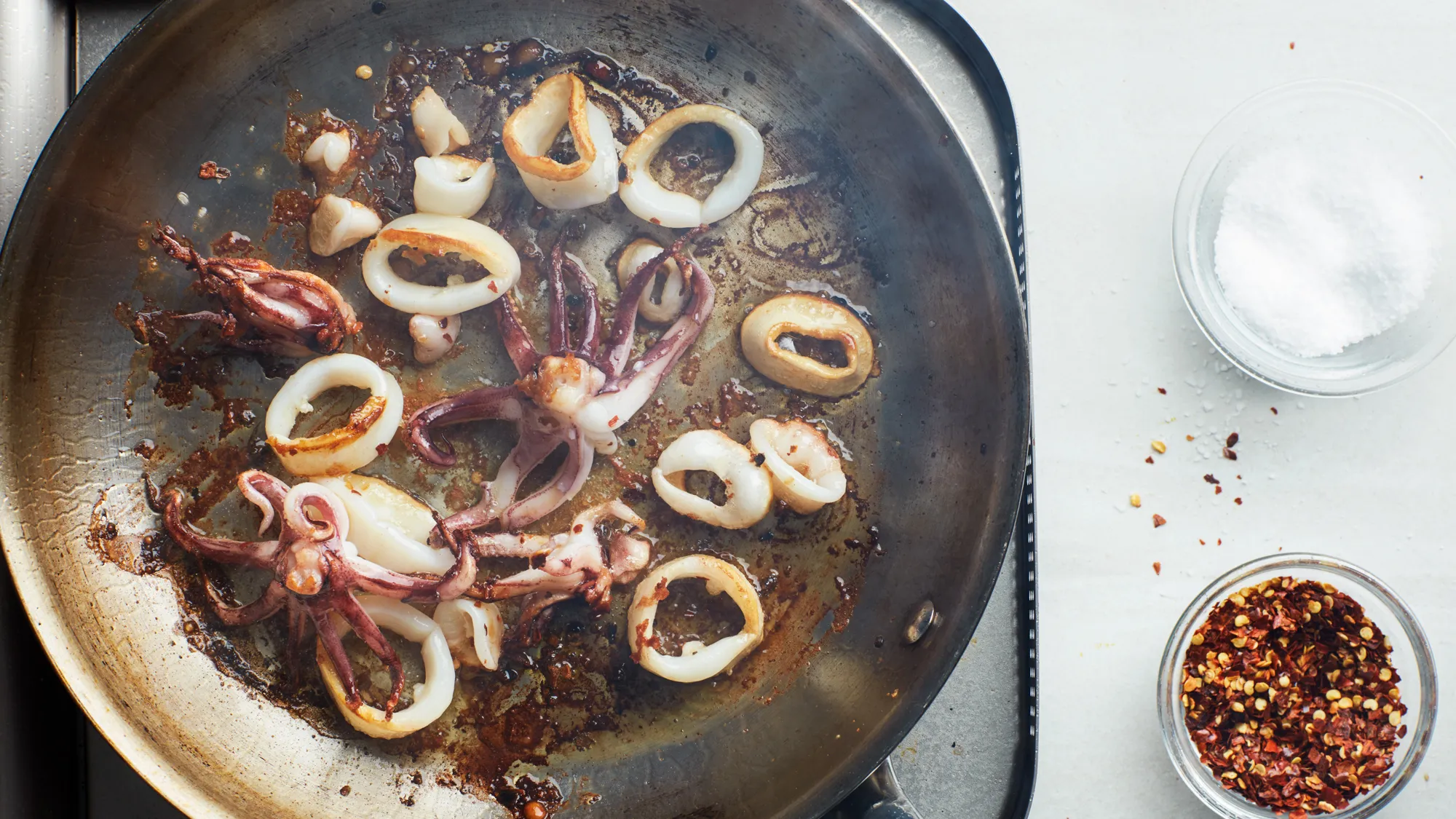 How To Cook Squid

