
Here’s the truth that might shock you: almost everything you eat is processed to some degree. If you’ve ever washed an apple, you’ve processed it. If you’ve ever toasted bread, congratulations, you’re a food processor. The term “processed food” officially refers to any food that has been altered from its natural state—by freezing, canning, drying, or adding preservatives.
So, by that boring technical definition, yes, canned tuna is absolutely a processed food. The tuna was caught, gutted, cooked, flaked, sealed in a can with water or oil, and maybe even salt was added. That’s a lot of Human Interference™. But wait—does that make it bad for you? Spoiler alert: nope. Not all processing is evil; sometimes it’s just cooking with extra steps and a can opener.
The real question: is it “ultra-processed” like a Twinkie?
Here’s where the irony kicks in. Nutritionists have a special circle of hell reserved for ultra-processed foods—things like soda, hot dogs, and those neon orange cheese puffs that feel like hate crimes against your intestines. These are foods loaded with industrial additives, artificial flavors, and more chemicals than my high school chemistry lab. Canned tuna is nothing like that. Tuna has exactly one ingredient: tuna. (And maybe a little water, oil, or salt—which is basically magic fairy dust compared to the ingredient list on a frozen pizza.)
Look at the label on your can of tuna. See that short list? It probably says “skipjack tuna, water, salt.” Compare that to a bag of spicy snack mix, and you’ll realize your tuna is practically a whole food. It’s like comparing a fresh-picked tomato to a can of tomato soup—one is just preserved, the other is a Frankenstein’s monster of sugar and stabilizers. The lesson? Processed ≠ junk. It just means someone did the heavy lifting for you, which is honestly a favor.
:max_bytes(150000):strip_icc()/ewl-tier-3-primary-best-canned-tuna-ebrockob-001-7d091462af3049cc90bc2f54dd21b216.jpeg) Tuna Food
Tuna Food
But what about fresh tuna? (A sneaky comparison)
Now, if you’re sitting there thinking, “But what about that beautiful, ruby-red sushi-grade tuna from the fancy fish market?”—yeah, that’s less processed. But here’s the kicker: even that “fresh” tuna probably spent a few days on ice in a refrigerated truck, which technically counts as cold processing. You can’t escape processing unless you’re a dolphin catching your own tuna with your bare teeth, and let’s be real, you don’t have the dental plan for that.
So, while fresh tuna is technically “less processed,” it’s also $30 a pound and requires you to know how to cook it without ruining your evening. Canned tuna is the humble, loyal cousin who shows up with a bottle of wine and doesn’t ask for anything in return. It’s been processed to ensure you don’t get food poisoning, and honestly, that’s a beautiful thing.
Let’s also address the elephant in the room: mercury. Yes, tuna contains mercury because of how our polluted oceans work, and too much of it can be a problem. But that’s not a “processed” issue—that’s a “nature and industry kinda screwed us” issue. If anything, canned tuna is often made from smaller fish (like skipjack) that have less mercury than the big, majestic tuna you see on a sushi platter. So the canned version might actually be the safer choice, making it processed in the best way.
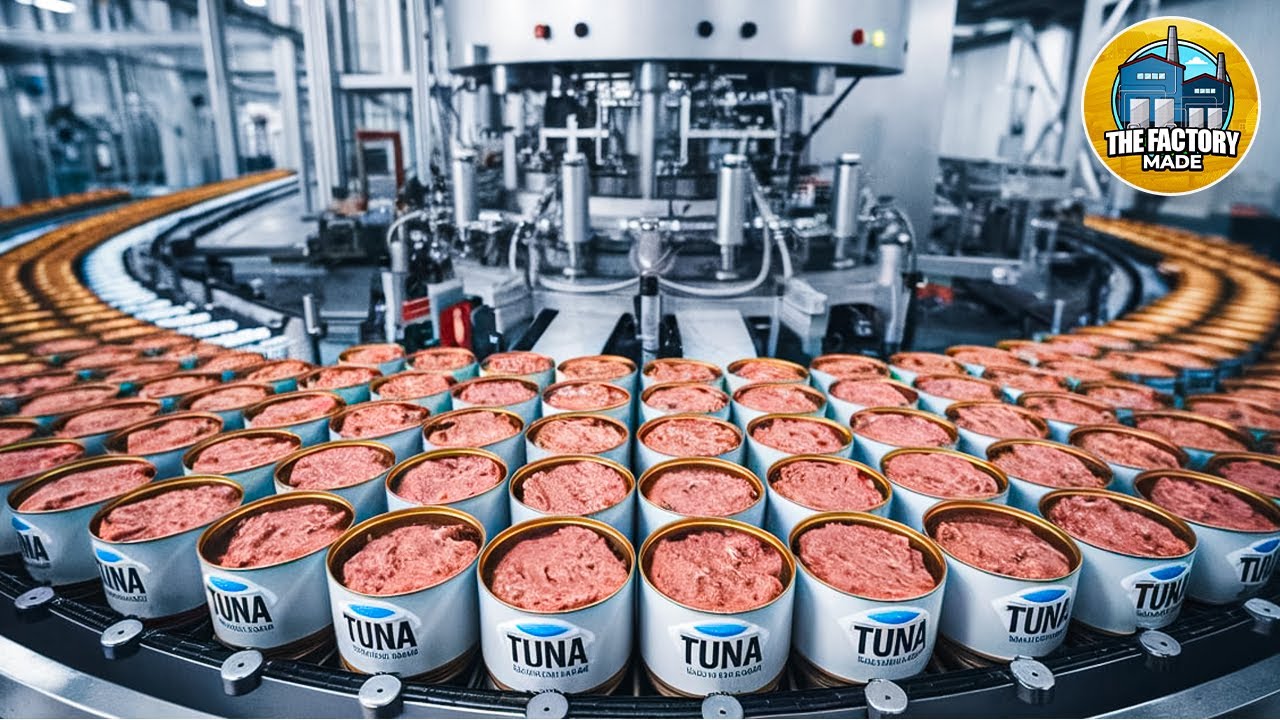 How Canned TUNA is Made in Factory || How Tune Fish is Caught
So, should you be afraid of canned tuna?
Honestly? No. Fear is for things like clowns and taxes, not for a perfectly good can of protein. Canned tuna is processed in the same way that frozen peas are processed: it’s preserved so it lasts longer and fits into your chaotic, modern life. It’s high in protein, omega-3 fatty acids (which make your brain happy), and it costs about the same as a fancy coffee.
The real danger is when people eat it every single day for every meal, which can lead to mercury issues, but that’s not a process problem—that’s a “variety is the spice of life” problem. Mix it up, you know? Throw in some sardines or a chicken thigh once in a while. But don’t shame the tuna for being processed when it’s just trying to help you survive a Tuesday.
So, the next time you open that can, own it.Say it loud: “Yes, this is a processed food, and I am here for it.” It’s processed, it’s convenient, and it’s still packed with the same tuna goodness that nature intended—just with a little metal jacket on. Now go make yourself a tuna salad, and try not to overthink your lunch. Your brain deserves a rest, and your tummy deserves that protein.