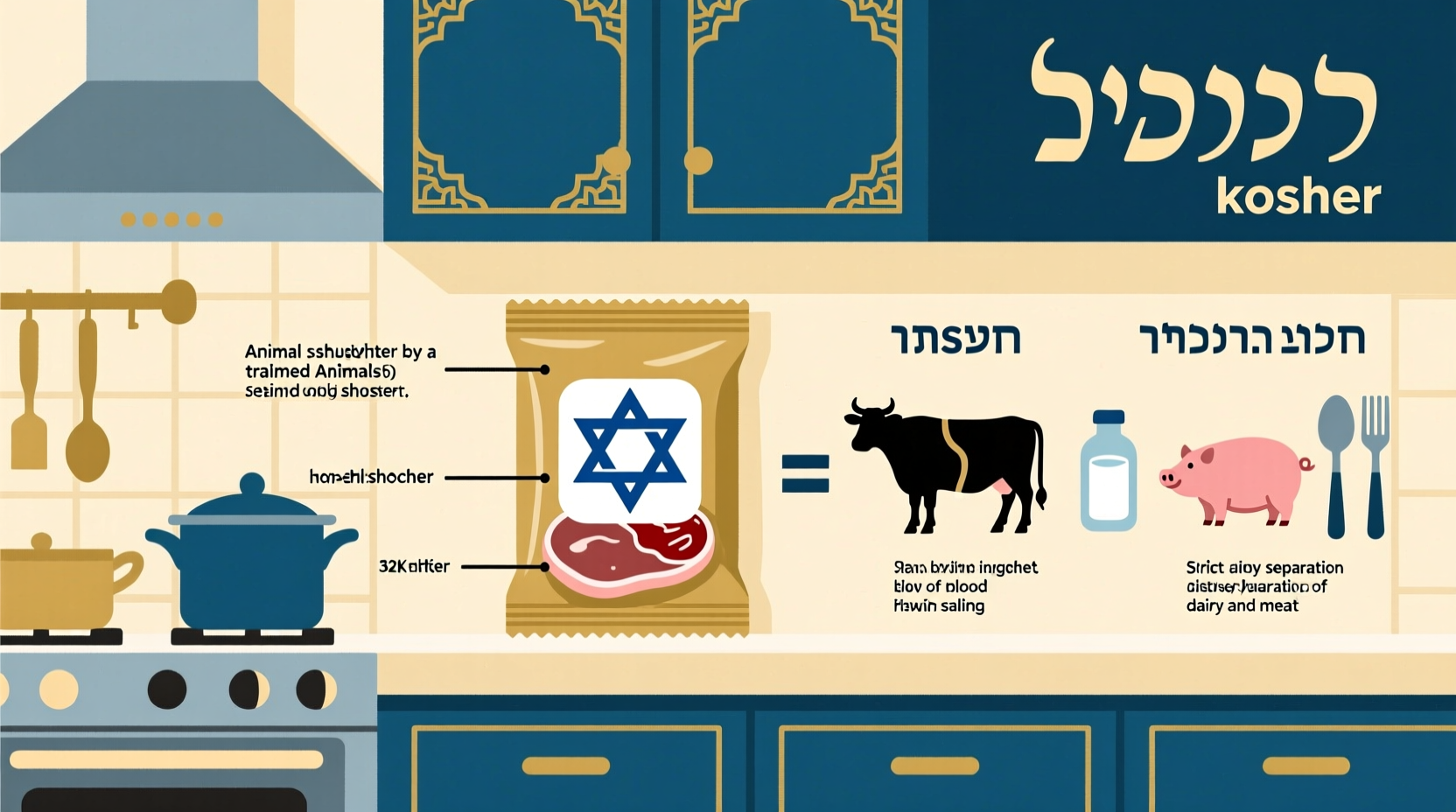
Not every animal makes the cut. Picture a giant, happy cow in a field—that’s a possibility. But a pig rolling in the mud? Nope. Kosher rules are very clear: only animals that both chew their cud and have split hooves are allowed. That’s cows, sheep, and goats. Chickens and turkeys are also on the nice list. It’s like a very exclusive club, and membership is based on ancient rules.
This isn’t just random pickiness. These rules create a mindfulness about what you consume. When you eat a kosher burger, you’re participating in a chain of decisions that started thousands of years ago. It makes you stop and think, Hey, this meal has a story.
The Expert: The Shochet
Here’s where it gets really human. The person who does the slaughtering is called a shochet. This isn’t just a butcher with a cleaver. A shochet is a highly trained, deeply religious person who has studied for years. They learn an immense amount about animal anatomy and compassion. It’s like the difference between a mechanic who just changes your oil and one who rebuilds your whole engine by hand.
The actual cut is made with an incredibly sharp, flawlessly smooth knife. It’s called a chalaf, and it has to be perfect—no nicks, no chips, not even a tiny bump. The shochet makes a single, swift cut across the throat. The goal is to cause the animal to lose consciousness instantly. It sounds intense, but the entire purpose is to minimize any pain. It’s a process built on respect for the animal’s life.
Imagine your neighbor who spends an hour trimming his roses with special shears. That’s the shochet with his knife. Every detail matters because the animal’s dignity matters. That’s a pretty powerful idea, even if you don’t follow the religion.
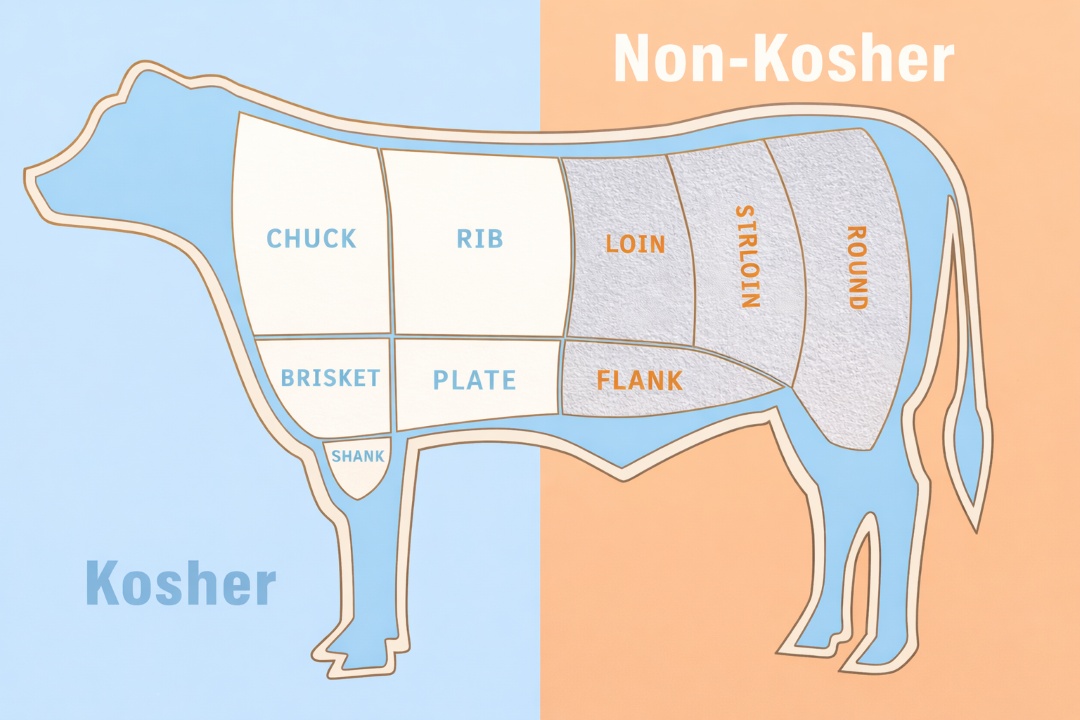 Halal vs Kosher: Essential Differences Every Food Business Should Know

