
First, let’s clear the air. You’ve heard the rule: cook fish until it’s opaque and flakes with a fork. That’s for safety.
But here’s the thing. That rule was written for a world where salmon was maybe a little sketchy. We’ve gotten smarter. And luckier.
Cooking salmon to medium well (about 145°F / 63°C inside) is actually the USDA-recommended temperature. So, yes—technically, it’s safe.
But wait. There’s more nuance than a soap opera season finale. Let’s unpack it.
What “Medium Well” Even Means
Think of it like your friend who runs half-marathons. It’s not raw, but it’s not well-done shoe leather either.
Medium well salmon is cooked through but still slightly translucent in the center. It’s pinkish, not raw-orange. You might see a little white albumin (that gross, chalky protein) oozing out.
That’s totally normal. It’s not a sign of doom. It’s just the fish saying, “I’ve been cooked, but not murdered.”
Wait, Isn’t Raw Salmon Dangerous?
Good question. You eat sushi, right? Raw salmon is a whole thing. But here’s the kicker: sushi-grade salmon is frozen to kill parasites.
Your average grocery store salmon? Probably not frozen to those standards. So cooking it is a good idea.
But cooking it to 145°F kills the bad guys. All of them. Bacteria, parasites, the whole creepy crew.
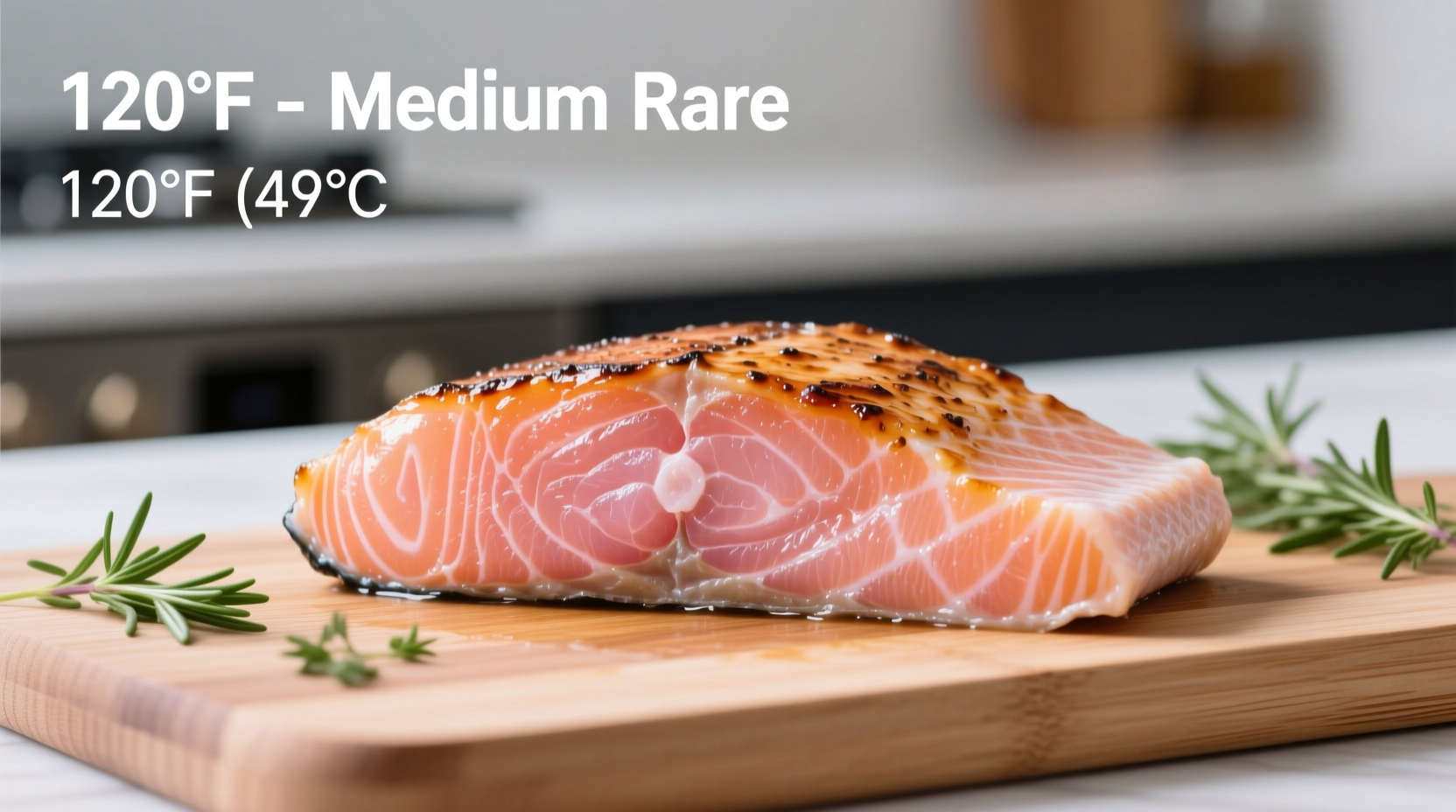 Salmon Cooking Temperature: Why 145°F is the Safe Standard
So from a food safety standpoint, medium well is a firm yes. You won’t die. I promise. Probably.

