If you see just a thin ring of bubbles around the edge of the bowl, like the foam on a flat beer, pause. This usually means the water was too hot and killed some of the yeast, or the yeast is just plain tired from sitting in your pantry for three years.
I remember making cinnamon rolls for a holiday brunch. I used a packet I’d found in the back of the cupboard—expired by a year. After ten minutes, I had a sad, flat puddle. I had to run to the neighbor's house to borrow a fresh packet. She laughed and handed it over, saying, “Yeast is like milk—check the date!”
If you’re unsure after 10-15 minutes, give it a gentle stir. If nothing changes, don’t risk it. Dump it and start fresh. A loaf of dense, heavy bread is not the memory you want to make.
The Time Factor
Patience is a quiet virtue here. Don’t expect foam in two minutes. Good active dry yeast usually takes about 5 to 10 minutes to show its personality. Instant yeast might foam in 3-5 minutes, but sometimes it’s just a gentle fizz.
Set a timer and walk away. Check your phone, water your plant, or pet your cat. Coming back to a bowl of white, lively foam is a small, satisfying victory. It’s like finding a surprise note from your future bread self saying, “You’ve got this.”
If you see nothing after 15 minutes? That’s a red flag. Your yeast is likely dead, and no amount of wishing will bring it back. Toss it, and remember—you didn’t fail, the yeast did.
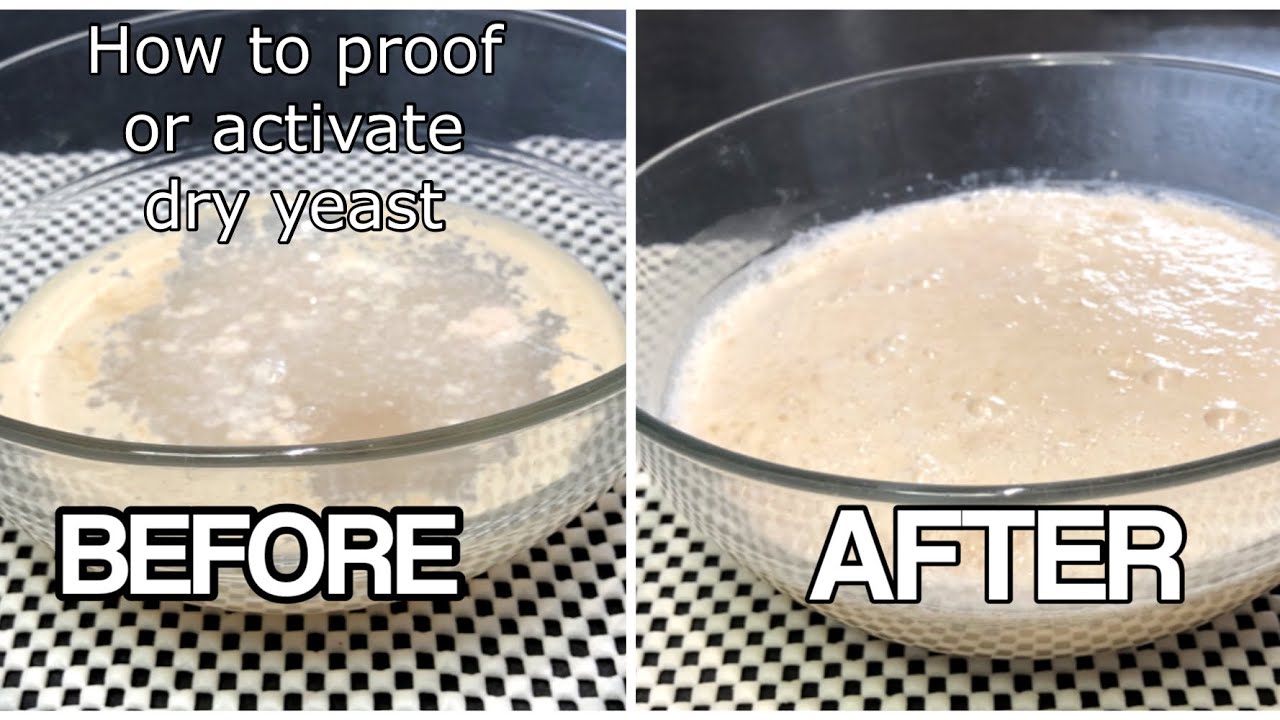 What Does Active Dry Yeast Look Like When Activated | TAFT Independent