
Think of them as the minimalists of biology. They don’t need organs, tissues, or a fancy nervous system. One single cell eats, breathes, moves, and even reproduces. It’s like living in a tiny studio apartment that’s also your kitchen, gym, and nursery.
These organisms are everywhere—in your gut, in the ocean, even in boiling hot springs. And they’ve been around for billions of years. If you’re looking for resilience, look no further.
1. Amoeba Proteus
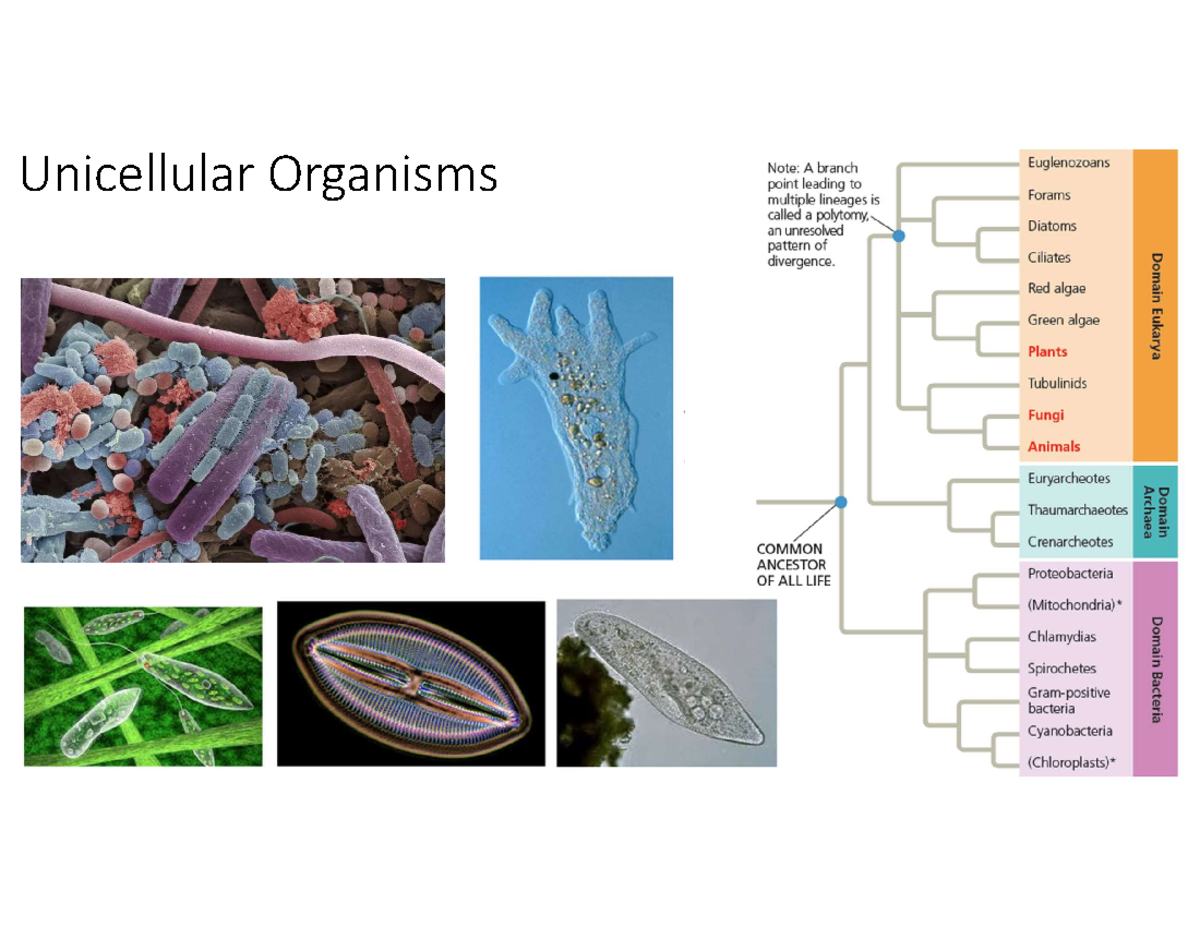
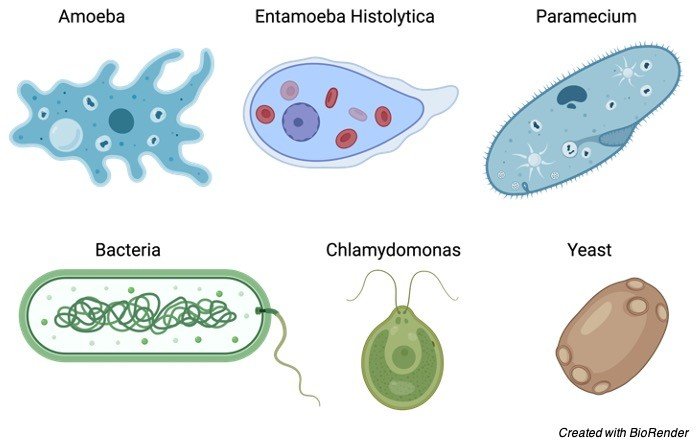
You’ve probably seen this one in a textbook. It looks like a blob that constantly changes shape. That’s because it uses pseudopods (fake feet) to crawl and hunt for food. Imagine walking by oozing your whole body forward—weird, but effective.
2. Paramecium
This little slipper-shaped fella is covered in tiny hairs called cilia. It beats them like oars to swim around. If you were a Paramecium, you’d be rowing your own boat every single second.
3. Euglena
Here’s a rebel—part plant, part animal. It has chlorophyll to photosynthesize like a plant, but also a little tail (flagellum) to swim away from danger. Talk about having options.
4. Yeast (Saccharomyces cerevisiae)
Yes, the stuff that makes bread rise is an organism. It’s a fungus that’s just one cell, but it’s a hard worker. It ferments sugars and gives us beer, wine, and fluffy croissants. Who knew a single cell could be so generous?
5. E. coli (Escherichia coli)
Don’t panic—most strains are harmless. In fact, they live in your gut and help you digest food. They’re like tiny, invisible roommates that clean up after your meals. Sure, a few are troublemakers, but the majority are team players.
 Self Study- Unicellular Organisms - Unicellular Organisms Learning
6. Diatoms
These are like glass houses floating in the ocean. They have transparent silica shells that look like tiny jewelry boxes. Diatoms produce about 20% of the Earth’s oxygen. So, next time you breathe, thank a diatom.
7. Volvox
Volvox is a colony of thousands of cells that work together. But each cell is still a single organism. It’s like a tiny green soccer ball rolling through water. And it’s actually alive—just chilling, doing its thing.
8. Trypanosoma
This one’s a bit of a villain. It’s the parasite that causes sleeping sickness. It has a wavy membrane that makes it look like a dancing ribbon. Not friendly, but fascinating from a distance.
9. Giardia lamblia
Ever heard of “beaver fever”? That’s this little guy. It’s a pear-shaped parasite with a sucky disc—literally. It sticks to your intestine and causes trouble. But from a design perspective, it’s a master of attachment.
10. Cyanobacteria (Blue-Green Algae)
These are the original oxygen producers. They invented photosynthesis billions of years ago and changed the atmosphere forever. Without them, we wouldn’t be here. They’re basically the ancient engineers of Earth.
 Unicellular Organisms Examples – QSASHY
11. Plasmodium
This is the parasite that causes malaria. It’s transmitted by mosquitoes and is incredibly sneaky. It hides inside your red blood cells. Not cool for humans, but a brilliant survival strategy for a single cell.
12. Stentor
This one looks like a trumpet. It’s huge for a single cell—you can almost see it with your naked eye. It uses its cilia to create a whirlpool that sucks in food. Imagine having a built-in vacuum cleaner.
13. Spirogyra
A green filamentous algae that feels slimy to touch. It’s a chain of single cells, each with a spiral-shaped chloroplast. It’s like a living green spring floating in freshwater ponds.
14. Radiolarians
These are ocean drifters with stunning mineral skeletons. They look like tiny crowns or snowflakes made of glass. Ancient radiolarians became the sediment that forms chert rock. Even dead, they build mountains.
15. Foraminifera
Also called “forams,” these have shells made of calcium carbonate. They live on the ocean floor and leave fossils that help scientists date rocks. They’re like tiny geologists that don’t even own a hammer.
 Unicellular Organisms List
16. Entamoeba histolytica
Another parasite, but this one causes dysentery. It’s an amoeba that literally eats into the lining of your gut. Gruesome, but proof that a single cell can be a serious predator.
17. NexM (just a fictional placeholder—but sounds cool, right?)
Actually, let’s keep it real. There are millions of unicellular species we haven’t named. Every drop of seawater holds a universe of them. You’re never alone—even when you think you are.
18. Methanogens
These are archaea (not bacteria) that produce methane gas. They live in swamps, cow stomachs, and deep-sea vents. They’re the reason your burps and farts can be scientifically studied. Weird, but useful.
19. Halobacterium
This one loves salt. It thrives in salt ponds that would kill most life. It has a purple pigment that captures light. Think of it as a solar-powered raver in a salt crystal.
20. Mitochondrion (Bonus)
Wait, this one is an organelle, not a full organism. But billions of years ago, it was a free-living bacterium. It got swallowed up and became the power plant of your cells. So, you carry a tiny unicellular ancestor inside every single one of your cells. How’s that for a mind-blowing plot twist?
And there you have it—twenty tiny powerhouses. Next time you feel insignificant, remember: you’re a walking colony of trillions of single-celled stories. That’s pretty awesome, right?

