First, don’t treat them like oatmeal. Grits are a side dish, not a breakfast main. Southerners eat them with eggs, bacon, or sausage—think of them as the creamy base that soaks up all the greasy, salty goodness. You can also eat them for dinner, draped in gravy, or even cold, sliced, and fried (that’s called grit cakes, and it’s genius).
If you’re a New Yorker, you might be repulsed by the texture—it’s like eating a bowl of liquid sand. But stick with it. Add a pinch of black pepper, a handful of cheddar, and you’ll suddenly understand why people wait in line at 7 AM for them.
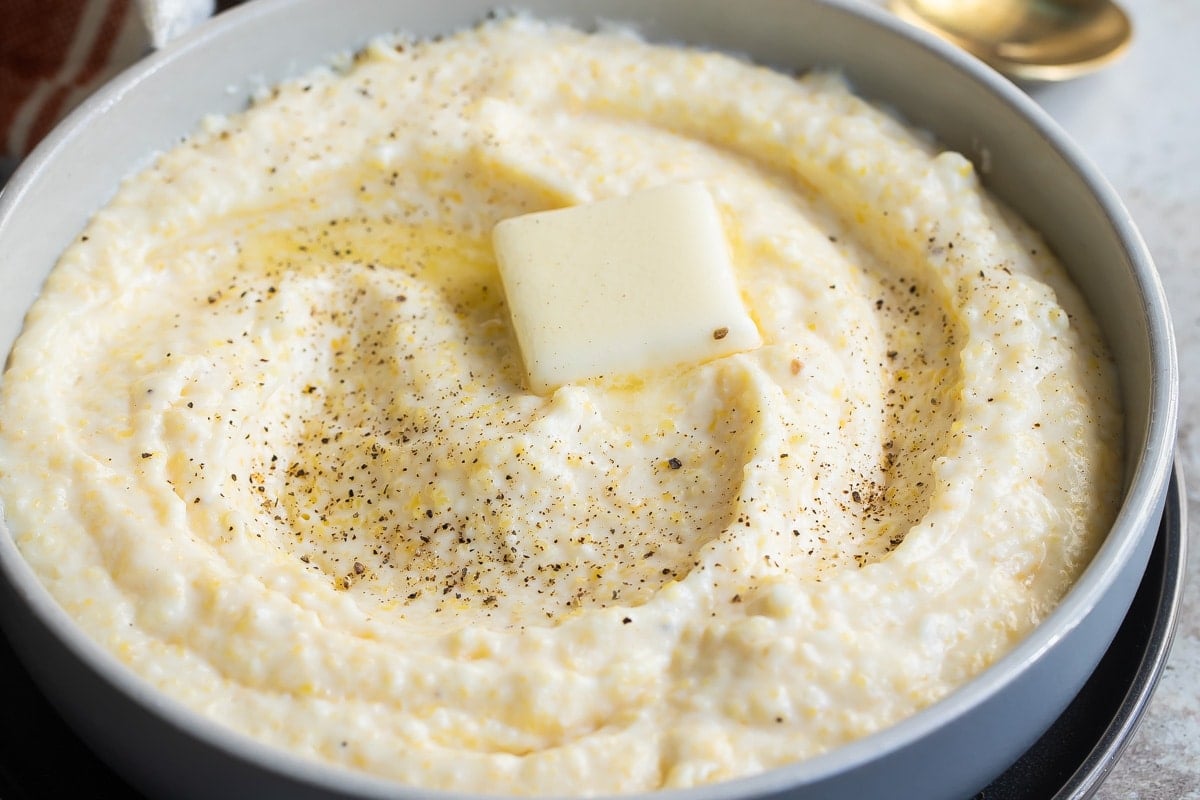 How to Make Grits - Culinary Hill
One time, I served grits to a friend from Boston, and he stared at them like I’d offered him a plate of soggy cardboard. He took one bite, added hot sauce, and then cleaned the bowl. The moral? Grits are a blank canvas—you can dress them up or leave them plain, but they’ll always respond to love (and cheese).
The Bottom Line: Are They Worth It?
Absolutely. Grits are nostalgia in a bowl. They taste like lazy Sundays, grandmas’ kitchens, and diners with worn-out booths. They’re made from simple, dried corn, but they carry a story of survival, resourcefulness, and deliciousness.
Next time someone asks, “What’s that yellow mush?” you can smile and say, “It’s ground hominy, soaked in lye, boiled until creamy, and served with a side of history.” Or just say, “It’s corn that decided to become a hug.” Either way, you’ll be right.
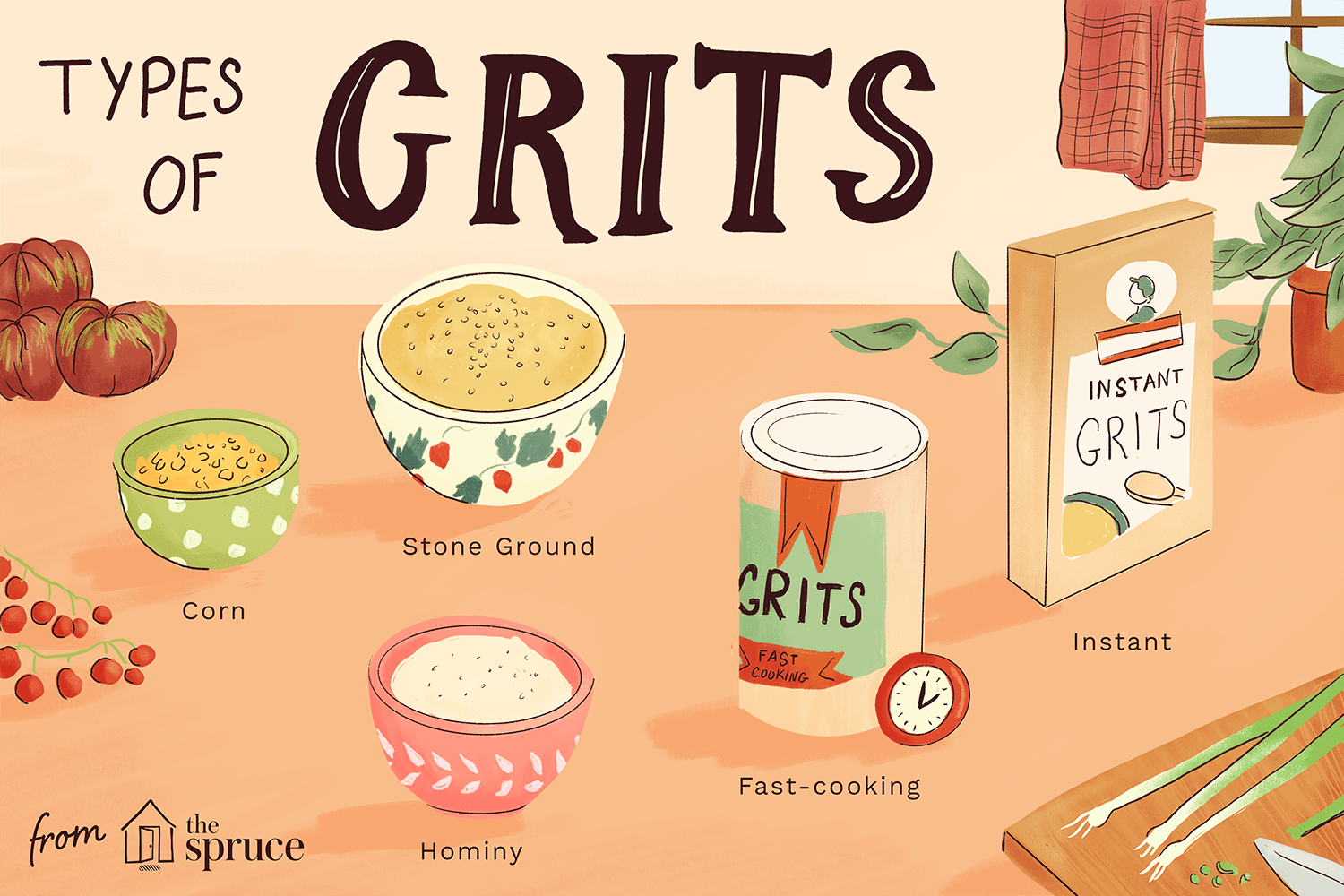
Now go buy a bag. Just avoid the instant kind—unless you’re camping and have no other hope. Your taste buds will thank you, and your waistline might too. Shrimp is optional, but butter is not.