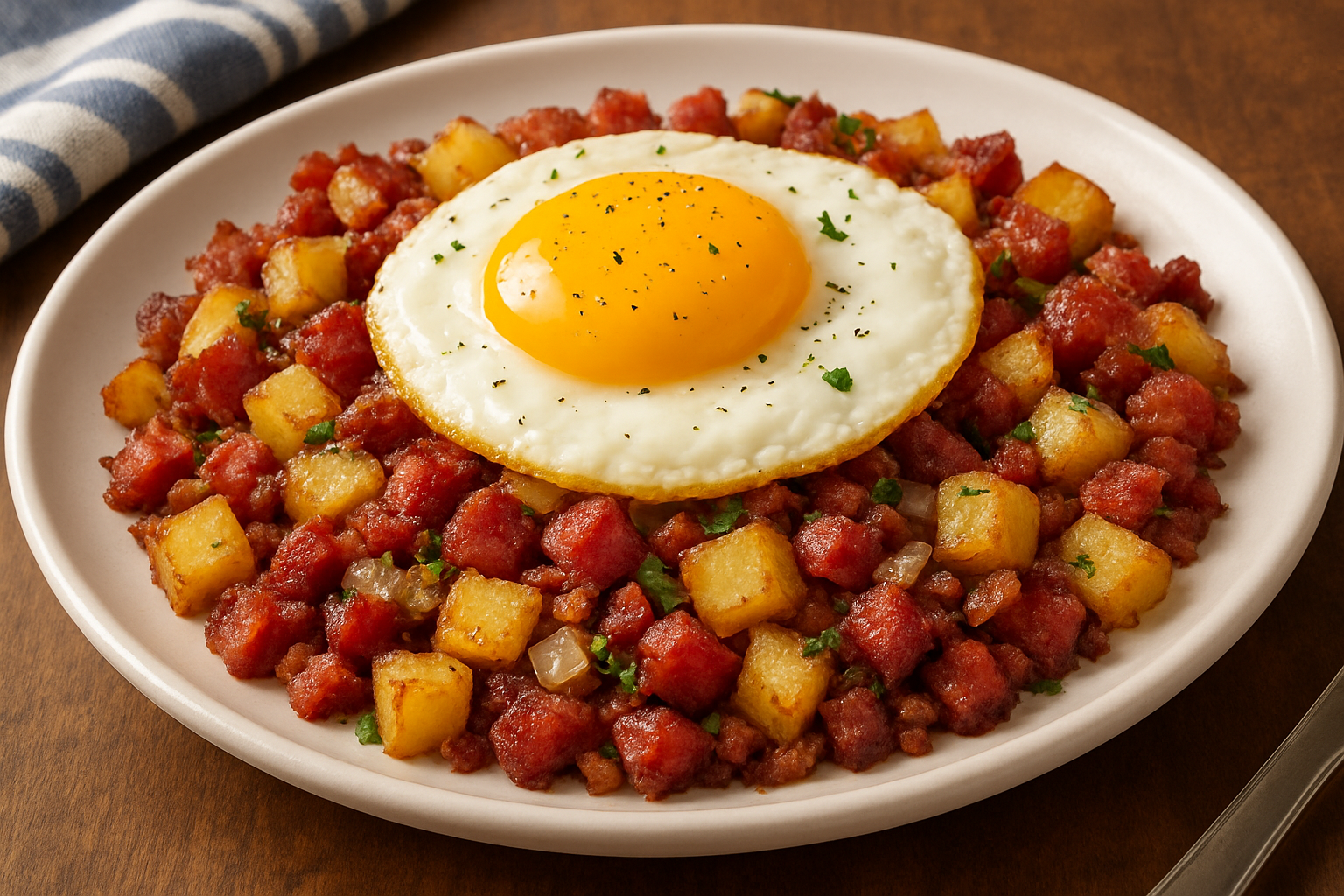
Here’s the first curveball: in Ireland, “corned beef” as a Sunday staple doesn’t really exist. The traditional Irish counterpart is bacon—specifically, a cured, unsmoked cut of pork called “back bacon” or “Irish rashers.” Boiled bacon and cabbage was the humble, celebratory meal.
So why did Irish immigrants in America switch to beef? Simple economics. In 19th-century New York, beef brisket was cheaper and more readily available than the pork cuts they knew from home. Jewish and Irish neighborhoods often overlapped, and the salt-cured brisket from kosher delis became a budget-friendly stand-in.
This is where the “corned” part comes in. The word refers to the large grains of salt (“corns” of salt) used to cure the beef, not actual corn. Fun fact: this curing method is ancient, but the term “corned beef” became popular in the British Isles before making its transatlantic leap.
The Hash: A Leftover Legend
Now, the hash part is a pure, beautiful accident of thrift. Any good cook hates waste, so leftover corned beef from St. Patrick’s Day dinner got chopped up with boiled potatoes and onions. A quick pan-fry in butter or bacon fat created a crispy, golden, one-pan miracle.
This isn’t a “recipe” you’d find in a Dublin grandmother’s notebook. It’s a dump-and-fry classic born in American boarding houses and diners. It became a staple not because it was nostalgic, but because it was cheap, filling, and handled a hangover like a champ.
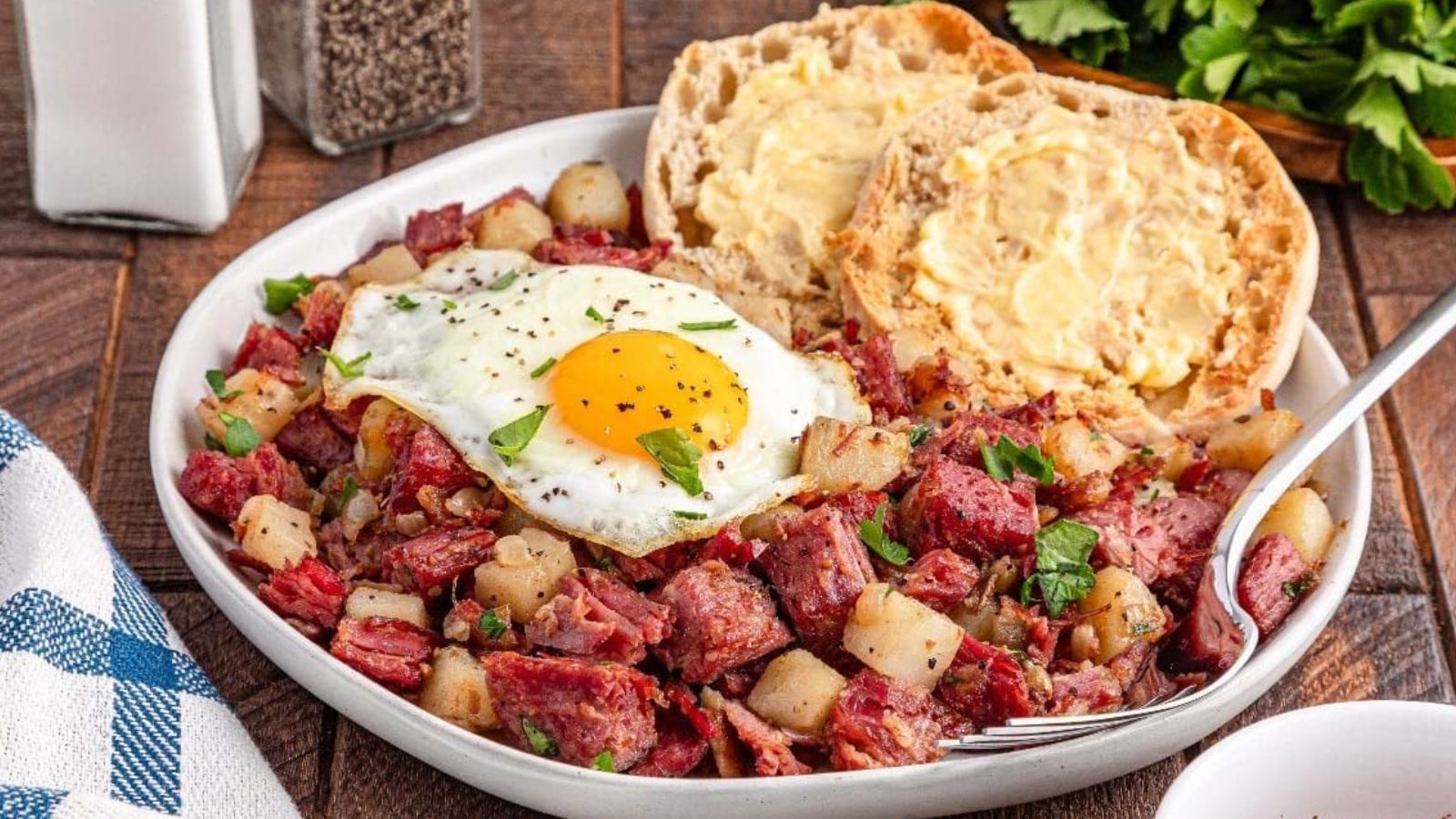 15 Easy St. Patrick’s Day Foods Fit for a Cozy Pub Night
Practical tip: Want the best hash texture? Use day-old, cooled potatoes. Hot, fresh potatoes will turn to mush. Cold spuds hold their shape and get that perfect, crunchy crust.