
Most people forget that potatoes come with a built-in sidekick: fiber. A potato with the skin on delivers about 4 grams of fiber, which is more than a bowl of oatmeal.
Fiber is the traffic cop of your digestive system. It slows down the absorption of those carbs, preventing the blood sugar spike that makes you want to nap under your desk by 2 p.m.
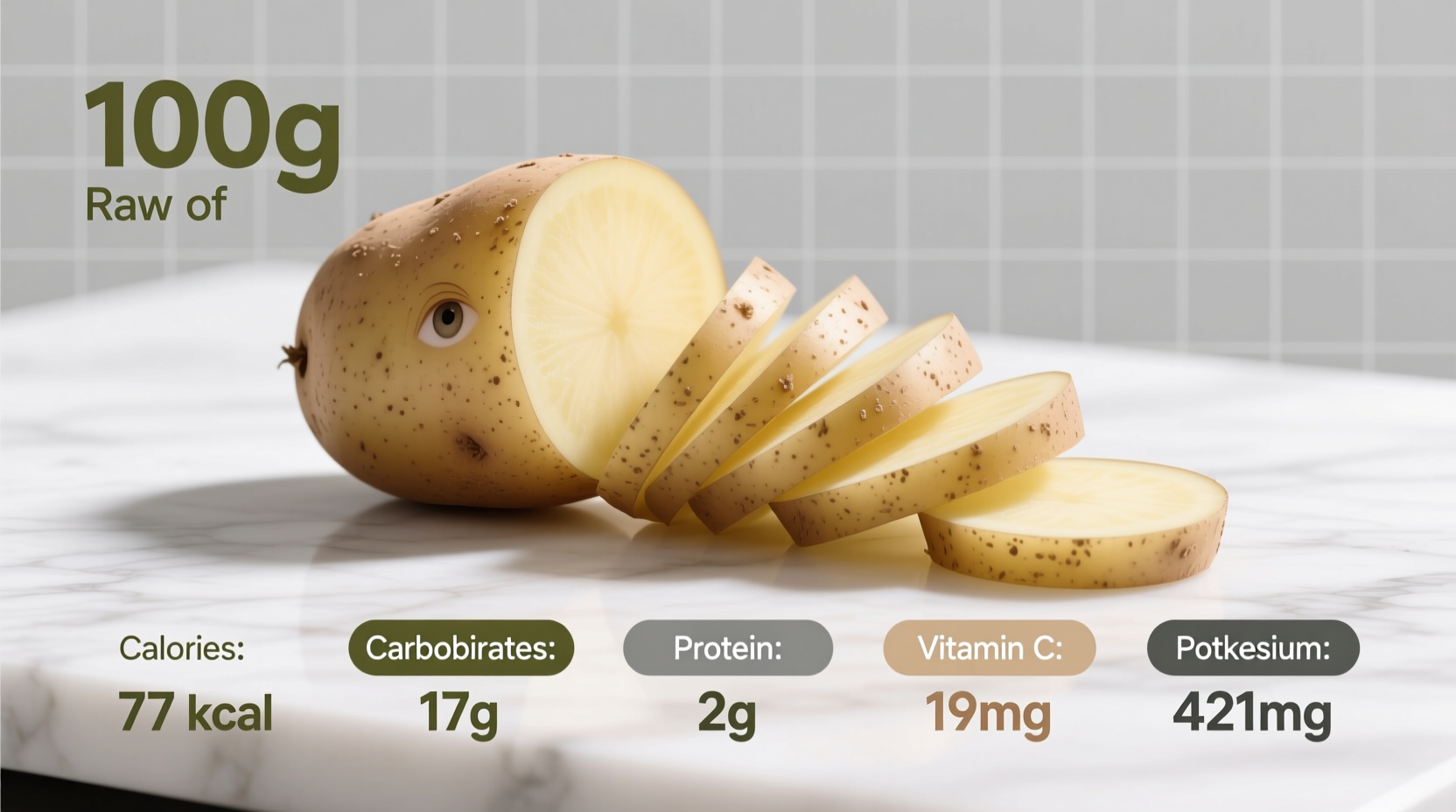 Potato Carbs Per 100g: Exact Values & Nutrition Facts
So, yes, it’s high in carbs, but it’s a team player. It doesn’t just arrive, cause chaos, and leave. It brings friends that help you feel full and stay steady.
The Glycemic Index: The Real Villain?
If you want to get technical, the problem isn’t the carb count—it’s the glycemic index (GI). Potatoes have a high GI, meaning they can spike your blood sugar quickly.
But here’s the kicker: that spike depends entirely on how you eat them. Eat a boiled potato with some butter and a chicken leg? The fat and protein slow everything down like a Sunday driver on a highway.
Eat a plate of plain, piping-hot mashed potatoes all by yourself while watching sad movies? Yeah, that’s a glucose roller coaster. But that’s not the potato’s fault—that’s a lifestyle choice, my friend.

