
Yes, actually. You have options, you brave condiment warrior.
Vegenaise or other vegan mayos? They vary wildly. Some are lower in sodium, some are higher. Read the label. Always read the label. One brand of vegan mayo has only 65mg per tablespoon—winning.
There are also “low sodium” or “no salt added” versions out there. They exist. They’re often a little more expensive and taste slightly less punchy. But your arteries will send you a thank-you card.
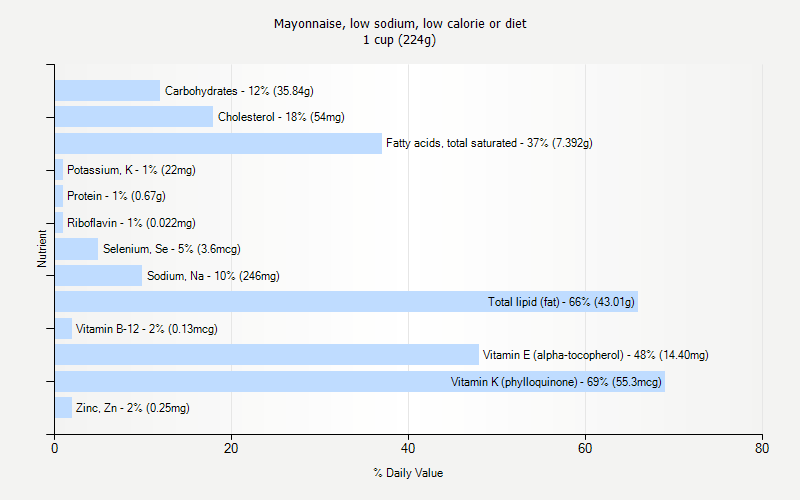 Mayonnaise, low sodium, low calorie or diet nutrition
And then there’s the wild card: homemade mayo. You control the salt. A single clove of garlic, one egg yolk, some lemon juice, and a slow drizzle of oil. You can add a tiny pinch of salt or go totally rogue and skip it. Boom. You’re a mayo master.
The Real Talk: Context Is King
Let’s be real for a second. Mayo isn’t the villain in your kitchen. The real sodium monsters are soy sauce, canned soups, frozen dinners, and bread (yes, bread!). A single slice of white bread can have 150mg. Two slices of bread plus a tablespoon of mayo? That’s 300mg before the filling.
So, is mayo high in sodium? Yes, but it’s also delicious and adds value to your life. The problem isn’t the mayo. It’s the stack. It’s the combo of mayo + bread + processed meat + cheese + pickles + ketchup. That’s a sodium avalanche.
If you love mayo—and I do, deeply—just use it smartly. Measure it. Don’t eyeball it like you’re painting a fence. Use a half-tablespoon if you’re feeling fancy. Or swap half the mayo for plain Greek yogurt or mashed avocado. Your taste buds won’t even notice. Your blood pressure will applaud.
So, end of story? Mayo is moderately salty. Not a disaster, not a health food. Just a creamy, glorious, middle-of-the-road condiment. Use it wisely, laugh at the light mayo scams, and never apologize for a good sandwich. Cheers, friend.

