Where Does Cherry Grow
Okay, so you want to know where cherries actually come from? Not the bucket at the supermarket, but the real deal. Grab your coffee, because this is a juicy little story. Fir...
Okay, so you want to know where cherries actually come from? Not the bucket at the supermarket, but the real deal. Grab your coffee, because this is a juicy little story.
First, let’s clear something up. Not all cherries are created equal. You’ve got your sweet cherries (the ones you pop in your mouth like candy) and your sour cherries (the ones that make the best pies and make your face pucker). They have very different addresses.
Let’s start with the sweet ones. Think sunshine, think warm afternoons, think… California? Bingo. California is the heavyweight champion of sweet cherries in the U.S. They drop the first bombshell crops in late spring, and they’re glorious.
But wait, there’s a challenger. Washington state rolls in a few weeks later with their massive, dark Bing cherries. These things are like the muscle cars of the fruit world. They’re big, they’re bold, and they’re ridiculously sweet.
Oregon is the quiet, very cool third cousin in this group. They grow some beauties too, especially in the Hood River Valley. Ever eaten a cherry and felt like you were on a postcard? That’s Oregon.
Now, let’s hop the big pond. Europe is where the cherry party started, you know. The sweet cherry likely originated near the Caspian and Black Seas. So, think Turkey, think Iran, think the wild hills of the Caucasus.
Turkey is an absolute beast when it comes to cherry production. They grow more cherries than almost anyone else on the planet. They’ve been doing it for thousands of years. Respect the OG.
Italy and Spain are the European playboys of cherry growing. They have these tiny, incredibly sweet varieties that taste like summer in a red skin. You might pay a fortune for them at a fancy market, and they’re worth it.
Don’t sleep on Chile, though. When it’s winter in the Northern Hemisphere, guess who’s having a cherry explosion? Chile. They ship their bright red specimens to us in December. It feels like cheating, and I love it.
Now, the sour cherry is a completely different stubborn beast. It’s not trying to be sexy. It wants to be tough. These trees can handle cold winters—like, really cold, Midwest-level cold.
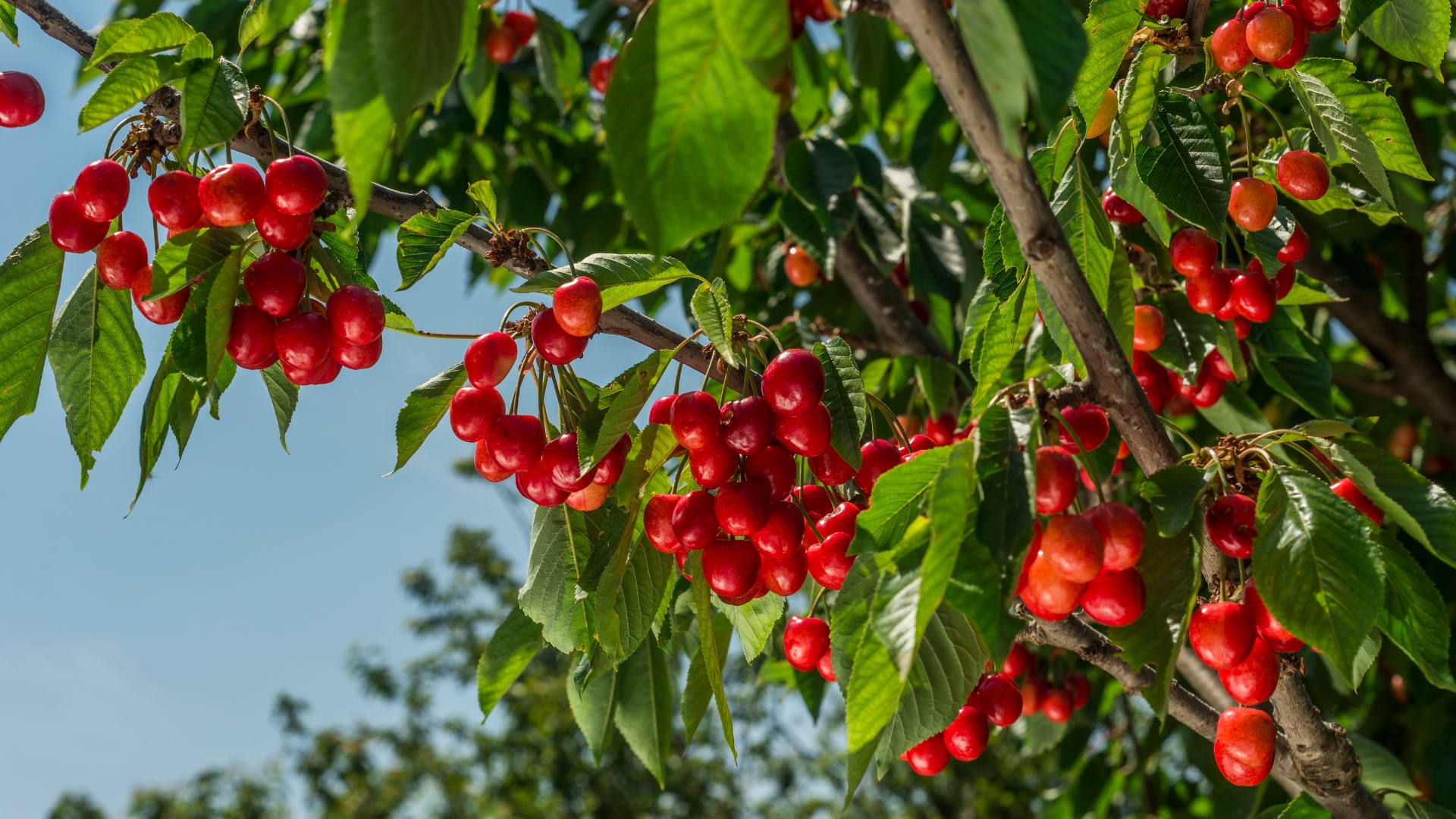 Here’s How To Plant And Care For A Cherry Tree As It Grows In Your Backyard
Where do sour cherries thrive? Michigan. Oh my gosh, Michigan. Specifically the area around Traverse City—they call it the Cherry Capital of the World. They’re not joking.
Sour cherries also grow really, really well in Eastern Europe. Poland, Ukraine, Russia—they produce mountains of them. They turn them into juice, preserves, and that dark, magical syrup you pour on pancakes.
So what’s the secret sauce for a cherry tree? It’s kind of a diva, honestly. They need a period of winter chill—a certain number of cold days—to wake up and set fruit. No chill, no cherries. Simple math.
They also hate sitting in wet feet. Well-drained soil is non-negotiable. If the soil stays soggy, the tree gets sad and throws a fungus party. Nobody wants that party.
Full sun is a must. These trees want to bask like they’re on a beach in the Maldives. Six to eight hours of direct sunlight, please. They’re not asking for much, just the sky’s best real estate.
Birds? Oh, birds are the enemy. Seriously, if you plant a cherry tree, every robin and blue jay in the county sends out a group text. You will have a feathery invasion. Netting is your only friend.
Here’s a wild thought: most cherry trees can’t pollinate themselves. You often need a second tree nearby. It’s like they need a wingman for romance. One tree gets lonely and fruitless.
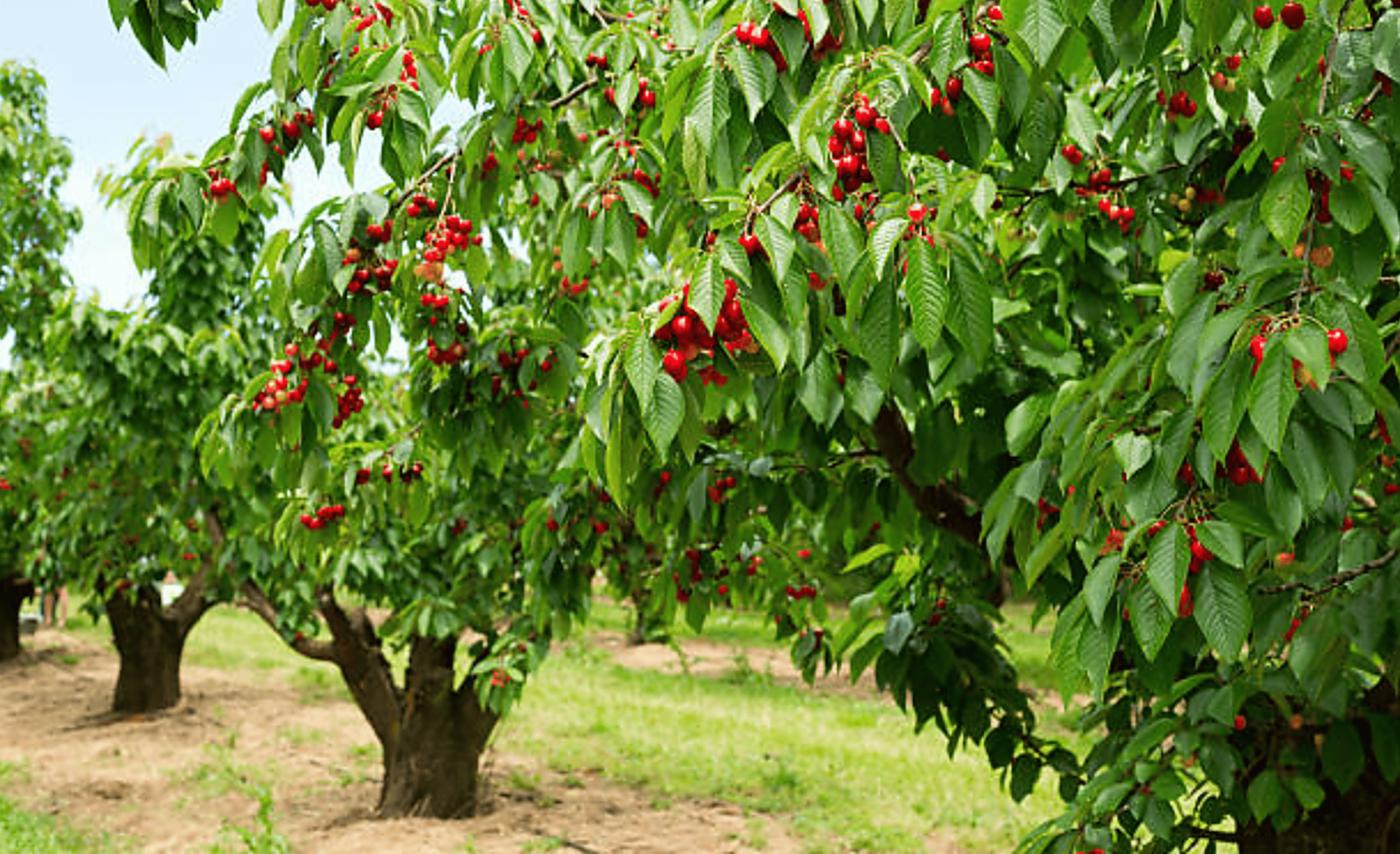 How To Grow A Cherry Tree - The Survival Way
So, back to the big question. Where does cherry grow? The short answer is: on a tree that is very picky about its vacation spot. It needs a mediterranean-ish vibe but with a cold winter nap.
That limits the cherry-growing map to specific slices of the world. You aren’t finding great cherries in the deep tropics. Miami is great for mangoes; terrible for cherries. Don’t even try.
But when the stars align—the right chill hours, the perfect drainage, a little afternoon breeze—the tree explodes with these little red jewels. It’s worth the fuss, isn’t it?
Ever find yourself standing at a farmers’ market, staring at a box of local cherries? Check the tag. Is it from a cold valley in Utah? A high plain in Colorado? A secret patch in New York?
That’s the fun part. Cherries are a local story. They don’t travel perfectly across the whole world. The best ones are the ones you eat about an hour after they were picked. Just saying.
So next time you bite into a cherry, think about the journey. The cold winter. The sunny spring. The nervous farmer watching the sky for rain. And those stupid birds. It’s a whole little drama.
Where does cherry grow? Everywhere it can get a good night’s sleep in the cold and a sunbath in the heat. Which, honestly, sounds like a pretty good life to me. Want another cup of coffee?