What Liquids Don't Freeze
You know that sinking feeling. You’ve prepped a fancy salad for a picnic, only to find the vinaigrette has turned into a sad, solid block in the cooler. Or worse, you open the...
You know that sinking feeling. You’ve prepped a fancy salad for a picnic, only to find the vinaigrette has turned into a sad, solid block in the cooler. Or worse, you open the freezer for a shot of vodka after a long week, and it’s just a slushy, disappointing mess. We’ve all been there, staring at our frozen hopes and asking: what liquids actually have the guts to stay liquid when everything else turns to ice? The answer is more fun than you’d think, and it involves everything from car engines to your grandma’s cough syrup.
Let’s start with the obvious hero of the kitchen: alcohol. Pure ethanol won’t freeze until it hits a bone-chilling -173°F, which is colder than the surface of Mars during a bad winter. That’s why your bottle of Everclear sits smugly in the freezer while the juice beside it turns into a popsicle. But here’s the kicker—most booze, like your standard 80-proof whiskey, has enough water to freeze into a thick, syrupy slush at around -10°F. So next time your whiskey gets a little grainy in the freezer, just remember: it’s not broken, it’s just being dramatic.
Now, antifreeze might sound like a boring car thing, but it’s actually a genius party trick for your radiator. The stuff in your car’s coolant (ethylene glycol) can stay liquid down to about -30°F. That’s why your car doesn’t explode into a frozen sculpture when you park it outside in a blizzard. And let’s be real—if you’ve ever accidentally left a can of soda in the car overnight during a polar vortex, you’ll appreciate any liquid that doesn’t betray you by turning into a messy, sticky bomb.
You might not think about it, but your refrigerator is basically a liquid hero too. The compressed gas inside your fridge, like R-134a, doesn’t freeze at normal freezer temps because it’s under pressure. It’s the unsung workhorse that keeps your ice cream solid while staying liquid itself. Honestly, it’s like that one friend who can party all night and still be functional the next morning—while everyone else is a wreck.
Here’s a weird one: liquid nitrogen. Yeah, it sounds like a supervillain’s weapon, but it’s technically a liquid at room temperature only because it’s stored at -320°F. Once you let it out, it boils away instantly instead of freezing solid. So it doesn’t “freeze” in the usual sense—it just vanishes like a magician’s act. I’ve seen chefs pour it into a bowl of cream to make instant ice cream, and it’s the closest thing to wizardry you’ll ever witness in a kitchen.
 Freezing Liquids Experiment
What about the stuff you actually drink? Try salted water. Ocean water can freeze, but only if it’s really, really cold—around 28°F for seawater. That’s why icebergs are made of fresh water; the salt gets pushed out as ice forms. So if you’re stuck on a desert island with a salty lagoon, you can drink the melted ice, but don’t count on the liquid itself to stay slushy. It’s a bit like a stubborn friend who refuses to admit they’re tired until they collapse.
And then there’s maple syrup. Pure maple syrup is about 66% sugar, which lowers its freezing point to around -10°F. So if you’ve ever forgotten a bottle of real syrup in the freezer (guilty as charged), you’ll find it’s still pourable, just thick and reluctant—like a slow-motion river of sweet regret. Meanwhile, the fake stuff (corn syrup) freezes harder, proving that authenticity does have its perks.
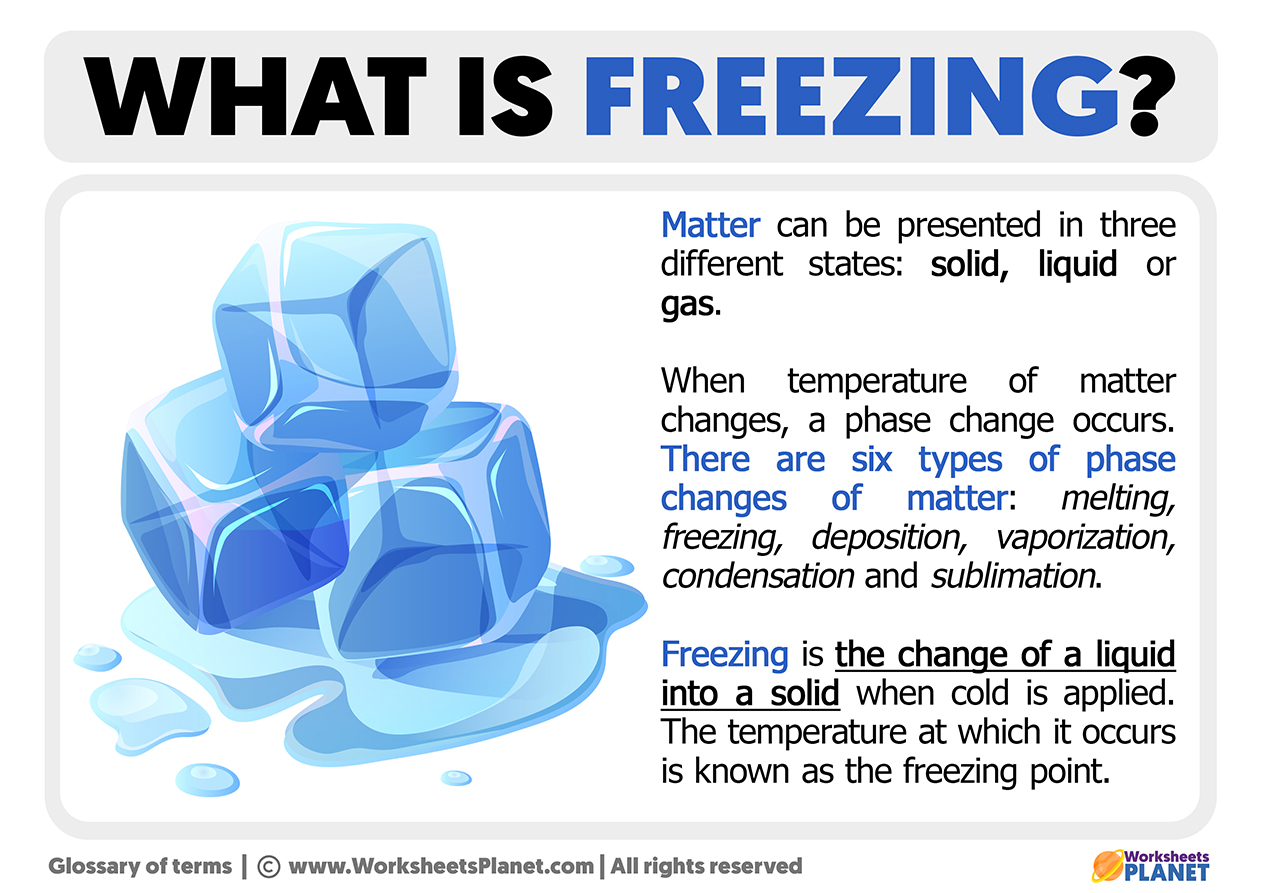 Images Of Freezing
Let’s not forget glycerin, the unsung hero of your bathroom cabinet. It’s in toothpaste, shaving cream, and even some cough syrups. Pure glycerin freezes at about -37°F, meaning it can sit in a freezer next to a bag of peas and not even flinch. It’s basically the liquid equivalent of that chill person who wears shorts in a snowstorm.
Here’s a practical one: propane. Ever used a propane grill in winter? Liquid propane stays liquid at -44°F under pressure, which is why you can still cook burgers when it’s freezing outside. But careful—if you let it out, it turns into a gas that’s extremely flammable. So don’t try to make a propane slushie. I think we all learned that lesson from that one YouTube video.
So what have we learned? Most liquids freeze, but the cool ones—booze, antifreeze, liquid nitrogen—are the rebels of the molecular world. They defy the cold with sugar, salt, pressure, or pure chemical attitude. Next time your wine cooler turns into a popsicle, just pour yourself a shot of vodka, thank your car’s radiator, and remember: some liquids are born to chill without ever freezing.