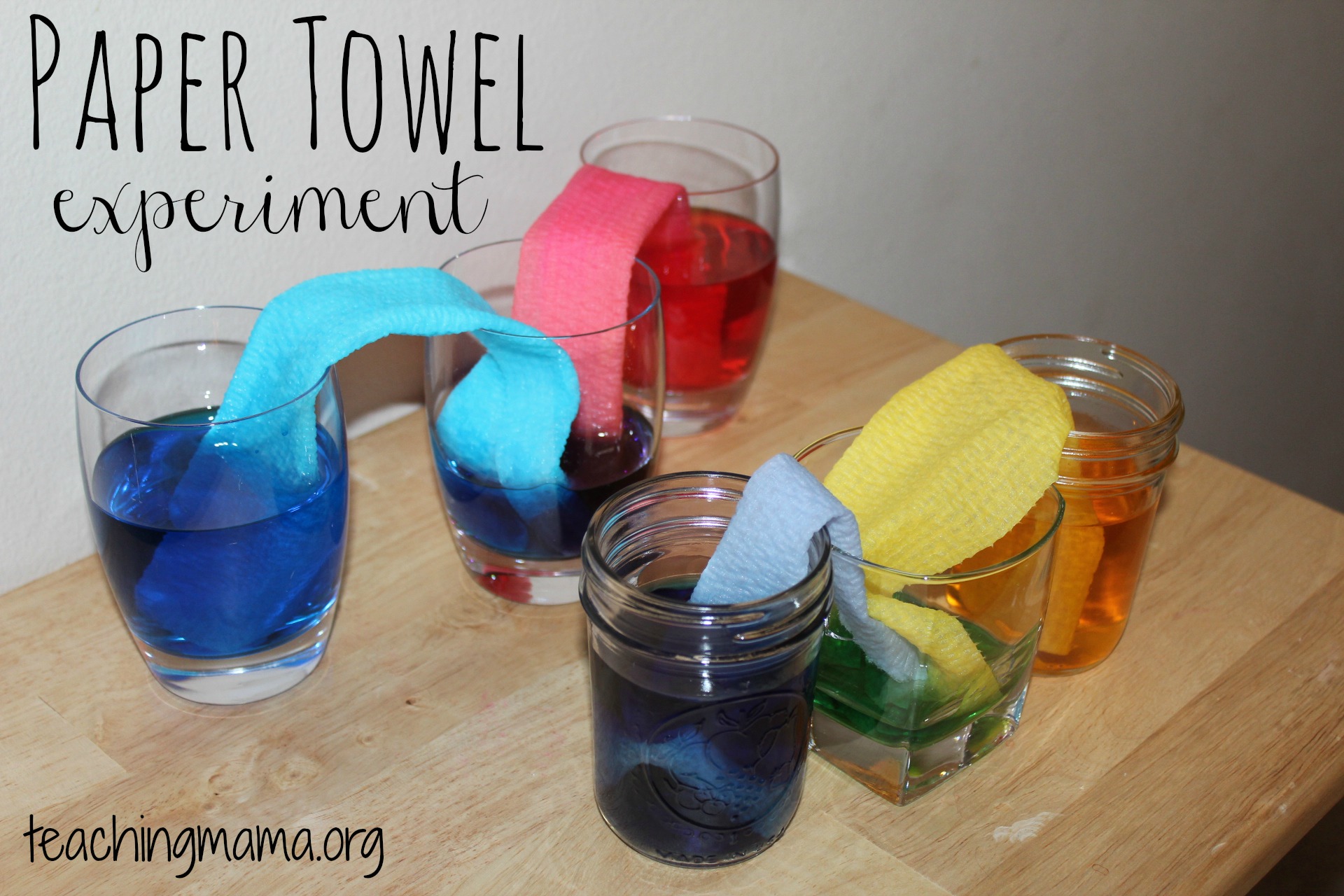
Let’s get one thing straight: paper towels aren’t just flat paper. They’re puffy, loopy, and deliberately designed to be rough. Run your finger over one—feel that texture? That’s not a mistake.
That roughness comes from a process called “creping.” The paper is scraped off a heated cylinder, creating those tiny folds and air pockets. (Yes, manufacturers literally wrinkle paper on purpose, isn’t that ironic?)
Those wrinkles are what give the towel its superpower: capillary action. It’s the same force that lets a sponge drink up a spill, or a straw pull your soda upward. Annoying when it ruins your shirt sleeve—awesome when it saves your floor.
Capillary Action: It’s All About the Tiny Tubes
Imagine a thousand microscopic drinking straws packed into that one paper towel sheet. That’s basically what you’ve got. The fibers in the towel create thin channels, and water loves to wriggle into them.
Why? Because water molecules are clingy—they stick to each other (cohesion) and to the towel fibers (adhesion). The adhesion pulls the water into the tiny spaces, and cohesion drags the rest of the water along for the ride.
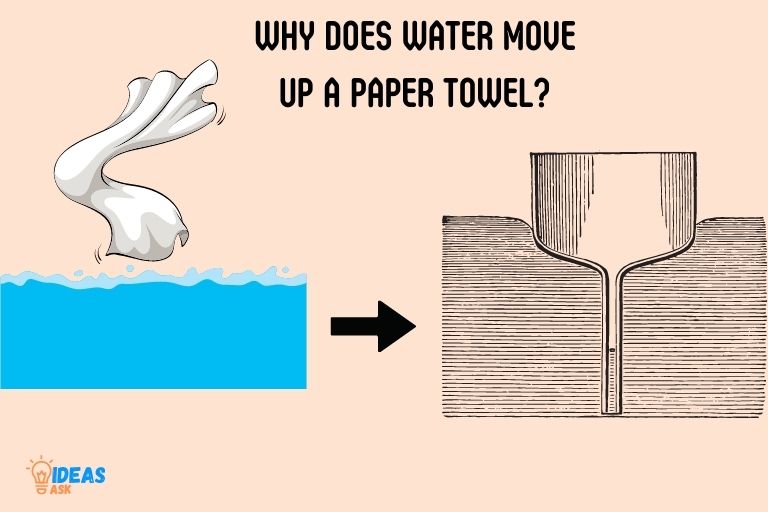 Why Does A Folded Paper Towel Absorb More Water at Daryl Pulver blog
It’s like a conga line of H₂O molecules, all holding hands and moving together into the paper. (Go ahead, picture that conga line—I’ll wait. It’s oddly satisfying, right?)

