
First things first: yes, grilled onions are genuinely good for you—but only if you don’t smother them in butter and salt until they look like a heart attack waiting to happen. An average onion packs almost no fat, only about 60 calories, and a serious amount of vitamin C, B6, and manganese. Think of them as the unassuming superhero of the barbecue, hiding antioxidants called flavonoids (quercetin, to be fancy) that fight inflammation.
But wait—grilling changes the chemistry in a fun way. Heat breaks down those harsh sulfur compounds that make you cry, turning them into sweeter, more digestible sugars. So while you lose a tiny bit of vitamin C (heat is a vitamin thief, the little rascal), you gain more prebiotic fibers that feed your gut bacteria. Translation: your belly bacteria throw a tiny party every time you eat a grilled onion.
The “But Isn’t It Burnt Carcinogens?” Panic
Ah, the classic <em>burnt-food-scare</em> comment. Yes, charring anything at high heat can create acrylamide, a compound linked to potential cancer risks in animal studies. But here’s the thing: grilled onions barely form acrylamide compared to, say, burnt bread or fries, because onions are mostly water and low in starch. You’d have to eat a whole bucket of charcoal-colored onions for it to matter. So unless you’re purposely incinerating them into black crisps, you’re fine—just let them get golden, not apocalyptic.
Also, irony alert: the same quercetin that makes onions healthy helps protect your cells from the damage caused by overcooking. It’s like your onion has a tiny bodyguard inside. Pretty metal for a vegetable, right?
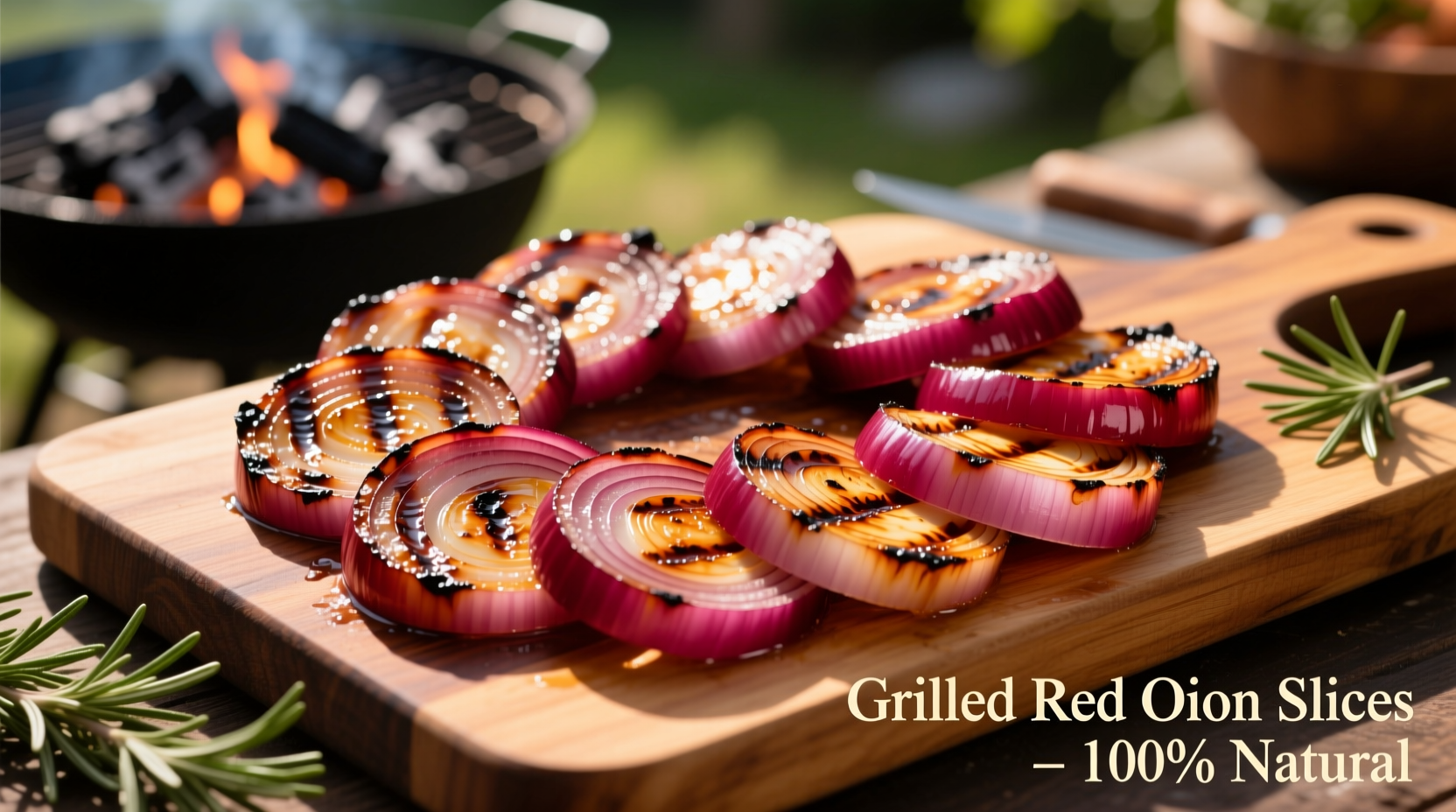 Grilled Onion Recipe: Simple Steps for Perfect Charred Slices

