First, we have angel hair (capellini). This stuff is the drama queen of the pasta world. It takes about 3 to 4 minutes, but if you blink, it turns into a gelatinous crime scene. One time I sneezed while boiling angel hair, and by the time I wiped my nose, it had become wallpaper paste. Treat it like a fragile celebrity—stay in the kitchen, watch it, and yank it out the second it goes al dente.
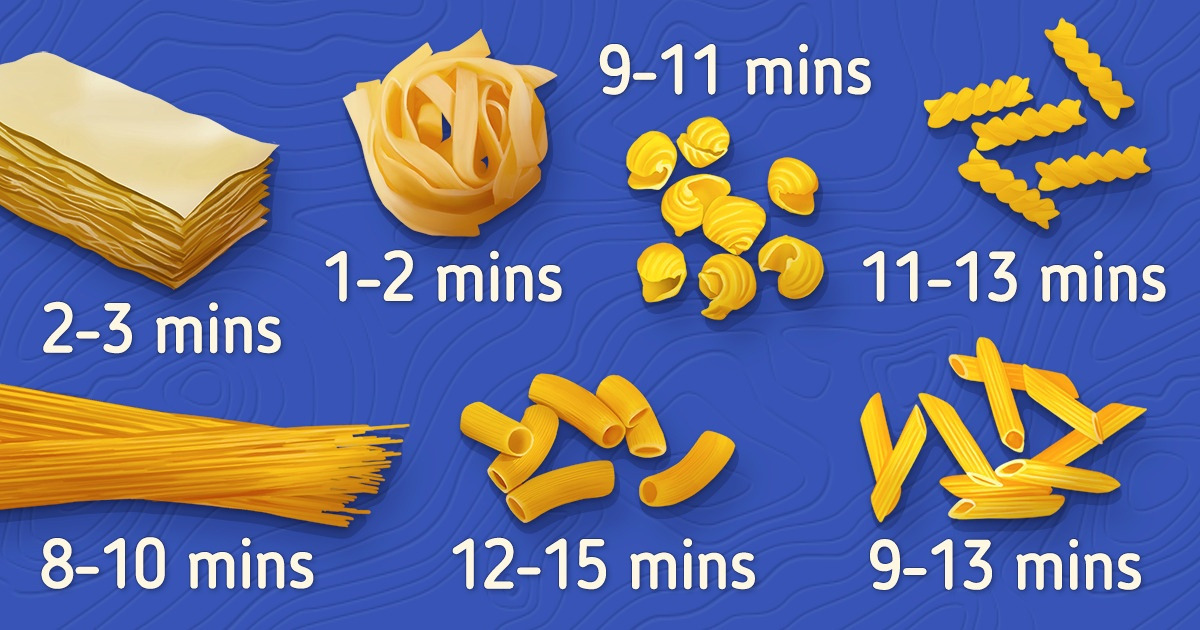
Next up: spaghetti, the workhorse of weeknight dinners. The standard time is 8 to 10 minutes, but here’s the trick: test it at minute 7. Spaghetti lies. It will look done, but then it gets that weird, mealy texture in the center. Pull one strand out, let it cool, and bite it. If your teeth feel resistance but no crunch, you’ve won. You are now a god of starch.
Then we have the chunky boys: penne, fusilli, and farfalle (the bow-tie ones that look like tiny tuxedos for mice). These need 10 to 12 minutes because they’re chunky and have corners. The corners are traps—they’ll stay hard while the rest of the noodle surrenders. Stir them every 3 minutes or they’ll glue themselves to the bottom of the pot, forming a carbonized pasta fossil that will haunt your scrubbing sponge.
Asian Noodles: The Wild Cards
Not all noodles are Italian, thank the cooking gods. Enter ramen, the Ph.D. of instant gratification. Fresh ramen takes 2 to 3 minutes, but dried instant ramen (the one in the foam cup) will overcook if you sneeze. Boil it for exactly 3 minutes, then kill the heat. Let it sit for 1 more minute while you fight with the seasoning packet. That little bit of residual heat is the difference between “slurpable” and “sad soup.”
 How to Cook Ramen Noodles: Timing, Method & Tips
Now, rice noodles (the ones in pad Thai) are sneaky bastards. You don’t really boil them—you soak them in hot water for 4 to 6 minutes. If you boil them like spaghetti, they disintegrate into a cloudy paste that tastes like regret and sawdust. Stop boiling rice noodles! I cannot stress this enough—your future takeout delivery driver will thank you.
The Surprising Science of “Doneness”
Here’s a wild fact: noodles continue to cook even after you drain them. That’s called “carryover cooking,” and it’s the reason your pasta ends up mush if you don’t shock it. For salads, rinse noodles in cold water to stop the madness. For saucy dishes, undercook by 1 to 2 minutes and let the sauce finish the job. Science! It’s like a magic trick, but you eat the magician.
Another shocker: the altitude matters. At sea level, water boils at 212°F. At 5,000 feet, it boils at 202°F, which means your noodles take longer to cook. If you live in Denver, your pasta is basically on a honeymoon in the mountains—add 2 extra minutes. Mount Everest climbers? Don’t even bother. Your noodles will be raw until the year 3000.
 How long to boil chinese noodles
The Golden Rule (Finally)
So, the definitive answer to “How long?” is this: Read the box, ignore the box, and use your teeth. The box is written by a corporation that wants you to buy more boxes. Your teeth are ancient, natural timers. For most dried pasta, 8 to 10 minutes is the sweet spot. For anything labeled “fresh,” subtract 3 to 4 minutes. For any noodle that looks like it might be made of glass (vermicelli, I’m looking at you), 3 minutes max or face the slime gods.
One last bit of wisdom: never trust a noodle that’s white and hard after 5 minutes. It’s plotting against you. I once “cooked” gluten-free rice noodles for 14 minutes, and they emerged as a single, solid rubber band. I could have replaced the car tire with them. Don’t be me.
In summary: watch your pot like it’s your unstable ex, salt the water like you’re seasoning a beef carpaccio, and taste test early. Noodles are simple, but they’re also sneaky, judgmental bits of starch that will humble you if you look away. Boil on, brave chef. Boil on.

