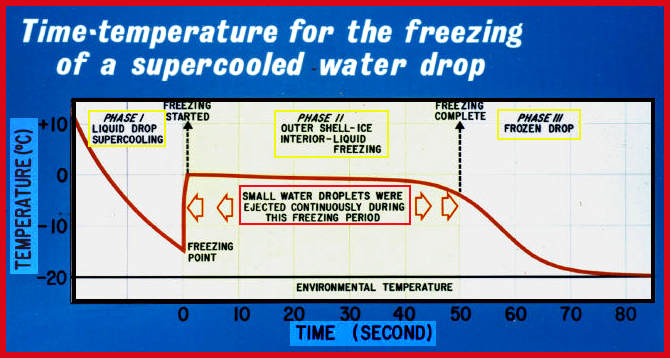
In a perfect lab, water freezes instantly at 32°F. But outside, you’ve got impurities—dust, salt, a stray leaf, or even a tiny bubble of air. These act like party guests that delay the freezing process. Pure water can sometimes chill all the way to -40°F before it actually freezes, a phenomenon called supercooling.
Remember that time you left a bottle of water in the car overnight? You came back, shook it, and it turned to slush instantly. That’s supercooling in action. The water was below 32°F, but it needed a jolt—a little shock—to organize into ice crystals.
Most of the time, though, your puddles freeze right around 32°F. That’s because real-world water has plenty of “nucleation sites”—dust, mud, and even bacteria—to help it get started.
Why Your Windshield Says “No Thanks”
Let’s talk about that frosty car window you scrape every winter morning. The air temperature might be 30°F, but your windshield is colder because it radiates heat into the night sky. Frost forms when water vapor in the air skips the liquid stage and turns directly into ice on a cold surface.
That’s why you can have ice on your car even if the thermometer says 33°F. The glass itself is the real star of the show. So, if your neighbor brags about “only 32 degrees,” just nod and scrape your ice off anyway.
And if it’s windy? Wind chill doesn’t lower the freezing point—it just makes you feel colder. Water doesn’t care about wind chill. It only cares about the actual air temperature and the surface it’s touching.