Next up: look at the surface. A little white dust or a powdery coating is not mold—it’s actually good. That’s called “good mold,” or penicillin, and it’s part of the curing process. It’s like the salami’s personal bodyguard.
Now, what you don’t want is fuzzy, green, blue, or black patches. That’s bad mold, and it means the salami has been compromised. Another visual cue: sliminess. If the cut end feels sticky or wet, that’s bacteria throwing a party. Bacteria are terrible party hosts.
Also, check the color. A fresh cut of salami is usually a deep, uniform red or burgundy. If you see grey, greenish, or brownish hues—especially near the edges—that’s oxidation gone too far. It’s not necessarily deadly, but the flavor will be flat and sad.
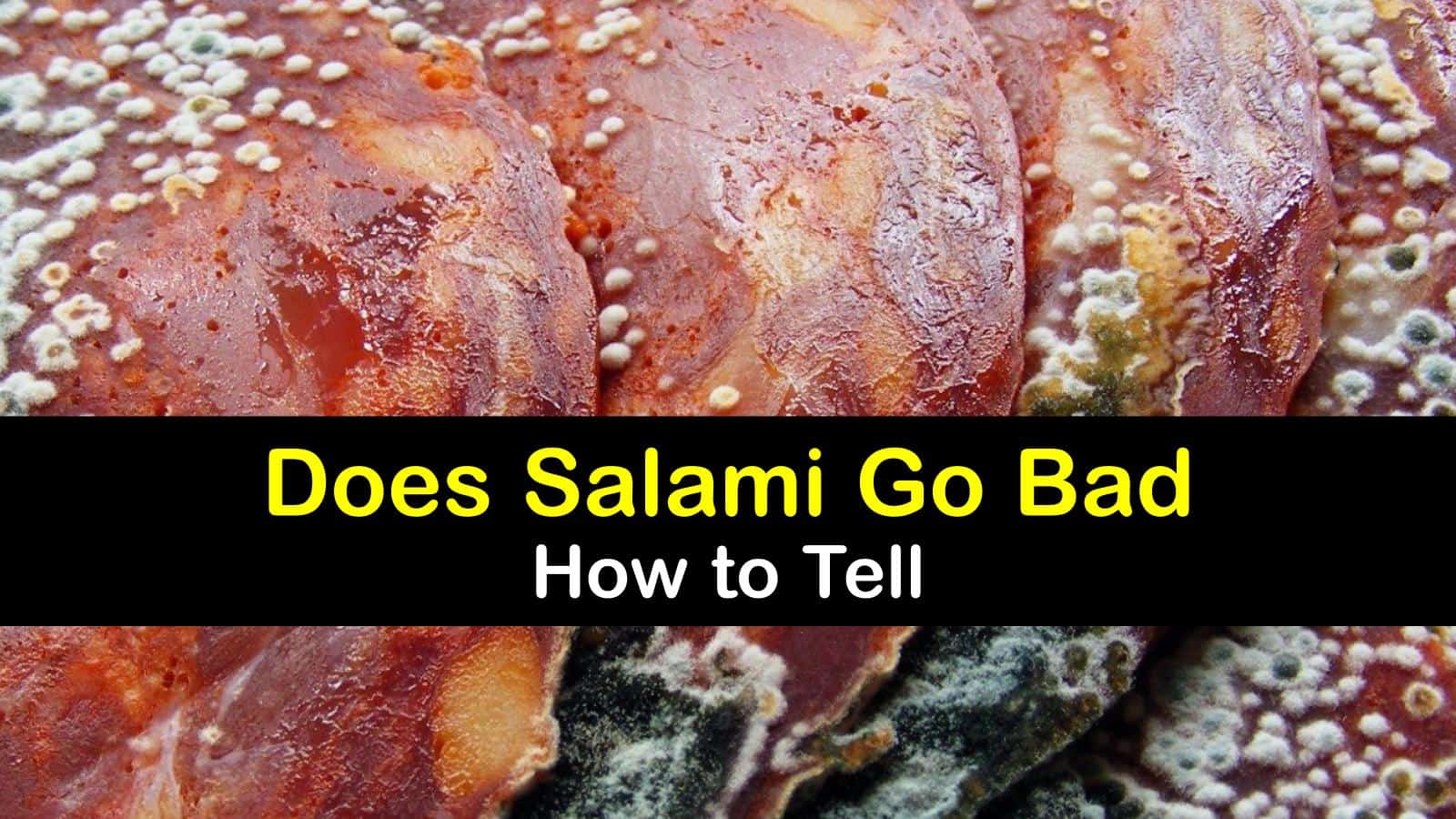 Does Salami Go Bad - How to Tell
The Texture Factor
Now, get tactile. Dry cured salami should be firm, even a little stiff. It should offer some resistance when you press it. If it feels mushy, spongy, or overly soft, that’s a problem. Mushy meat is bad meat.
And here’s the counter-intuitive part: a little hard ring around the edge is normal. That’s the “rind” from drying. But if the entire slice crumbles like chalk, it’s too old. Your teeth deserve better.