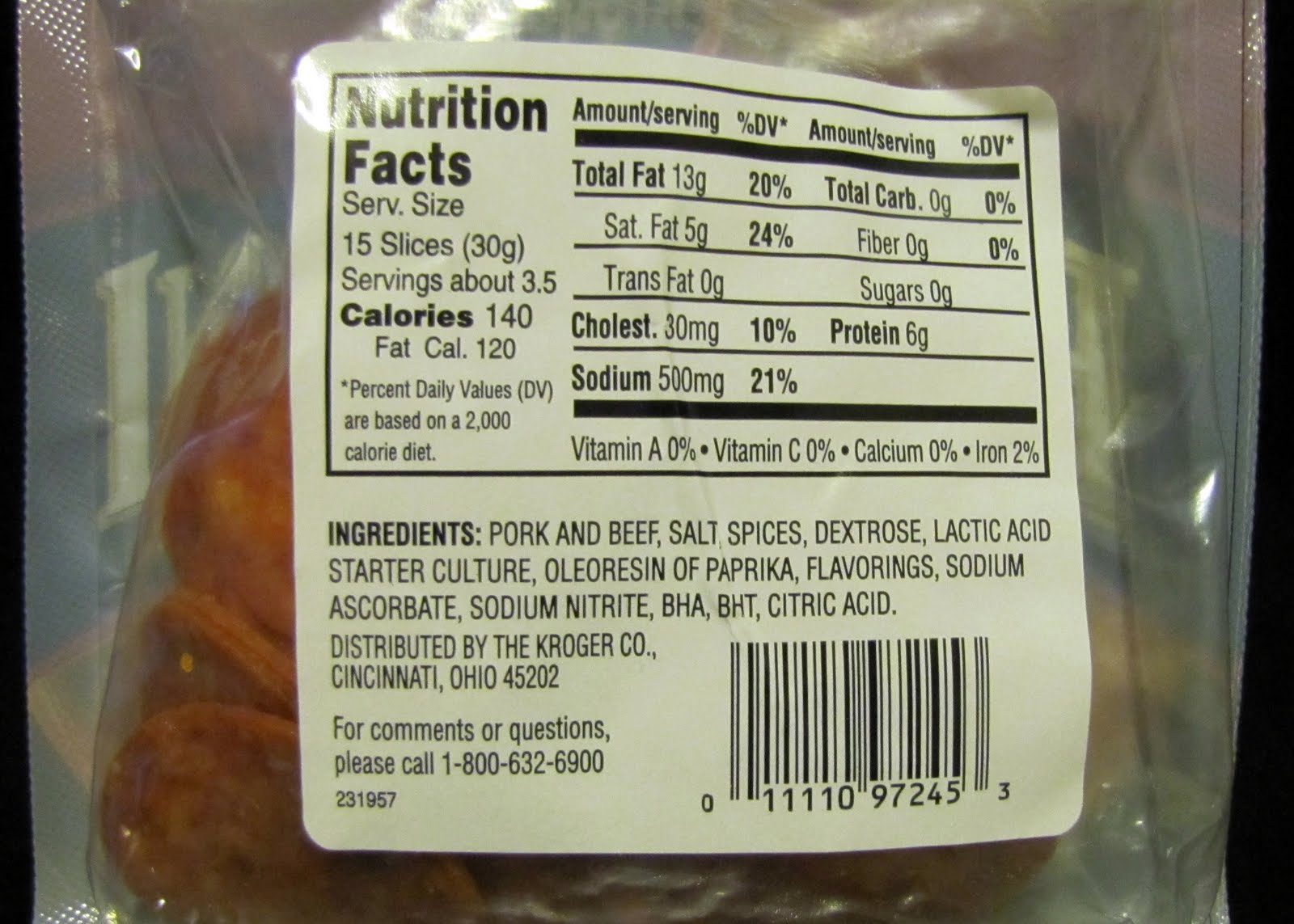
At its heart, pepperoni is a dry sausage, a close cousin to salami. The base is a blend of pork and beef, though some premium brands use just pork. The ratio is key: about 70% lean meat and 30% fat.
That fat isn’t a mistake—it’s the reason pepperoni gets crispy in the oven. The fat renders out, creating that little pool of oil that makes every bite deeply satisfying.
As for the salt, it’s more than just flavor. Salt is a preservative, drawing out moisture to stop bacteria from ruining your snack. A single ounce can pack nearly 500 milligrams of sodium—so maybe don’t eat the whole stick in one sitting.
The Spice Squad: Paprika, Chili, and Fennel
That signature red color? That’s paprika, often a mix of sweet and spicy varieties. It doesn’t just color the meat; it adds a subtle, smoky warmth that balances the fat.
Then comes the heat from cayenne pepper or crushed red pepper flakes. The spice level varies by brand—some are mild, others will make your nose run. Look for the Scoville rating on artisanal labels if you’re brave.
And here’s a fun little fact: fennel seeds are often in the mix. That slight licorice note is a classic Italian touch, though some producers use anise as a cheaper alternative. It’s the secret handshake of the pepperoni world.
The Preservatives: Sodium Nitrite and Nitrate
You’ll see sodium nitrite or potassium nitrate on the label, and don’t panic. These are curing agents that prevent botulism and give pepperoni its rosy, appetizing pink hue.
Without them, the meat would turn a sad, gray-brown. Think of nitrites as the makeup artist of the sausage world—keeping everything looking fresh and safe to eat.
Some brands now offer “uncured” pepperoni, using celery powder (which naturally contains nitrates). It sounds healthier, but the chemical result is nearly identical. Your body doesn’t know the difference.

