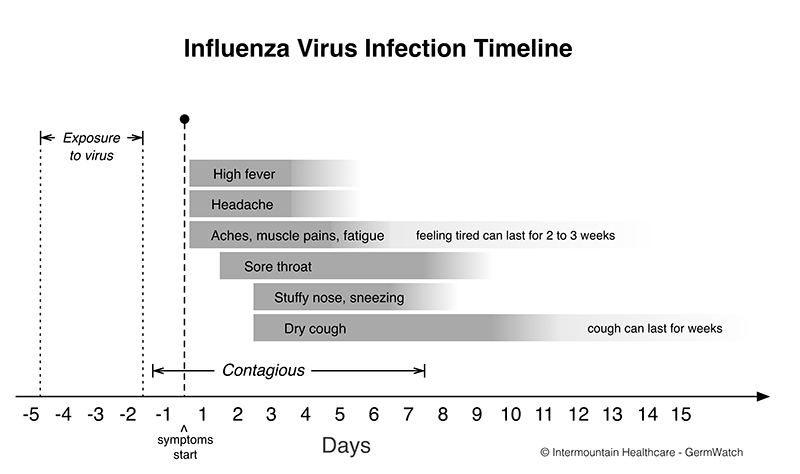
If you’ve been exposed: Sleep more than usual. Sleep is your immune system’s best friend. Skip the gym for 48 hours; exercise can actually suppress immunity during the incubation window. Eat protein-rich foods and stay away from alcohol.
Protect your household: Sanitize high-touch surfaces—doorknobs, remotes, phone screens. The virus can live on hard surfaces for 24 to 48 hours. A simple bleach wipe or alcohol spray will break its party.
Know the red flags: If your incubation period extends past four days without symptoms, you likely dodged the bullet. But if you develop sudden fever above 102°F with body aches, that’s your cue to stay home and contact a doctor for antiviral meds like Tamiflu—which works best within 48 hours of symptoms.
When to Test and When to Relax
Testing on day two or three after exposure gives the most accurate results. A negative test on day one can be a false sense of security. If you’re fever-free and feeling fine after day five, you can exhale—you probably didn’t catch it this time.
But here’s a twist: some people are asymptomatic carriers. You could be completely fine while shedding virus. That’s why public health advice to mask in crowds during outbreaks isn’t about you—it’s about protecting the vulnerable person next to you whose incubation period might be shorter.
In the end, the incubation period is nature’s dramatic pause. It’s the silence before the storm, or the quiet exhale after you realize you’re safe. It reminds us that our bodies are mysterious, surprising, and deeply connected to everyone else on the subway, in the office, or at the grocery store.

