First, let’s bust a myth: expiration dates are not legally required federal mandates for food safety (except for baby formula). They’re mostly manufacturer guesses for peak quality, not a switch from “safe” to “toxic.” Your loaf of bread doesn’t suddenly turn into a science experiment the second the clock strikes midnight.
Think of it like a party invitation. The date says “party at 8 PM,” but you can still show up at 8:15 and have a good time. Show up at 3 AM, though, and you’re cleaning up spilled dip. Same with bread: a day or two past? Probably fine. A month past? You’re entering science project territory.
How Long Does It Actually Last? The Moldy Truth
Here’s the real deal: properly stored, bread can last 5 to 7 days past the printed date if it’s sealed tight. Keep it in a cool, dry place—your pantry is perfect. The fridge? Don’t do it! Fridges make bread go stale faster because the cold air sucks out moisture. It’s like giving your bread a tiny desert vacation.
If you want it to last weeks, pop it in the freezer. Frozen bread can stay good for three to six months past its date. It’s like cryogenic sleep for carbs. When you’re ready, just toast it straight from the freezer. Boom: instant fresh-tasting bread.
How to Tell if Your Bread is Still Safe (Without a Lab Coat)
Your senses are your best friends here. Look for green, fuzzy patches—that’s mold. If you see one spot, don’t just cut it off. Mold has invisible roots that stretch way beyond what you see. Toss the whole loaf, friend. Your toast isn’t worth a sneeze fit.
Next, smell it. Does it smell like a sour, damp sock? That’s a bad sign. Fresh bread smells like a bakery, not a locker room. Finally, feel it: hard as a rock? That’s staleness, not spoilage. Stale bread is still safe—make croutons or breadcrumbs and live your best life.
When to Absolutely Say Goodbye
If you see any mold, throw it away. We’re not joking. Mold can produce mycotoxins that give you a stomachache or worse. Also, if it smells like alcohol or has a slimy texture, it’s past the point of no return. That’s the bread equivalent of a breakup—time to move on.
And please, for the love of all things toasted, don’t eat bread with black or pink mold. That’s not a fun tie-dye project. That’s a hazard. Your guts will send you a very angry text.
The Science of Staleness vs. Spoilage
Stale bread is safe, just dry. It happens when water molecules migrate from the inside to the crust. Spoilage is mold, which is living fungus. Think of staleness as a grumpy old man, and mold as a party of uninvited guests. You can handle grumpy, but you kick out the party.
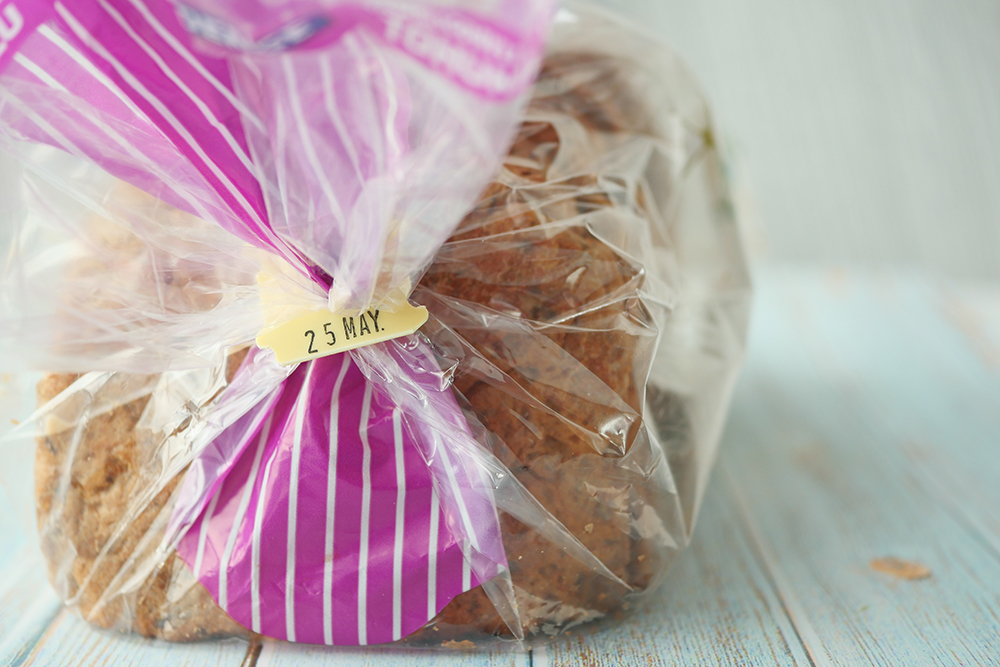 What do food expiration dates really mean? - Flourish
One trick: if your bread is stale but mold-free, sprinkle it with water and pop it in a 350°F oven for five minutes. The moisture revives it like a spa day. You’ll feel like a kitchen wizard.
What About Gluten-Free or Homemade Bread?
Gluten-free breads go bad faster because they have less preservatives. Give them 2 to 3 days past the date, max. Homemade bread is even more fragile—it lasts maybe a day or two past the bake date. That’s the price of being delicious and honest.
Store-bought white bread is the champion survivor. It’s packed with preservatives that would make a mummy jealous. Some loaves can last two weeks past the date if sealed tight. It’s the cockroach of the carb world.