How To Store Beets From The Garden
So you grew beets. Congratulations, you now have enough magenta orbs to feed a small, root-vegetable-loving army. The first thing you need to know is that storing beets is not...
So you grew beets. Congratulations, you now have enough magenta orbs to feed a small, root-vegetable-loving army. The first thing you need to know is that storing beets is not like storing potatoes. Potatoes are the lazy couch potatoes of the root world; beets are the high-maintenance, drama-queen cousins who need a little more attention. Ignore them, and they will turn into wrinkled, sad little raisins by next Tuesday.
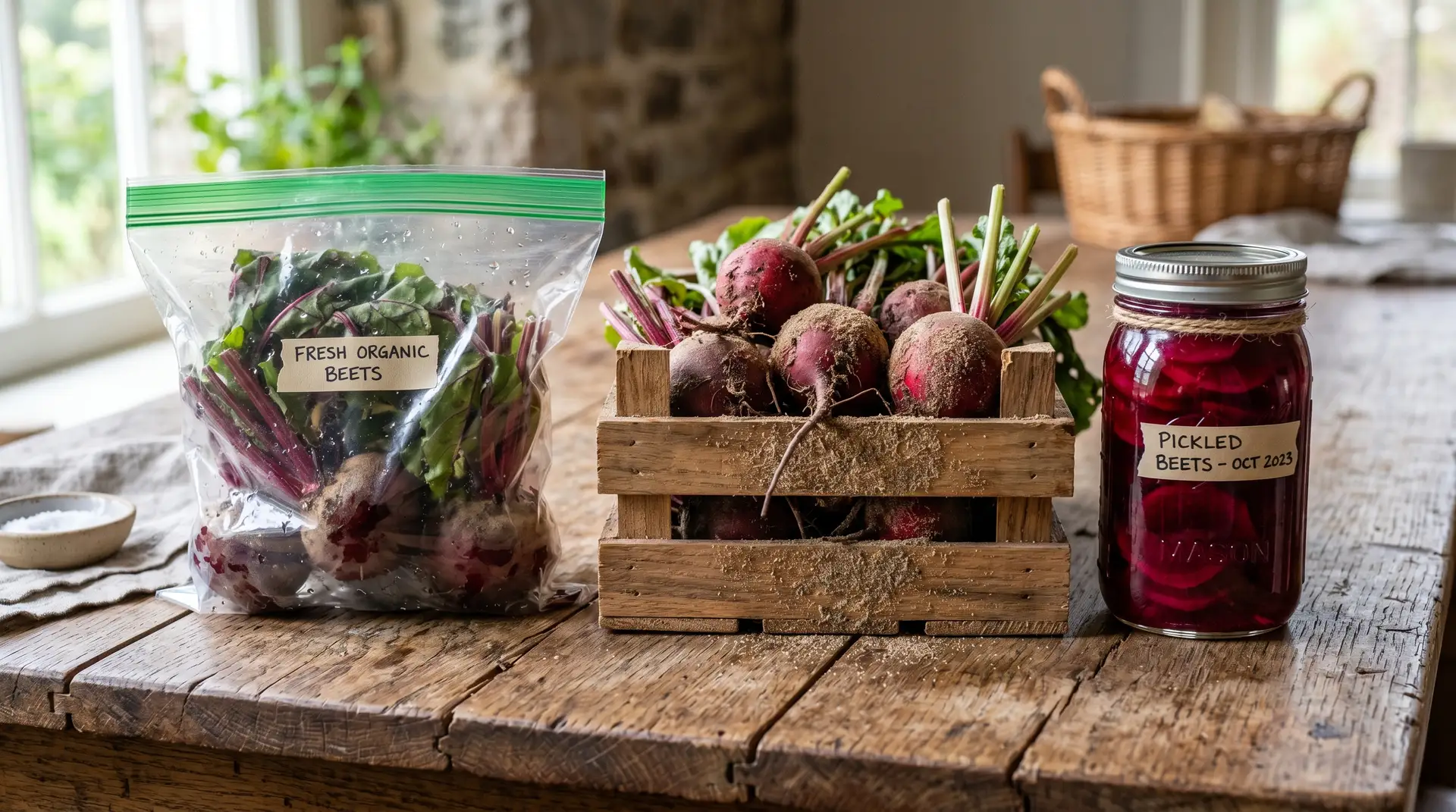
But don't panic. Storing beets is actually easy once you get the hang of it. You just need to remember one golden rule: cut off the greens. Think of the greens as thirsty vampires sucking the life out of the beet below. If you leave them attached, your beets will shrivel up faster than a beach towel in a desert. So grab a knife and give those leaves a haircut—leave about an inch of the stem sticking out like a little green mohawk.
Now, resist the urge to wash them. I know, you just pulled them out of the dirt, and they look like tiny, muddy space rocks. But trust me, wet beets are sad beets. Washing introduces moisture that invites rot, and nobody wants a slimy beet cuddle party in a bucket. Instead, just brush off the big clumps of soil with your hands. Think of it as a light dusting, not a bath.
You have a few options for your rooty treasures. My favorite method is the sandbox gambit. Yes, I’m suggesting you play with sand. Get a bucket, fill the bottom with clean, slightly damp sand (think: sandcastle consistency, not wet cement), then nestle your beets in so they don’t touch each other. Cover them with more sand, repeat the process, and then put a lid on it. It’s like tucking your beets into a cozy little subterranean bed where they’ll stay crisp for months.
If you don’t have sand, you can fake it. Use dry peat moss or shredded newspaper. The idea is the same: create a buffer that keeps humidity in but prevents rotting. No sand? No problem. You can also just put your beets in a perforated plastic bag in the crisper drawer of your fridge. They’ll last a few weeks there, which is like the VIP section for root vegetables. Just don’t forget about them behind that bag of wilting kale.
Here is where I share a personal, humiliating story. Last fall, I stored my beets in a bucket of sand in the garage. I was so proud. I checked on them in January, and they looked beautiful. I pulled one out, and it was so crisp, I could have used it as a hockey puck. I thought I was a genius. Then I found a shriveled old beet I had forgotten in the fridge behind a jar of pickles. It had become a tiny, leathery artifact. The sand bucket beets were laughing at him.
 How to Store Beets From the Garden? - GardenProfy
The trick is to keep them cold but not frozen. Your garage or basement needs to hover around 32°F to 40°F (0°C to 4°C). If it gets too cold, they turn to mush. Too warm, and they sprout like alien tentacles looking for the sun. A root cellar is ideal, but since most of us don’t live in a hobbit hole, a cold corner of the garage works fine. I’m talking about the spot where you keep your Christmas decorations—that forgotten, slightly spooky section of your house.
Do not store beets next to apples or pears! This is a real thing. Those fruits emit ethylene gas, which is like a secret signal that tells your beets to wake up and start growing. Next thing you know, your beet is a wrinkled mess with a sad little sprout. Keep fruit and roots in separate neighborhoods. Apples are the loud party neighbors; beets are the introverts who need quiet.
If you are a planner (unlike me, who lives in a state of chaotic optimism), you can also blanch and freeze your beets. Boil them until a fork slides in with minor resistance, shock them in ice water, then slip the skins off like little red pajamas. Chop them up, bag them, and toss them in the freezer. This is great for soups and lazy Sundays. You don’t have to thaw; just dump them in a pot of borscht and pretend you are a fancy Eastern European chef.
 How to Store Beets From The Garden: Your Ultimate Guide
Another pro tip: Don’t store small beets with big beets. The little ones dry out faster. It’s like putting a toddler in a room with a giant—the small one gets overwhelmed. Eat the small ones first, and save the big, chunky beets for long-term hibernation. You can also pickle the small ones. They become sweet, tangy gems that make salads look like fancy restaurant dishes.
Let’s talk about the elephant in the room: beet leaves. You cut them off, and now you have a giant pile of green goodness. Don’t throw them away! Those leaves are delicious sautéed with garlic and a splash of olive oil. They taste like a tougher, earthier version of spinach. Eat them immediately, like within a day. They won’t store for long, but that’s okay because you are a beet-saving champion, not a leaf-hoarder.
In the end, the best storage method is the one you will actually do. You don’t need a PhD in horticulture. You just need a bucket, some sand, and the common sense to cut off the tops. If you screw up, it’s fine. You’ll have a funny story about that one time your beets turned into little alien mummies. I’ve been there. I’ll bet you a buck that you’ll nail it next year. Now go give your beets a haircut and a sandcastle to sleep in.

