
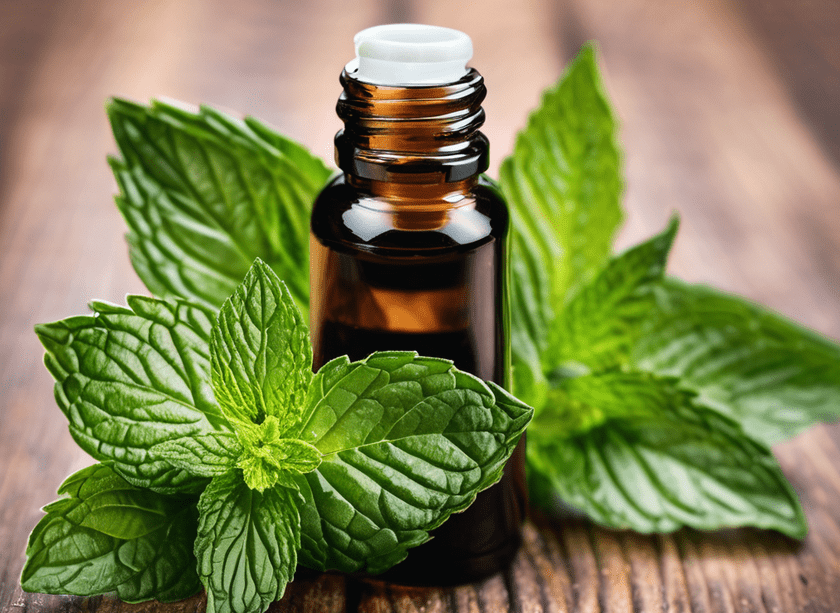
You might think, “Hey, I drink peppermint tea all the time and I’m fine!” Big difference: dose and strength. A cup of tea has a tiny amount of volatile oil compared to enteric-coated supplements. For mild, occasional reflux, sipping a weak tea after a meal might actually feel soothing—just don’t chug it.
But those enteric-coated peppermint oil capsules? Those are the heavy hitters, often used for IBS. They’re designed to pass through the stomach and dissolve in the intestines. If you have a weak LES, that oil can still bubble up and bite you. My advice? If you try capsules, do it under a doctor’s watch, not after a pizza binge at 2 AM.
 18 Foods That May Cause Heartburn(Acid Reflux)
The “But My Grandma Swears By It” Dilemma
I hear you. Grandma has been brewing peppermint tea since the Nixon administration, and she’s fine. But here’s the thing—Grandma probably doesn’t have chronic GERD. Your body chemistry is like a fingerprint, and what works for one person can be a nightmare for another. I tried it, and my esophagus staged a rebellion.
So, the honest answer? Peppermint oil is a gamble for acid reflux. It might soothe your stomach’s jitters while accidentally unlocking the acid gates. If you’re desperate, start with a super weak tea—one bag, steeped lightly—and see how you feel. But if you’re popping capsules, be ready for a potential firestorm.

