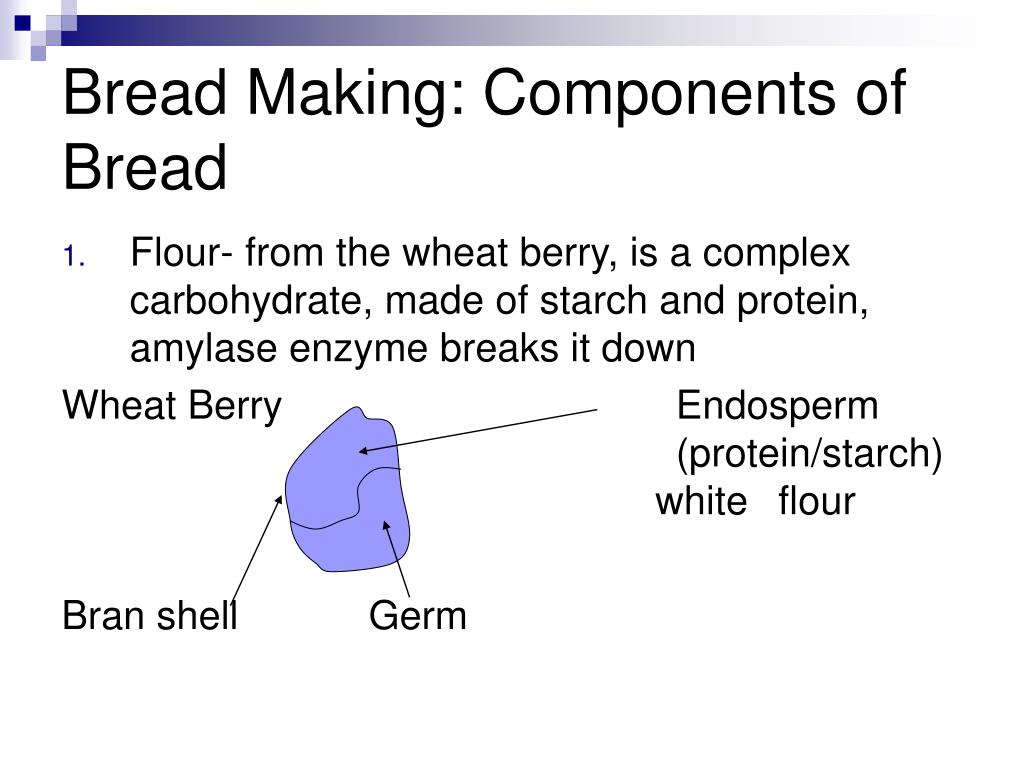
At the heart of every good loaf is flour, usually from wheat. Think of it as the foundation of a house—without it, your bread is just a sad pile of seeds. Flour gives bread its structure because of a magical protein duo called glutenin and gliadin. When mixed with water, they throw a tiny protein party and form gluten, the stretchy net that traps gas and makes bread rise.
Fun fact: if you overmix dough, those gluten strands get so tight they become a bicep—your bread might end up tough as a gym bro’s handshake. That’s why we knead with love, not rage. So, remember: gentle hands, happy bread.
Water: The Hydration Station
Water isn’t just for keeping you alive; it’s what wakes up that flour. It activates the gluten and dissolves the yeast’s food (sugar) so the whole fermentation show can start. Without water, your dough is just a dusty mess—like trying to wet your hair with a dry towel. Too much water, and you get a sticky goo that fights back when you try to shape it.
The perfect water-to-flour ratio is a baker’s secret handshake. Get it right, and your dough feels like a happy, squishy pillow. Get it wrong, and it’s more like a sad science experiment you don’t want to clean up.

